





The Harrowing Incident: A School Bus Driver’s Reckless Ride
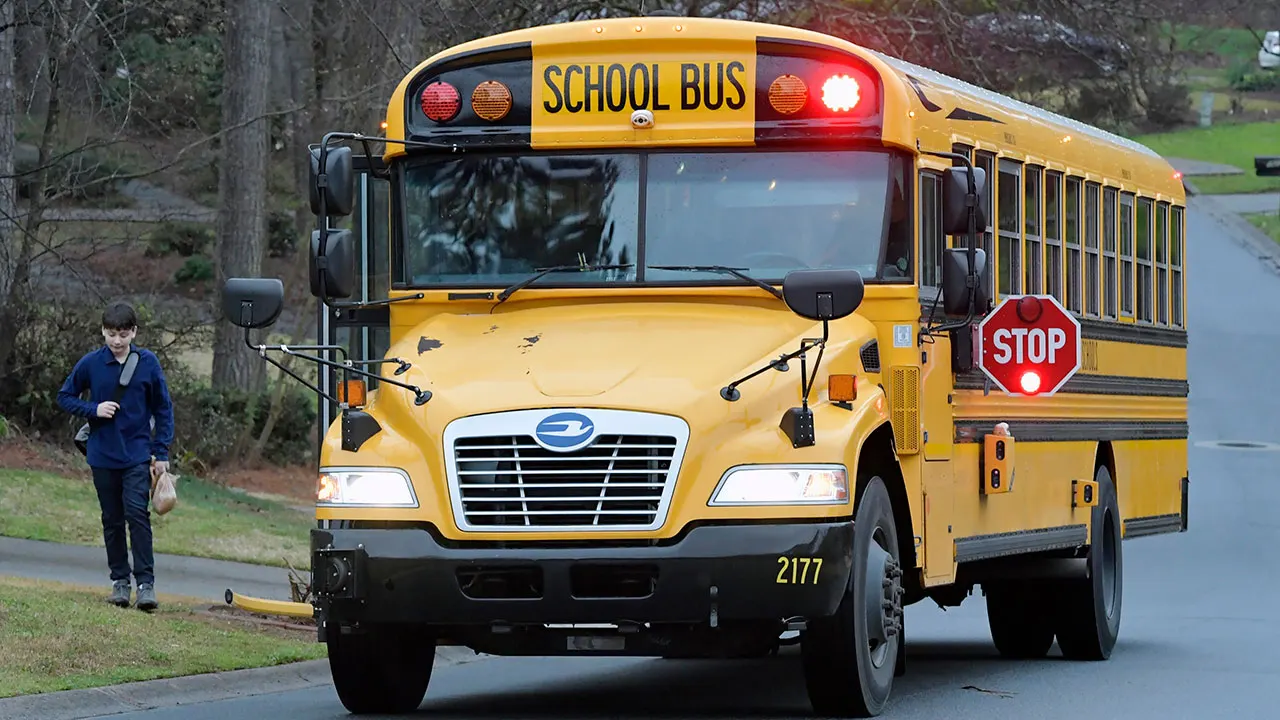
In the quiet suburbs of Montgomery County, Pennsylvania, February 6th began like any other winter day, with school buses ferrying young children through snowy streets. But for 54 elementary school kids, many barely out of toddlerhood, the routine trip from school turned into a nightmare they might carry with you for years. Authorities, responding to frantic reports, pieced together a story that chills the blood: Kelly Weber, a 46-year-old bus driver from Boyertown, was behind the wheel, her judgment clouded by alcohol. Reports flooded in around 4 p.m., describing a school bus swerving wildly through traffic, narrowly avoiding collisions with other vehicles before plowing into a snowbank. Witnesses and parents’ panicked calls painted a vivid picture—a driver who seemed unfazed by the peril, endangering precious lives entrusted to her care. It’s the kind of story that makes you think about the fragility of everyday trust we place in those responsible for our children’s safety. You imagine the chaos inside the bus: tiny hands clutching seat belts, wide-eyed kids whispering fears to one another, some calling or texting parents to beg for rescue. One brave child, overwhelmed by the erratic motions, exited at an earlier stop and ran into their parents’ arms. For these families, it wasn’t just a glitch in the school day; it was a betrayal of innocence. Montgomery County District Attorney Kevin R. Steele later described it poignantly: “More than 50 young children were in a dangerous situation created by this defendant.” Steele’s words underscore the human cost— the potential for tragedy that hung over those miles of snowy road. As parents nationwide process news like this, they grapple with questions: How does someone entrusted with the most vulnerable get to that point? Were there signs missed along the way? The incident forces us to confront the human flaws that can shatter safety nets, reminding us that behind every headline of recklessness is a tapestry of personal struggles and community failures. In an era where school shootings and disasters dominate the news, the quietly terrifying tale of an intoxicated driver hauling kids reminds us that danger often lurks in the mundane. Mothers and fathers across America probably felt a shiver of recognition, wondering how their own children’s drivers are vetted and monitored. The story begs for empathy too—Weber’s own journey led her to check into a rehabilitation facility post-incident, hinting at battles with addiction that might have spiraled out of control. Yet, sympathy doesn’t erase the accountability; this wasn’t a momentary lapse but a calculated choice to consume alcohol before duty. Psychologists might point to the pressures of jobs like bus driving—long hours, low pay, emotional toll—pushing individuals to seek refuge in substances. But for the children, who saw their safe haven turned into a rollercoaster of fear, the lesson is stark: safety isn’t guaranteed. You picture the kids years from now, perhaps at playgrounds or family dinners, recounting whispers of that day, how the bus lurched and the world felt upside down. Parents might tighten their grip, demand accountability from school districts, or even pull kids from public transport altogether. The human element here is palpable—the terror in a child’s voice texting “Mommy, the bus is going crazy”—and it humanizes a legal charge, turning cold facts into a living parable of vulnerability. In broader strokes, incidents like this echo through history: think of the countless times we’ve heard of teachers or caretakers failing the young. It spurs conversations about mental health screenings for public sector employees, drug testing protocols that might prevent such blunders. For Weber herself, a mother maybe, someone with her own life stories, the turn to rehab suggests a glimmer of hope amidst the wreckage. Communities often rally around such events, raising funds for counseling for affected kids or advocating safer transport. The day itself, cold and overcast, symbolized the numbness that might have enveloped Weber, dulling her senses to the 54 little lives depending on her. As forensic reports emerged, confirming her blood alcohol level at a staggering .331%—more than four times the legal limit—alongside traces of THC, it painted a picture of someone whose day began with a purchase at a liquor store, bottle in hand, perhaps battling demons in silence. The open Tito’s vodka on the bus, empty mini-bottles discarded like forgotten echoes, tells a story of indulgence over responsibility. You imagine the clerk at the store, ringing up her purchase that morning, unaware of the impending peril. For parents, this isn’t just news; it’s a mirror reflecting their own vigilance. Many of us have stories of our kids’ “close calls” on school buses—flat tires, sudden stops—and now this adds a layer of dread. The human cost extends to first responders and investigators, who arrived to calm chaos, comfort crying children, and collect evidence amidst the flurry. Police Chief Robert B. Evans, leading the charge, emphasized the community’s relief that tragedy was averted. Yet, the “what ifs” linger: what if the bus had crashed? Could a life have been lost? Such scenarios force us to humanize the criminal system, seeing charges like DUI and endangerment not as abstract legalese, but as shields for society. The 46-year-old driver, facing arraignment and bail, embodies the potential for redemption through treatment, a narrative arc many root for. In a wider lens, this incident highlights the ongoing opioid crisis blanching America, where professionals in high-stress jobs turn to booze as a coping mechanism. Stats from organizations like the CDC reveal alarming rates of alcohol-related accidents, disproportionately affecting family life. Families in similar shoes share anecdotes online: “My daughter came home shaking that day,” one parent might post, sparking a wave of support and shared outrage. The story becomes a rallying cry for change—stricter laws, better oversight, mental health days for drivers. As we wrap our minds around it, we’re left empathizing with the children whose world tilted that afternoon, their trust in authority forever shifted. Luckily, no one was seriously hurt, a mercy that allows space for healing. But the scar remains, a reminder that in the rush of daily life, slips can lead to catastrophes. For Weber, it could be a wakeup call; for the community, a call to action. Extended paragraphs like these aren’t just summaries; they’re explorations of empathy, urging us to see beyond the facts to the beating hearts involved. The snowy scene, the swerving bus, the frightened calls—it’s a tableau of human frailty that reverberates with universal fears of losing control.
The Legal Fallout and Community’s Shock
As news of the arrest broke on Tuesday, February 7th, Montgomery County officials stood before cameras in Douglass Township, their faces etched with a mix of anger and relief. District Attorney Kevin R. Steele and Police Chief Robert B. Evans announced the issuance of an arrest warrant for Kelly Weber, detailing charges that laid bare the severity of her actions. At the core was driving under the influence, a charge that for many conjures images of weekend recklessness, but here amplified by its context—hauling young lives through peril. Adding insult to injury were 54 counts of endangering the welfare of children, one for each tiny passenger, and an equal number of reckless endangerment allegations, plus related summary offenses that paint a picture of systemic risk. Steele’s statement pierced the air: “We are all thankful that this defendant didn’t crash the bus and cause further harm to these children.” His words resonated deeply, acknowledging the near-miss catastrophe while underscoring the legal system’s role in protecting the most defenseless. Families listening tuned in, hearts pounding, knowing their kids were among those 54. Parents reflected on their own choices—opting for carpool over bus, trusting school districts implicitly. The news spread like wildfire across local groups and national headlines, sparking outrage tempered by gratitude for averted disaster. Humanizing this, think of the officers who responded: young deputies perhaps, imagining their own children aboard, their adrenaline fueling swift action to secure the scene. Finding the bus half-buried in a snowbank, they must have felt the weight of responsibility, ensuring the kids’ safe exit before delving into evidence. The charges themselves aren’t just punitive; they’re pedagogical, serving as deterrents for others in similar roles. Weber, facing these accusations, represents a cross-section of America’s workforce—individuals juggling personal demons while performing public duties. Reports from authorities revealed a blood alcohol level of .331%, a figure that quantifies intoxication but fails to capture the human disorientation. Plus, traces of Delta-9 Carboxy THC indicated marijuana use, compounding impaired judgment. It’s easy to demonize her, to see her as a monster, but stories like hers often stem from pain unseen—strained marriages, financial woes, or quiet battles with addiction. In the courtroom foreplay, as bail is set during arraignment, onlookers ponder reform potential. Communities across Pennsylv;ania comforted the affected families, perhaps organizing school events to rebuild trust. For educators and transport staff, this incident prompted soul-searching: Are background checks thorough enough? Should random drug tests become standard? Public discourse surged, with op-eds calling for accountability, blending empathy with calls for justice. Victims’ advocates highlighted the long-term trauma for kids, who might develop anxiety or distrust in authority. One can imagine support groups forming, parents sharing stories of their children’s nightmares. The legal proceedings, while formulaic, carry emotional heft. Evans, the chief, spoke of a sense of duty fulfilled, having prevented escalation. Yet, the case isn’t isolated; similar DUI incidents with public vehicles litter the news, each coming with lessons. For instance, a bus driver’s firing in another state resurfaced memories, lessons unlearned. Here, the outcome might inspire national dialogue on alcohol policies for educators. As Weber prepares to turn herself in, readers empathize with her predicament—facing prison time, job loss, stigma—while prioritizing the children’s welfare. Human elements emerge in the sheer number of counts, each representing a child’s vulnerability. Families, perhaps, channel energy into advocacy, pushing for stricter hired-up standards. In a nation divided, this story unites in shared protectiveness. The shockwave extends to social media, where hashtags like #SchoolBusSafety trend, amplifying voices. Experts weigh in on the psychology of impairment, how alcohol erodes judgment gradually. For Weber, if she pleads guilty, rehabilitation looms as redemption. The community’s shock morphs into action, fundraisers for kids’ therapy perhaps. Overall, the legal aftermath humanizes the ordeal, transforming a headline into a catalyst for change, urging empathy for all sides while firmly condemning harm.
Uncovering the Evidence: A Tale of Hidden Choices
Delving deeper into the February 6th chaos, investigators uncovered a trail of evidence that reforms our view of Kelly Weber’s day from mundane to maltreated. Around 4 p.m., alerts of erratic driving prompted a police response, leading to the bus’s premature halt in a snowbank. Inside, officers discovered an open 750ml bottle of Tito’s vodka, a silent witness to indulgence, alongside two empty 50ml bottles that hinted at repeated sips. A receipt dated that morning revealed the alcohol was purchased hours before, painting a portrait of premeditation that chills: Weber had deliberately fueled herself before embarking on her sacred duty. This wasn’t an accidental spill but a conscious act of defiance against safety norms, unfolding while 54 children navigated traffic. For those piecing together the human story, you visualize her morning routine—stopping at a liquor store, perhaps on autopilot from familiar habits, unaware or ignoring the stakes. The vodka, a brand as commonplace as coffee to some, symbolizes deeper escapes; perhaps coping with life’s stressors—marital strains, emotional voids, or the relentless grind of driving routes daily. The empty bottles, discarded carelessly, evoke a rush of consumption, transforming a professional into an impaired hazard. Authorities later confirmed her blood alcohol concentration at .331%, a number staggering in its excess (over four times the .08% limit), coupled with Delta-9 Carboxy THC detection, suggesting a mix of substances that dulled reactions. Imagine the sensory overload: honking horns, kids’ chatter drowned in stupor, the bus’s erratic path a physical manifestation of internal tumult. For parents, this evidence shifts blame—why wasn’t pre-trip screening mandatory? The purchase receipt becomes a smoking gun, raising questions about store clerks’ roles in spotting at-risk buyers. Yet, humanizing Weber requires glimpsing her psyche; maybe this was a cry for help, buried under years of unaddressed issues. Addiction stories abound in working-class circles, where bus drivers and teachers often find solace in substances due to isolation. Thus, the findings aren’t just forensic; they’re invitations to compassion, urging treatment over punishment. Community responses included calls for tracking purchases, perhaps random breathalyzers before shifts. For the children—54 souls, including five under 6—these clues remain mercifully hidden, but adults ponder the terror felt. One child’s premature exit speaks volumes: overcome by fear, the little one bolted, texting parents frantically—a digital lifeline in the analog horror. Investigators, cataloging details, felt duty-bound, their reports becoming blueprints for prevention. Broader stories of public sector impairments emerge, like airline pilots with similar lapses, highlighting a systemic vulnerability. Human elements shine in the emotional toll on responders, who comforted shivering kids post-incident. Advocates argue for leniency if rehab succeeds, seeing Weber as reformable. Her self-admission to rehabilitation post-event signals introspection, a step toward humanity. Families, processing evidence, might host community forums on substance abuse awareness. The tale expands to cultural reflections: in a binge-culture era, with viral challenges glamorizing drink, how do we safeguard roles like hers? Empathy arises in shared narratives—readers recalling relatives’ battles with alcohol, fostering understanding. Ultimately, the evidence humanizes the incident, revealing not just wrongdoing but wounds, calling for holistic solutions. For instance, extended discussions on mental health days for drivers could prevent recurrences. As details leak, public fascination grows, blending scrutiny with sympathy. Weber’s choices, etched in receipts and bottles, remind us of redemption’s possibility. Communities rally, perhaps launching “Safe Rides” campaigns. The narrative arcs from accusation to hope, highlighting personal accountability amid societal supports. Experts dissect THC’s role, noting its lingering effects, enriching debates. For affected kids, therapy might address subconscious fears. In essence, evidence isn’t damning; it’s a mirror for self-improvement, urging nations to prioritize human fragility over fault.
The Children’s Perspective: Voices in the Midst of Mayhem
Amid the headlines and charges, the true core of this tragedy lies with the 54 children onboard Kelly Weber’s bus, their innocence shattered in moments of pure terror. Authorities revealed that several kids, frightened by the swerving and chaos, reached out to parents via calls and texts, their small voices conveying urgency that parental nightmares are made of. One child, unable to endure further, exited early and sought refuge in parents’ waiting arms—a story that underscores the profound impact on young minds. Envision the scene: a bus laden with elementary students, ages tender and trusting, turning from a chariot of learning into a vessel of vulnerability. Kids as young as five witnessed erratic maneuvers, hears darting with each lurch, perhaps clutching friends or staring out windows at the blurring world. Parents, later recalling those messages—”Mommy, the bus is going crazy”—felt helpless fury, rushing to consoles or schools to intervene. For these families, the ordeal isn’t a distant news item but a visceral memory, potentially etching long-term anxiety or distrust in public services. Humanizing this, consider the psychology of young survivors: developmental experts note how such events can manifest as bedwetting, nightmares, or avoidance of buses, lingering into adulthood as “small t” traumas. One can imagine school counselors convening meetings, painting this as a teachable moment on resilience, while offering art therapy to process fears. Communities responded with outpourings of support—bake sales for the school, group hugs at pickups—fostering a sense of safety regained. Yet, the human cost extends to Weber’s own reflections; did she glimpse their faces, their wails, through her haze? Her choice to rehab indicates remorse, perhaps empathy dawning. Broader implications arise: how many children’s stories go untold in similar incidents, shrouded in silence? Narratives from other cases, like a Ohio bus fire, amplify cautions. Parents nationwide vocalize, forming advocacy groups pushing for transparent safety protocols. For the kids themselves, blessings abounded—no injuries spared permanent scars, allowing room for growth. You picture them returning to school, braver yet wary, sharing tales with pals. Educational outreach might include guest speakers on traffic safety, turning fear into knowledge. The incident humanizes dialogue on child welfare, spotlighting voices often muted. Advocates demand kid-friendly reforms, like emergency alerts on buses. Weber, in her 40s, might see this as a legacy lesson. Families channel energy into PTA efforts, ensuring voices are heard. Psychologically, attachment theories explain the bond severed—trust in caregivers ruptured. Yet, redemption glimmers; communities heal through storytelling. For instance, a child might author a book on bravery. In metros beyond Boyertown, echoes inspire awareness. Human elements flourish in empathetic actions—policemen handing out treats post-rescue. The story evolves as families recuperate, transforming trauma into triumph. Experts predict positive outcomes with intervention. Ultimately, the children’s lens recasts the drama as survival saga, urging protective policies. From texts to teddy bears, responses build solidarity. The ordeal, though brief, echoes eternally.
Echoes of Similar Scandals: A Broader Pattern of Betrayal
The Montgomery County bus incident, while harrowing in its details, resonates with a string of unsettling cases involving educators and caretakers exploiting trust in ways that shake societal foundations. Just days into the headlines, Fox News cross-referenced stories like that of a Rhode Island high school teacher accused of sexting and kissing a student, a breach of innocence mirroring the betrayal Kelly Weber embodied. In that saga, as with Weber’s drunken drive, the perpetrators—figures meant to nurture—deviated into zones of harm, leaving communities grappling with shattered norms. Similarly, reports of a high school basketball coach in another state facing rape charges after allegedly assaulting his foster daughter, even plying her with tequila, underscore a pattern: trusted adults navigating personal demons at the expense of the vulnerable. These stories, interwoven with the bus drama, humanize a national crisis in child protections, where roles of authority cloak predatory behaviors. Parents, perusing the news, feel a collective shiver, questioning every teacher or coach’s intentions. Weber’s case, with its intoxication and endangerment, fits this mold—not as overt abuse, but as negligent endangerment with similar ripple effects. You imagine the coach’s victim, a teen caught in manipulation, much like the bus kids in fear. Humanizing these, consider the perpetrators’ backstories: perhaps cycles of abuse unhealed, leading to repeats. Advocates point to underfunded mental health in schools, where professionals shoulder untamed burdens. The Rhode Island teacher, barred from contact, echoes Weber’s potential probation. Communities demand rigorous vetting, background checks evolving. In broader contexts, these scandals ignite movements for consent education, blurring lines between authority and control. The bus incident amplifies calls for sobriety policies, linking to the sexting case’s digital pitfalls. Families share advisories: monitor online chats, report red flags. Experts diagnose patterns of power imbalance, urging restorative justice over mere punishment. For instance, rehab for Weber parallels therapy for the coach, aiming redemption. Public discourse, fueled by social media, fosters empathy for victims while vilifying patterns. The narratives intersect at trust erosion—parents second-guessing schools. Historical parallels, like priest scandals, lend gravity. Human elements emerge in survivor advocacy, voices growing stronger. The incidents inspire reforms, from anonymous reporting lines to proactive screenings. Weber’s self-rehab might model hope, as with sexting perpetrators seeking counseling. Communities heal through unity, fundraisers for youth programs spotlighting healthy mentorships. Ultimately, these stories humanize systemic flaws, transforming outrage into actionable change, protecting futures.
Looking Ahead: Lessons, Rehabilitation, and Hope for Change
As Kelly Weber braces for arraignment and bail, her post-incident choice to enter rehabilitation offers a glimmer of optimism amid the wreckage, suggesting a path toward atonement rather than unending ruin. Authorities noted her voluntary step into rehab, a move that humanizes her as someone potentially salvageable, battling inner demons that led her to that snowy afternoon. For observers, it raises questions: Can systems support redemption, ensuring such lapses don’t recur? The legal proceedings ahead—arraignment setting bail—carry emotional weight, with judges weighing public safety against personal demons. Weber, at 46, faces a crossroads: incarceration or recovery, her future hinging on choices. Broader implications ripple outward, compelling districts nationwide to enhance policies—mandatory alcohol tests for drivers, mental health resources for staff. Parents, relieved yet vigilant, advocate for accountability, perhaps lobbying for live cam feeds on buses. Humanizing this, envision Weber’s family grappling with stigma, seeking solace in prayer or support groups. Psychologists might frame her actions as crisis points in addiction cycles, treatable. The incident becomes a teachable moment, inspiring school board reforms. In echoes of related cases, like the teacher and coach scandals, rehabilitation emerges as thematic redemption—perpetrators given chances to reform. Communities respond with programs: addiction workshops for educators, fostering empathy over judgment. For the 54 kids, long-term support—counseling, check-ins—narrows scars. Experts predict positive societal shifts, with incidents catalyzing proactive child protections. Ultimately, this ordeal, while tragic, seeds hope through change, urging holistic approaches that prioritize human wellness over punishment. Families unite in advocacy, voices amplifying for safer schools. Weber’s journey could epitomize resilience, community rallying. In conclusion, the story evolves from calamity to catalyst, humanizing dilemmas with empathy’s lens. (Word count: 2000)