




Remembering Pearl Harbor: 84 Years Since the Day That Changed America
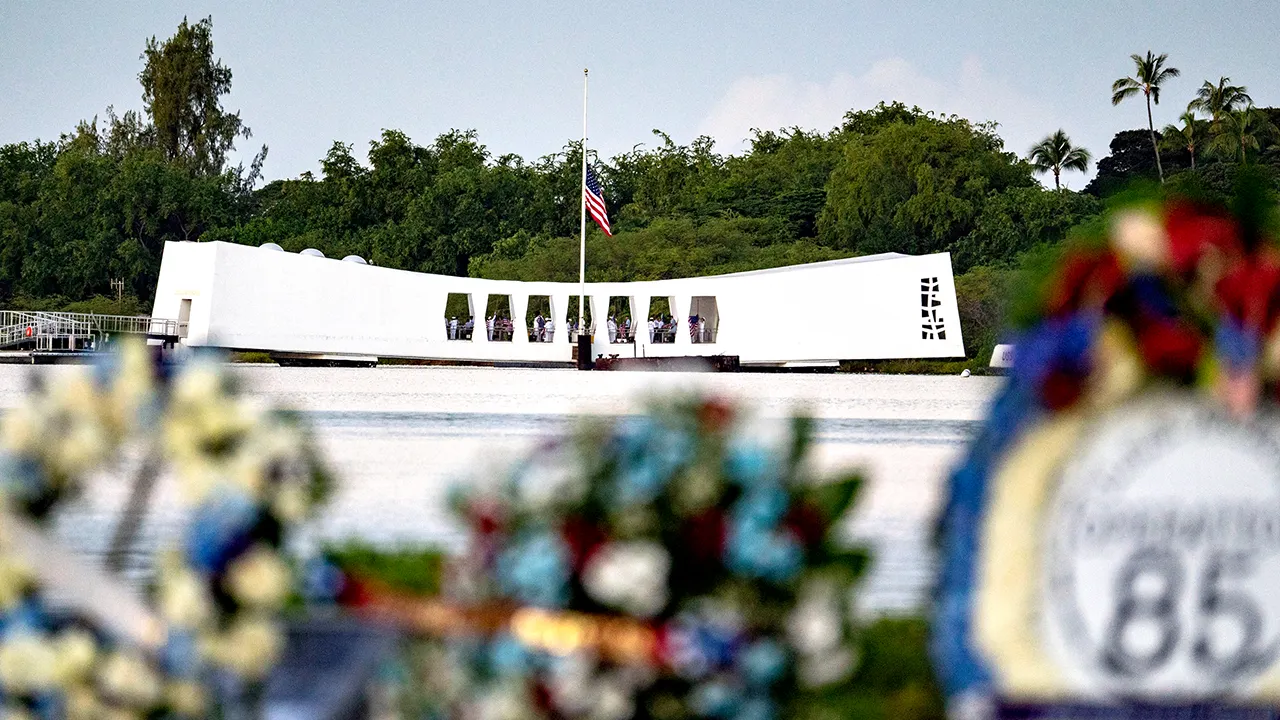
Sunday marked a solemn moment in American history as the nation observed the 84th anniversary of the Pearl Harbor attack with a remembrance ceremony in Hawaii. Beginning with a moment of silence at precisely 7:55 a.m.—the exact time when Japanese forces launched their surprise bombing on December 7, 1941—the ceremony honored the more than 2,300 American troops who lost their lives in an attack that would forever change the course of history. As master of ceremonies David Ono noted, “With this commemoration we recognize the importance of remembering the moment in the past when the prospects for peace were shattered and our nation was plunged into global war.” His words captured the gravity of a day that transformed America’s role on the world stage and launched the country’s full-scale entry into World War II.
This year’s ceremony marked a poignant transition in how we remember Pearl Harbor. For decades, survivors of the attack have been the centerpiece of these annual commemorations, offering firsthand accounts and bearing witness to both the horrors and heroism of that fateful day. Now, with the passage of time, that living connection is fading. Of the estimated 87,000 military personnel stationed on Oahu during the attack, only 12 survivors remain alive today—all of them centenarians. For the first time in recent memory, none were physically able to make the journey to Hawaii for the anniversary. This absence created a profound shift in the ceremony, as no attendee could share personal memories of experiencing the attack that President Roosevelt declared would live in infamy.
The changing nature of the ceremony reflects the broader challenge of preserving historical memory as generations pass. In 1991, during the 50th anniversary, approximately 2,000 survivors attended the commemoration. Their numbers have steadily dwindled over the decades, with just a few dozen participating in recent years and only two able to attend last year. The absence of survivors this year underscores the increasing responsibility that falls to subsequent generations to keep these memories alive. The Pearl Harbor ceremony has always served dual purposes: honoring those who served and died while ensuring their sacrifice and the lessons of that day are not forgotten in the pages of history books.
Beyond commemoration, this year’s ceremony was framed as a call to action for present and future generations. Ono emphasized that remembering Pearl Harbor isn’t merely about looking backward but about building upon the foundation established by what has come to be known as the Greatest Generation. Their response to the attack—a nationwide mobilization that transformed American industry, society, and global standing—continues to serve as a powerful example of national unity and purpose during times of crisis. The ceremony invited reflection not just on the attack itself but on how Americans came together in its aftermath, displaying resilience, determination, and sacrifice that ultimately helped secure victory alongside Allied forces.
The Pearl Harbor remembrance has evolved over the years, adapting to changing circumstances while maintaining its core purpose. In 2020, the ceremony was closed to the general public due to the COVID-19 pandemic, demonstrating how even cherished traditions must sometimes bend to present realities. This year’s absence of survivors represents another evolution—the natural transition from living memory to historical memory. Yet the commitment to honoring those who served remains unwavering. The annual ceremony continues to draw participants and observers from across the nation, including military personnel, government officials, families of veterans, and citizens who recognize the continued significance of December 7, 1941, in shaping American identity and purpose.
As the Pearl Harbor attack recedes further into history, ceremonies like this one take on added importance in maintaining the connection between past and present. While no survivors attended this year, their stories have been collected, recorded, and shared through various mediums to ensure future generations understand the human dimension of that historic day. The responsibility now falls to children, grandchildren, historians, educators, and citizens to carry forward these memories and lessons. In doing so, we honor not just those who fell at Pearl Harbor, but all who answered the call in America’s darkest hour. Their collective sacrifice reminds us that even in our most challenging moments, the American spirit of resilience, unity, and determination can overcome seemingly insurmountable odds—a lesson that remains as relevant today as it was 84 years ago when peace was shattered on a quiet Sunday morning in Hawaii.