


In the heart of Louisiana, where the swamps whisper secrets and the bayou waters hide centuries of history, a relentless shadow has loomed over communities for far too long. Violent gangs and drug peddlers have terrorized neighborhoods, peddling death in the form of fentanyl-laced poisons and wielding firearms that turn quiet streets into battlegrounds. For families clutching their children tighter at night, the fear is palpable—a mother wondering if her son will return home from school unscathed, or a father losing sleep over the danger lurking just blocks away. But in this sprawling state, often dubbed the Bayou State for its lush, mysterious landscape, a coalition of heroes in blue and badges has stepped forward with unwavering resolve. Federal, state, and local law enforcement agencies launched a multi-month crackdown starting in October, a tireless campaign that culminated in 742 arrests across the region. It’s a story not just of statistics, but of restored hope, where the grip of crime is loosening, and real people—cops with families of their own, neighbors reclaiming their streets—work together to weave back the fabric of safe communities. This isn’t just about headlines; it’s about the human toll of addiction, the heartbreak of overdoses that claim young lives, and the courageous efforts to stem the tide. Imagine the adrenaline-fueled raids at dawn, flashlights piercing the dark as officers kick down doors on drug dens disguised as ordinary homes. Or the quiet warnings from community tip lines, people risking their safety to point out hidden labs where fentanyl is cooked into a deadly stew. These operations aren’t faceless; they’re driven by dedicated individuals like FBI agents who eat, sleep, and breathe the fight, their own loved ones echoing the longing for a safer world. As the operation unfolded, the seizures told a grim tale: 176 firearms wrested from the streets, including handguns stashed in closets and rifles buried in backyards, each one a potential instrument of chaos. Vast quantities of drugs flooded the evidence rooms—pounds of fentanyl that could have killed countless victims, cocaine bricks smuggled from distant cartels, and marijuana bales reeking of danger. Cash flows from illegal dealings, totaling over $250,000, were seized, money that might have funded more violence or bought silence in corrupt networks. In homes torn apart by addiction, families witnessed their loved ones spiral into despair, overdosing on substances peddled by ruthless dealers who care nothing for the lives they ruin. Parents like Maria, a single mom in Baton Rouge, shared stories of losing her teenage son to an opioid-laced pill bought from a corner dealer, a preventable tragedy that fuels the community’s cry for justice. Officers, too, carry the weight of these encounters—the teary eyes of a child found in a meth lab, or the hardened faces of arrested gang members who started as misguided youth themselves. This crackdown didn’t just capture weapons and drugs; it dismantled supply chains that stretch across borders, targeting the financiers and leaders who orchestrate the misery from afar. It’s a reminder that behind every arrest lies a potential life saved, a family reunited. The operation’s success rippled through metros like New Orleans, where the vibrant culture clashes with the grim underbelly of crime, and rural parishes where isolation makes law enforcement heroes even more vital. People in these areas, many of them working-class folks scraping by, felt a collective exhale as armed patrols replaced the constant hum of fear. Yet, it’s not without risk—officers face bullets and ambushes, their own families praying for their return. Stories abound of partners watching each other’s backs in shootouts, or community volunteers aiding with intelligence, turning neighbors into allies in this war on drugs.
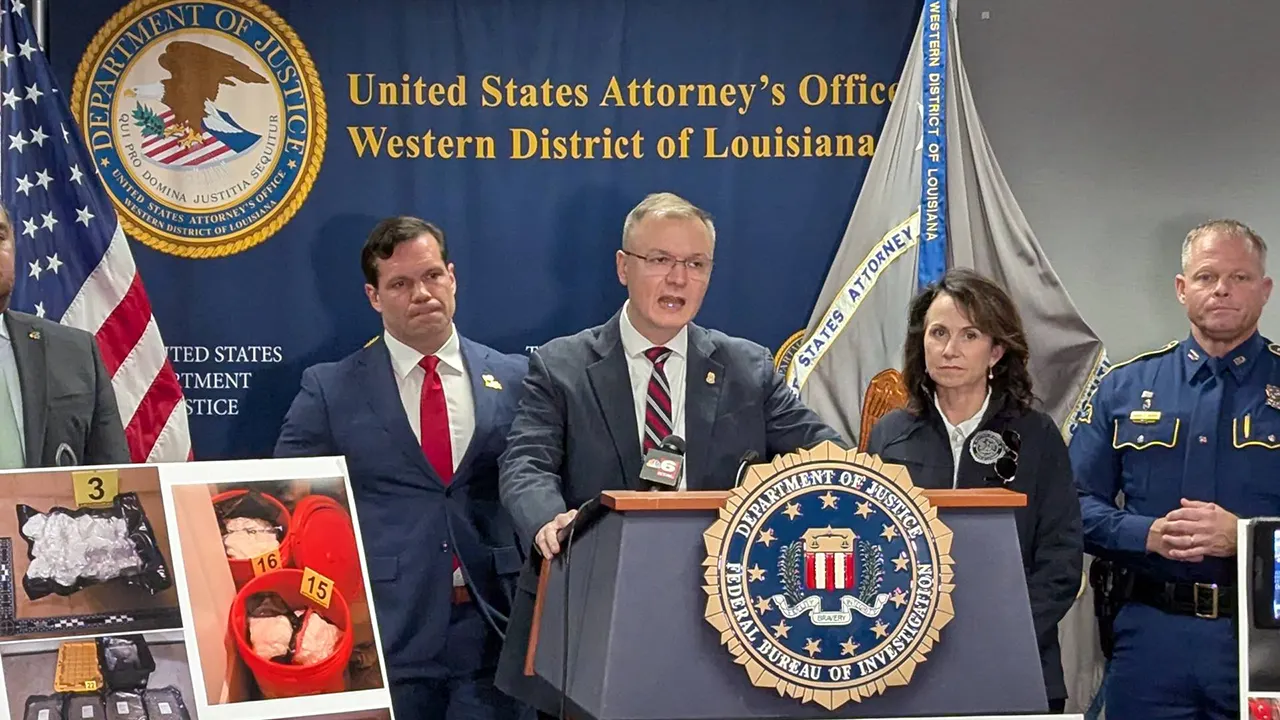
Diving deeper into the heart of the effort, FBI Special Agent in Charge Jonathan Tapp emphasized the strategic precision that fueled the success. “The FBI and our partners used targeted enforcement in high crime areas to get drug dealers, violent gangs, and criminals off the streets,” he stated, his voice carrying the weight of a man who has seen too much horror. Tapp, a veteran of countless operations, spoke from experience, recalling how early morning briefs turn into high-stakes pursuits. He’s not just another bureaucrat; he’s a father himself, motivated by the faces of overdose victims he once knew personally. In his eyes, this is a crusade against cartels that treat human suffering like merchandise, exploiting vulnerabilities for profit. Partnering with local sheriffs and federal task forces, they zero in on high-risk zones—abandoned warehouses in the industrial corridors or flashy apartments in tourist hubs—where surveillance drones and community tips unearth hidden caches. The human element shines through in these quotes; it’s about dedication that blurs into obsession for agents who view their work as a sacred duty. U.S. Attorney Zachary A. Keller echoed this sentiment, highlighting the collaborative might of law enforcement. “This operation demonstrates the power of federal, state, and local law enforcement working together to dismantle violent criminal networks.” Keller, a seasoned prosecutor with a law degree hanging on his wall, represents the judicial backbone, pushing cases through courts to ensure these arrests stick. He’s seen the courtroom dramas, the emotional testimonies from victims’ families that harden resolve. The announcement on social media, posted by the FBI New Orleans office, brought it home: “The power of #Partnerships in action.” It’s a digital shout-out that resonates with civilians scrolling their feeds during break, reminding them that safety is a team sport. In the narrative of these operations, agents like Tapp aren’t superheroes—they’re everyday people battling insomnia from late-night shifts, grappling with the moral weight of seeing addicts freed from chains only to face hurdles in rehab. Communities respond with gratitude, though; block parties erupt in celebration as arrests are made public, neighbors sharing stories of regained peace. This isn’t just about locking people up; it’s about breaking cycles of violence, where a captured gang leader means a neighborhood breathes easier, kids play in parks without constant vigilance. The empathy flows both ways—officers attend funerals of slain peers, honoring the human cost, while communities raise funds for fallen officers’ families. Tapp’s words ring true: “We are committed to making New Orleans one of the safest places in the country.” That commitment feels personal, almost intimate, as if the entire state is their extended family.
The numbers, stark and unyielding, paint a vivid picture of the scale of the problem—and the triumph. Over 700 arrests statewide, each one representing a life-altering intervention—whether it’s a young dealer lured into crime by poverty or a seasoned thug battling for cartel turf. The seizures? More than 100 firearms, from pistols hidden under mattresses to automatic weapons traded like currency in the underworld. Nearly 300 pounds of illegal narcotics seized, with fentanyl taking center stage as the silent killer that has claimed countless souls, its undetectable potency turning a single pill into a harbinger of death. Marijuana, cocaine, and prescription drugs like tapentadol piled into evidence lockers, each kilogram a testament to shipments smuggled across borders or brewed in clandestine labs. Over $250,000 in cash rounded out the haul, bills stained with desperation, money that once fueled expansions of criminal empires. These aren’t mere figures; they’re relics of real pain. Picture elderly folks in rural towns, robbed at gunpoint by armed thieves high on their own wares, or grieving parents burying children who snorted a fateful line. Officers on the ground know the stories behind the scenes—raiding a house where toddlers crawl amidst drug paraphernalia, rescuing victims trapped in addiction hell. The weapons alone could arm a small militia, fired in drive-by shootings that shatter peaceful evenings. In human terms, each seizure means fewer bullets flying, fewer lives snuffed out in senseless feuds. Agencies painstakingly catalog every item, tracing serial numbers back to black markets or lost armories, unraveling webs of distribution. For communities, it’s a victory lap; a church in Shreveport hosts thanksgiving services as news breaks, while schools report fewer absences from traumatized kids. The cash, too, symbolizes severed lifelines—gangs unable to bribe informants or stockpile more danger. Yet, beneath the elation lies caution; experts warn that displaced dealers might scatter, spawning new threats, but the partnerships forged here promise relentless follow-up. Lives are reclaimed in this calculus—addicts getting treatment coupons in exchange for tips, ex-convicts mentoring youth to steer clear of the path. The impact extends to public health, with overdose rates dipping as supplies dwindle, doctors noting fewer emergency visits laced with despair. It’s a poignant reminder that behind every pound seized is a family’s plea answered, a community’s burden eased.
Zooming in on New Orleans, where jazz echoes mingle with the rumble of Mardi Gras revelry, Operation NOLA Safe emerged as a beacon before the festive season. Launched by the U.S. Attorney’s Office for the Eastern District, alongside FBI and Homeland Security Investigations, this initiative aimed to disarm the chaos threatening the annual celebration—a time of masked joy that gangs often exploit for lucrative heists or drug floods. So far, 175 arrests have netted a staggering cache: 114 firearms, over 20 kilograms of cocaine, a kilogram of fentanyl (enough to kill thousands), more than 100 kilograms of marijuana, and 41,909 tapentadol pills, among other illicit substances. The goal? To preempt the surge in crime that often accompanies the influx of tourists and partygoers. Imagine the Big Easy’s French Quarter, normally alive with beads and brass bands, but shadowed by dealers prowling alleys for quick sales. Residents like Antoine, a lifelong local bartender, spoke of fearing for his patrons, many young visitors from out of state drawn by allure but blind to lurking perimeters. Enforcement teams blended into the crowd, undercover operatives sipping Hurricanes to eavesdrop on suspicious activities, while SWAT teams executed raids that shook the foundations of known havens. The operation’s design reflects deep empathy—intelligence from community leads, surveillance logs, and task force expertise combine to nip threats in the bud. For families in NOLA, this means uninterrupted parades, where children ride high on floats without glancing over shoulders. Competently, it’s about follow-on investigations, seizing on new intel to dismantle hierarchies. Officials like HSI agents, many veterans of border wars, bring a wealth of knowledge, humanizing the fight as they too recall personal brushes with danger—lost partners to cartel crossfire or sleepless nights guarding border lines. The Mardi Gras season, a cultural explosion symbolizing rebirth, becomes safer thanks to these unsung guardians, preserving traditions that bind the city. Stories percolate of informants, everyday folks turning the tide— a shopkeeper alerting authorities to suspicious vans, or a reformed addict sharing cartel secrets. In this human tapestry, success isn’t just arrests; it’s the laughter regained at festivities, the pride in a heritage untainted by fear.
Broadening the lens, this Louisiana crackdown mirrors a national struggle against the scourge of drugs and gangs, spotlighting the border security under the Trump administration, where overdose deaths have plummeted by 20% amid relentless pushes. The federal efforts here underscore a unified front, targeting supply chains across states, from cartel fronts in Los Angeles to distribution hubs in Louisiana. For everyday Americans, it’s about reclaiming cities; think of a suburban mom in Baton Rouge driving her kids to school without constant dread, or a factory worker in Lake Charles who altă can enjoy a beer after shift without worrying about contaminated markets. The partnership model—FBI, HSI, locals—fosters trust, turning officers into allies in dialogue rather than distant enforcers. Empathy drives innovation; community policing includes support groups for addiction recovery, where officers share meals with those battling dependence, breaking stigmas and building bridges. Tapp’s enthusiasm reflects this: “We’re getting the job done with intelligence—surveillance—and leads that we’re getting from the community.” His agents, portrayed as relentless pursuers of justice, embody the human spirit fighting darkness with light. As operations continue into follow-up phases, the promise of long-term investigations looms, eradicating roots of violence. In personified terms, this isn’t an endless war but a path to healing—families reuniting, crime rates dropping, and hope blossoming like magnolias in spring. Yet, challenges persist; political debates rage over resources, with some advocating more compassion for addicts over incarceration, while others demand tougher penalties. Ultimately, the story humanizes resilience—survivors of overdoses becoming advocates, officers mentoring at-risk youth, communities rallying in unity. It’s a testament to the indomitable will of people who refuse to let crime define their home.
Reflecting on the ops, the broader implications ripple outward, inspiring similar endeavors nationwide. From Miami’s gang sweeps to Chicago’s cartel busts, the Louisiana model—rooted in #Partnerships—demonstrates that coordination trumps isolation. For citizens, it’s empowerment; hotlines buzz with tips, and self-defense workshops empower the vulnerable. The seized assets fund public good—schools, parks, rehab centers—turning ill-gotten gains into community uplift. Empathy permeates the narrative: officers visiting families of victims, sharing grief and resolve, while acknowledging their own vulnerabilities—PTSD from harrowing rescues or moral dilemmas in arrests. Success stories abound—a young man, once a dealer, now coaching sports in reclaimed neighborhoods, or a widow finding closure as her husband’s killer faces judgment. The commitment to making places like New Orleans safe resonates deeply, a human commitment to protect the innocent. As the administration’s border crackdown gains traction, deterring traffickers, Louisiana’s triumphs hint at a safer future—streets bustling with life, not peril. Yet, vigilance remains; new threats emerge, like online drug markets, demanding adapted strategies. In the end, this is a story of people—agents, victims, survivors—united against adversity, humanizing the cold stats into a saga of redemption. The bayou’s whispers now carry hope, as law enforcement’s tireless crusade fosters a legacy of security, one arrest, one seizure at a time, ensuring families can dream anew. From the heartache of loss to the joy of recovery, Louisiana’s fight encapsulates the American spirit, unrelenting and unbowed. Communities, once besieged, stand taller, their stories woven into a tapestry of resilience that inspires us all. In this ongoing narrative, every victory isn’t just a statistic—it’s a life reclaimed, a future safeguarded, and a community healed. The echoes of success promise more operations, more partnerships, shaping a nation where fear yields to freedom, and darkness, to light. As agents like Tapp proclaim, the battle endures, but so does the hope for a safer tomorrow for all.