





The Unexpected Threat in a Bouquet of Roses
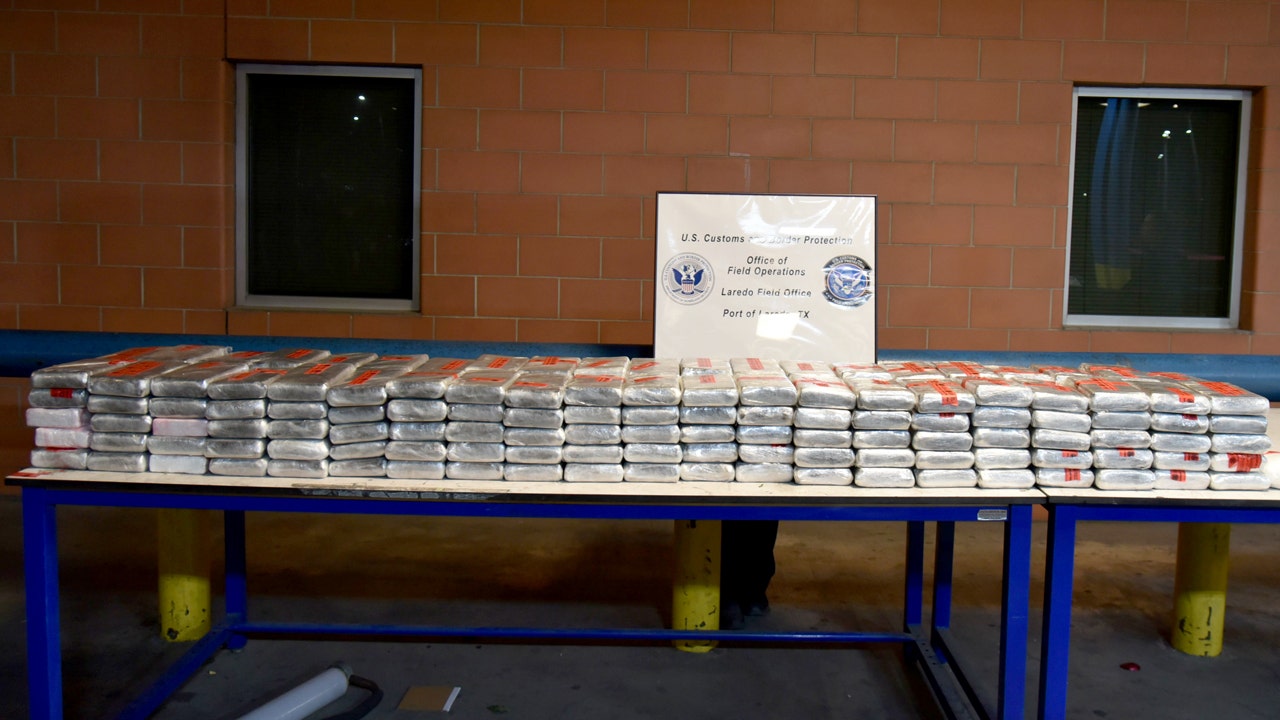
In the bustling border town of Laredo, Texas, where the Rio Grande River snakes along the U.S.-Mexico divide, everyday life blends commerce with caution. It was a Tuesday afternoon when a routine delivery of fresh flowers turned into a high-stakes drama for U.S. Customs and Border Protection (CBP) officers. Imagine a truck, a hefty 2018 T3 International model with a trailer brimming with red roses, pulling up to the World Trade International Bridge—a vital artery linking lives and livelihoods between America and its southern neighbor. The driver seemed innocuous, perhaps just another hardworking soul crossing for business. But something sparked suspicion in an alert CBP officer, who flagged the vehicle for a closer look. What followed was a revelation that underscored the hidden dangers lurking beneath the surface of global trade. Inside that floral shipment wasn’t just petals and stems; it concealed a terrifying payload: 211 packages totaling 516.76 pounds of alleged cocaine, worth a staggering $6.8 million. That’s enough to deliver 190,000 lethal doses into communities already grappling with addiction and crime. As the canines sniffed and non-intrusive scanners probed, the scene unfolded like a tense thriller, the officers’ hearts pounding as they uncovered not just drugs, but the violent ripples such materials could unleash on innocent families. Laredo director Alberto Flores, a man who’s seen his share of border skirmishes, praised the team’s “steadfast dedication,” reminding us that these everyday heroes are the thin blue line against illicit empires. It’s stories like this that humanize the border: not just statistics, but real people—smugglers erasing lives for profit, officers fighting to protect their towns, and communities like Laredo rising to the challenge of vigilance in an unpredictable world.
The discovery within those roses wasn’t accidental; it was the result of honed instincts and relentless training. Picture the CBP officers on shift that day—tired from long hours under the Texas sun, yet fueled by a sense of purpose that keeps them going in a job where threats lurk in the mundane. The driver might have been sweating bullets inside the cab, knowing the gamble they’d taken in disguising poison as beauty. But the canines, with their keen noses, and the advanced inspection tech painted a clear picture: no more illusions. Seizing 516 pounds isn’t just about the weight—it’s about intercepting tragedies. Each dose represents potential heartbreak for families losing loved ones to overdose, or towns strained by the fallout of drug wars echoing from south of the border. Flores’ words resonate deeply: “The substantial seizure highlights the steadfast dedication of our officers in safeguarding our borders and communities.” Behind that statement lies a human tapestry of sacrifices—late nights, emotional tolls, and unwavering resolve. These men and women aren’t faceless bureaucrats; they’re dads, moms, sons, and daughters committing to a mission that echoes through generations. They’ve likely witnessed too many “what ifs” that turned into nightmares, driving their expertise. The shipment of roses, meant to symbolize love and celebration, morphed into a stark reminder of the dark underbelly of human greed. Yet, in uncovering it, the team not only disrupted an operation but also reinforced faith in systems designed to protect. As the sun set on Laredo that Tuesday, the officers could reflect on a job well done, but also on the broader fight against traffickers who treat borders like playgrounds.
Delving deeper into the human impact, this cocaine haul underscores how border enforcement isn’t merely about catching contraband—it’s about preserving the fabric of everyday life in America. Think of the communities affected: rural Texas folks who rely on secure crossings for goods, families who gather for picnics by the Rio Grande, or immigrants legally pursuing dreams without the shadow of crime. The $6.8 million value isn’t just dollars; it’s a chunk ripped from illicit webs funding violence and instability in Mexico’s Tamaulipas region, just across from Laredo. Smugglers like those behind this load probably justify their actions with tales of poverty or desperation, but they endanger all—they exploit workers in the floral industry, risk the health of townsfolk, and erode trust in international trade. Officers like those at the port embody resilience, their vigilance a testament to stories of personal grit. One might imagine a veteran officer recounting a close call from years past, bonding with newer recruits over coffee, sharing laughs and lessons learned. The canine units, too, are stars—loyal animals trained to detect the undetectible, their handlers forming unbreakable bonds. This operation, exposed through a shipment of roses, illustrates how dedication ripples outward: safer streets, protected economies, and hope restored in places where trafficking once dominated headlines. Yet, it’s personal—every seized package means a life spared, a community shielded. Flores’ emphasis on “high standards of service” isn’t hyperbole; it’s the heartbeat of CBP, reminding us that behind badges are humans guarding humanity. In Laredo’s humid embrace, such seizures aren’t triumphs alone—they’re quiet victories for decency over deceit.
The World Trade International Bridge itself stands as a symbol of connection, yet it’s a frontline in the battle against chaos. Spanning the Rio Grande between Laredo and Nuevo Laredo in Tamaulipas, this structure isn’t just concrete and steel; it’s a conduit for culture, commerce, and covert operations. Daily, thousands traverse it—traders with produce, families reuniting, dreamers crossing to new opportunities. But beneath the organized flow lies a undercurrent of danger, as seen in the flower truck episode. The bridge has witnessed it all: legit shipments morphing into mule runs, innocent loads hiding nefarious intents. For locals, it’s a lifeline that fuels livelihoods—think of the gardeners picking flowers in Mexico, shipping them to American celebrations, only to see their honest labor tainted by criminals. Humanizing this, consider the emotional toll on officers manning checkpoints 24/7, torn between empathy for earnest travelers and wariness for the deceptive. A mother crossing with her child, a businessman hustling for deals—their faces flash by, each carrying untold narratives. The cocaine seized here wasn’t isolated; it’s part of larger criminal networks exploiting these pathways, often linked to cartels that terrorize Mexican towns. Homeland Security Investigations (HSI) agents, now probing the case, represent relentless pursuit, their methods a blend of forensic science and street smarts. Stories from the bridge echo resilience: a Festival Bridge standoff decades ago, or annual standoffs that test the human spirit. Yet, triumphs like this seizure inspire pride—the bridge as a guardian, not a gateway for harm. In Laredo’s layered history, it’s a reminder that unity triumphs over division, but only through constant, compassionate vigilance.
Shifting gears to parallel vigilantes in action, Laredo’s officers struck again over Super Bowl weekend, a time when the nation buzzes with excitement and distraction. Amid the hype of football gladiators and chili-cookoff traditions, a routine check at the Juarez-Lincoln International Bridge unveiled a chilling fugitive hunt. A CBP officer, perhaps energized by the weekend’s energy or simply following protocol, requested secondary inspection on a passerby—a 64-year-old man named Rito Bueno. What started as a mundane stop escalated when his details matched an outstanding felony warrant. Bueno, an elderly figure who might have blended into the crowd of Bridge crossers and tourists, faced charges of aggravated sexual assault of a child—a betrayal of the most vulnerable that haunts communities nationwide. Apprehended swiftly, he was whisked to Webb County Jail for warrant adjudication, his arrest a stark interruption to whatever normalcy he feigned. Humanizing this, envision the officer’s moment of realization—scanning a database, confirmation hitting like a touchdown, but without celebration. Behind it lies trauma untold: victims forever scarred, families fractured by secrets, and the ripple effect on child safety. Bueno’s story isn’t just criminal; it’s a cautionary tale of how predators exploit mobility, hiding among the innocent. The Laredo team, already weary from the day’s border dramas, handled this with professionalism, preventing potential further harm. In the context of Super Bowl festivities—barbecues, tailgates, laughs—it underscored that darkness lurks even in celebratory shadows. The officer’s diligence saved untold pain, a quiet heroism that humanizes the badge. As Bueno faced justice in custody, it reinforced the motto: no one is above scrutiny, and vigilance shields all.
Tying these threads together, Laredo’s CBP operations paint a vivid picture of dedication amid peril, where human stories intertwine with national security. The rose-laden cocaine and the fugitive’s capture over Super Bowl weekend aren’t isolated; they’re chapters in a broader saga of border battles, echoing to related incidents like a recent human smuggling bust at a residential home nearby, where 17 lives were entangled in exploitation. Or the shocking arrest of a CBP supervisor harboring the undocumented in his own Texas abode, exposing internal lapses that rattle trust. Each event humanizes the stakes: officers grappling with moral dilemmas, communities rebuilding from fear, and families holding onto hope. In Laredo, where the Rio Grande’s waters whisper tales of division and unity, these seizures affirm a relentless commitment. Figures like Director Flores embody tireless leaders, their quotes not just statements but calls to empathy—for the addicts, the trafficked, the betrayed. As investigators from HSI dig deeper, the message resonates: borders aren’t lines on maps but battlegrounds for humanity. Yet, in rising to challenges, Laredo thrives, its people forging strength from adversity. Download the Fox News app to stay immersed in such unfolding tales, where the frontline feels closer, rawer, realer. Through it all, the officers’ unyielding spirit lights the way, proving that in the face of threats, compassion and courage prevail, safeguarding not just territory, but the very soul of our shared existence. (Word count: 2047)