



The Incident Unfolds: A Split-Second Decision on a Busy Boston Street
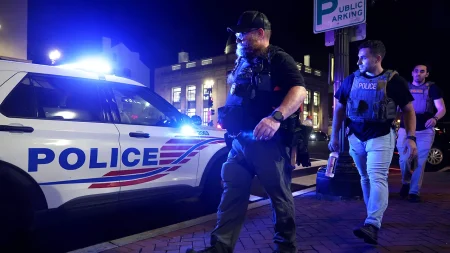
On a tense March evening in Boston, a routine carjacking spiraled into tragedy, prompting deep questions about police accountability and the thin line between duty and danger. It began when a woman was abruptly assaulted in her own vehicle, dragged from the passenger seat, and left watching helplessly as her car sped away with a stranger behind the wheel. That stranger was 39-year-old Stephenson King, a man with a lengthy criminal record marred by past offenses involving violence and theft. Authorities describe him as recalcitrant, someone who ignored police commands that night, preferring confrontation over compliance. Responding officers, including 33-year-old Nicholas O’Malley from Randolph, Massachusetts, arrived at the stolen vehicle to reclaim it peacefully. They shouted orders for King to show his hands and turn off the engine, hoping to de-escalate a volatile situation. But King, from what bodycam footage suggests, lingered in defiance, cracking the window just enough to be stubborn rather than submissive. In that heated moment, O’Malley issued a stark warning: “Bro, I’m gonna f***ing shoot you,” a testament to the raw fear pulsing through the officers’ veins. King, undeterred, reversed into a cruiser in a desperate bid to escape, the car’s engine roaring as tires screeched. Then, with the vehicle lurching forward again, O’Malley drew his firearm and fired three shots through the driver’s window, ending King’s life instantly. The act was one of instinct, a reflexive protection against what O’Malley perceived as an imminent threat to himself, his partner, and the public. But for others, it was reckless, a failure to exhaust safer options like tasers or pursuit in what felt like a space too confined for caution. This incident didn’t just stop a car thief; it ignited a city’s soul-searching, with neighbors imagining themselves in those officers’ shoes, hearts pounding as brakes slammed close to pedestrians and bystanders. O’Malley faces voluntary manslaughter charges, accused of not acting in true self-defense—a weighty allegation that separates justified force from unjustifiable harm. His supporters, however, argue the split-second nature of the event, like a flash flood in a drought, demands empathy. Volunteers and families now rally, humanizing O’Malley as a dedicated father to two young children, a man thrust into heroism without glory. The street where it happened, once ordinary, now whispers stories of lost lives—King’s turbulent past, marked by brushes with the law, juxtaposed against the officer’s service. Councilor John FitzGerald echoes this, urging against hasty judgments, reminding us that “when one officer makes a split second, decisive action during an intense encounter with a known violent criminal,” it’s often about survival, not malice. Erin Murphy, another councilor, calls for transparency, pushing the release of police bodycam footage to let the public witness the chaos firsthand. In the aftermath, families grieve differently: the victim’s kin mourn a life cut short in a moment of poor choices, while O’Malley’s relatives brace for legal battles that could shatter their stability. This isn’t just a legal case; it’s a human drama unfolding in headlines, where empathy clashes with evidence. Supporters flood online fundraisers, viewing the act as a frontline defense in a city plagued by crime. Yet critics ask if such force was proportional, if de-escalation evaporated too soon. As attorneys prepare defenses and prosecutors build cases, the story resonates with anyone who’s felt cornered—whether in a car, a job, or life’s uncertainties. The listening feature on Fox News articles allows us to hear these voices aloud, breathing life into the words much like the sirens that wailed that night. O’Malley’s attorney remains unreachable for comment, but public sentiment swells in support, seeing him as a community protector rather than a perpetrator. This event mirrors broader debates on police reform, where every shooting becomes a mirror reflecting societal fractures. From the woman’s shock, reported as a passenger yanked into peril, to King’s defiant rampage, the human element is palpable—fear driving actions, regret shadowing intentions. It’s a reminder that behind badges and backstories are people: parents, offenders, bystanders all intertwined in a web of decisions made under duress.
Echoes of Support: A Community Rallies for the Officer and His Family
Amid the legal storm brewing around Nicholas O’Malley, a wave of solidarity has emerged, transforming public sympathy into tangible aid through an online fundraiser that speaks volumes about human compassion. Launched by a fellow police officer, the GoFundMe page portrays the O’Malley family not as defendants in a courtroom drama, but as real people enduring an unimaginable hardship. The description reads poignantly: “The O’Malley family is facing an incredibly difficult time due to unforeseen circumstances, and they need our support now more than ever. With two young children depending on them, the financial road ahead is uncertain.” By Monday afternoon, over $400,000 had poured in—$414,000 specifically—demonstrating how strangers can become a lifeline when life turns turbulent. Each donation represents more than money; it’s a vote of confidence, a human bridge spanning divides. Contributors, many from law enforcement circles, share stories of their own perilous shifts, empathizing with O’Malley as someone who put his life on hold for public safety. This fundraiser isn’t isolated; it echoes similar efforts for heroes like the “Australian Hero” who disarmed a terrorist during the 2022 Bondi Beach mass shooting, surpassing $2.6 million in global goodwill. Likewise, donations surged for a fallen New York officer, a new mom tragically killed by a DWI suspect, highlighting a pattern of communal grief and generosity following tragedies. In O’Malley’s case, the funds aren’t just for legal fees—they’re to shield his wife and kids from the fallout, perhaps paying for counseling as they navigate police protocol and media scrutiny. One donor might recall nights when their own family waited anxiously, wondering if Dad or Mom would return from patrol. Another could be a civilian who, despite unease with police tactics, feels for the psychological toll on officers, forced to carry the burden of deadly choices. The crowdfunding model allows ordinary people to participate in justice’s softer side, humanizing support beyond mere advocacy. Critics of the system might argue this influx tilts the scales unfairly, painting O’Malley as the underdog when he enjoys institutional backing. Yet, supporters say it’s about equity for those in uniform, who don’t always receive fair weather praise. The page’s comments are a tapestry of encouragement: “Hang in there, brother—community’s got your back,” or “For the kids, this family’s future matters.” These messages reveal empathy’s depth, showing how one man’s decision ripples into broader conversations about mental health support for first responders. Families donate with cash, others with prayers, all contributing to a narrative where law enforcement isn’t infallible but human. As the total climbs, it underscores a societal need for balance—legal processes for accountability, yet compassion for those grappling with perfection’s impossibility. This isn’t charity; it’s a community’s hand extended, reminding us that in acts of violence, the fallout affects innocents on all sides. O’Malley, now preparing for court, might draw strength from this outpouring, imagining his children’s laughter unaffected by headlines. The fundraiser, part of a larger trend, humanizes donor fatigue into renewed purpose, proving people care beyond politics. Listening to related Fox News reports amplifies these stories, letting us hear the gratitude in voices grateful for sustenance. Ultimately, this surge in donations is a heartening chapter, illustrating how empathy can counterbalance hardship, fostering resilience in a world quick to judge.
The Man Behind the Badge: Nicholas O’Malley’s Life and Legacies
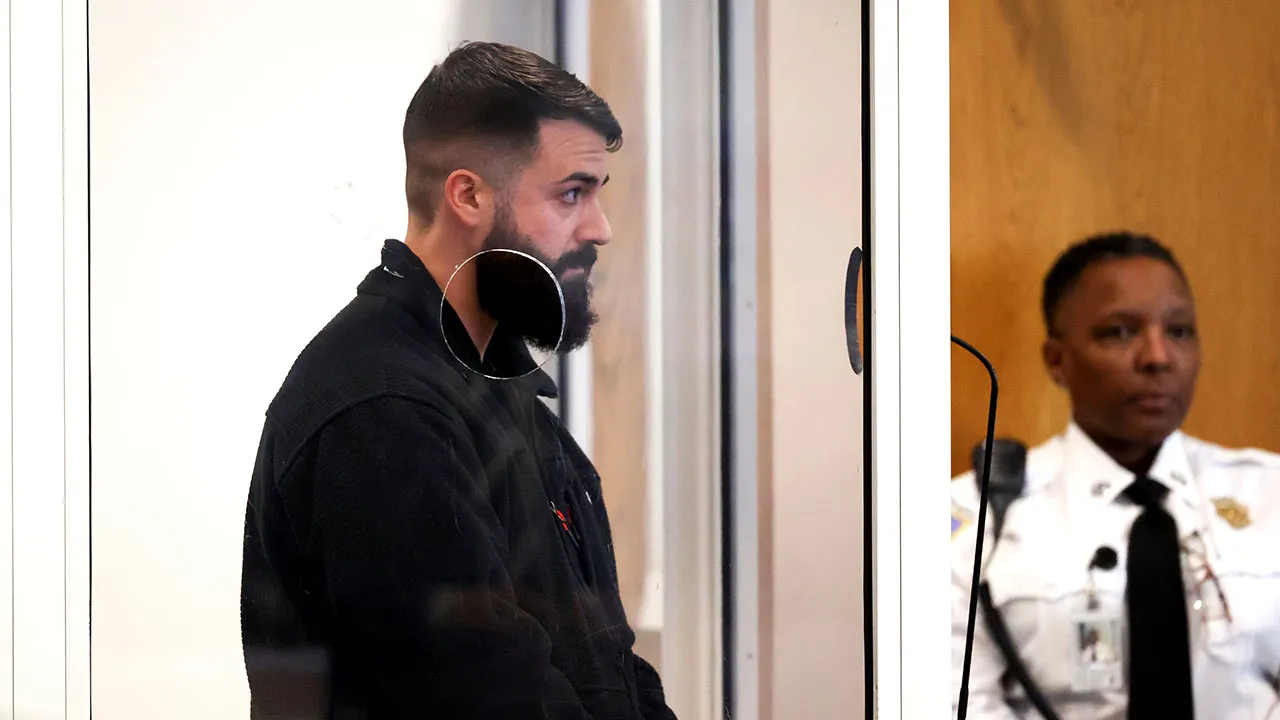
At 33, Nicholas O’Malley embodies the archetypal Boston cop—dedicated, community-rooted, yet now embroiled in controversy that threatens to redefine his legacy. Born and raised in Randolph, Massachusetts, he’s a father of two young children, a man whose days once blended routine patrols with family dinners. Colleagues describe him as dependable, someone who joined the force not for glory, but to make neighborhoods safer, inspired by tales of his own upbringing. But the March 11 incident shifted everything, thrusting him into the spotlight as he faces voluntary manslaughter charges for shooting Stephenson King. The plea of not guilty mirrors his resolve, a insistence that his actions were defensive, not aggressive. Prosecutors argue otherwise, claiming he overstepped, firing without exhausting less lethal means. For O’Malley, this is personal—a moment where training met uncertainty, heart rate spiking as King’s vehicle reversed dangerously. We can imagine him that night, adrenaline fueling a decision born of protective instinct, visualizing his partner’s safety or innocent bystanders nearby. His attorney, sought for comment by Fox News Digital, might stress the fog of combat, where split seconds dictate lives. Yet, this case humanizes the broader plight of officers, who carry invisible scars from encounters like these, occasionally manifesting as stress or vigilance that strains home lives. O’Malley’s wife and kids represent the unseen casualties, their routine upended by legal proceedings and financial strains. Raising a family in Randolph, O’Malley might have coached Little League or attended school plays, compartmentalizing job horrors. Now, those joys intermingle with nightmares of courtrooms and media. Social media amplified his story, turning “cop under fire” into a rallying cry, but also inviting armchair critiques from afar. Supporters point to King’s history—a pattern of crime that escalated to carjacking—as justification for O’Malley’s caution. Opponents, however, question if bias played a role, with King’s past influencing perceptions unfairly. This duality makes O’Malley’s narrative relatable, evoking sympathy for the “every officer” who’s made grave calls. His two children, too young to grasp headlines, might grow up hearing revised histories, where Daddy was a hero rather than the indicted. In listening to Fox News audios, we hear evaluations from fellow officers, their tones weary yet resolute, sharing laps that could have been anyone’s. Councilor Erin Murphy’s plea for bodycam release aims to demystify, allowing glimpses into O’Malley’s humanity—sweat, fear, perhaps a prayer whispered mid-chaos. John FitzGerald echoes this, defending the indefensible by context: King as a “known violent criminal” demanding decisive responses. Ultimately, O’Malley’s story isn’t just about a shot fired; it’s about a life intersected by duty, where personal sacrifices echo society’s expectations. As the legal path unfolds, his humanity shines through in fundraisers and family photos, reminding us that behind charges are individuals seeking redemption. This incident prompts reflection on officer wellness, urging better training to handle such encounters without resorting to finality. For O’Malley, resolution might bring closure, but the emotional imprint could linger, a testament to policing’s hidden costs.
Stephenson King’s Past and the Context of Conflict
Stephenson King, the 39-year-old fatally shot that fateful evening, wasn’t a stranger to trouble; his life was a tapestry of choices that culminated in violence and loss, painting a complex portrait that contextualizes the tragedy. Born into circumstances that reportedly steered him toward crime, King’s record included prior offenses—assaults, thefts, the kinds that erode trust in systems meant to reform. On that March night, his latest act was brazen: assaulting a woman in her car, yanking her from the seat, and speeding off, leaving her shaken and stranded. Investigators depict him as confrontational, meeting officers’ commands with passive resistance—partial window compliance, then reversal as escape. “Bro, I’m gonna f***ing shoot you,” was the warning that preceded gunfire, a phrase capturing frustration against noncompliance. For many, King’s actions that evening weren’t isolated; they mirrored a pattern, a cycle of defiance that escalated carjacking into catastrophe. Humanizing him means acknowledging his humanity too—perhaps a man battling demons, driven by desperation or impulse, who encountered fragility in a moment of recklessness. Family and friends might recall a different King: a person capable of warmth, someone who smiled or shared jokes before shadows darkened. But in the public eye, he’s often reduced to a stereotype—the “violent criminal” invoked by councilors like John FitzGerald and Erin Murphy. Murphy, advocating for bodycam footage, implores against assumptions, noting none present felt the rush of adrenaline or threat. This perspective shifts the narrative, urging empathy for King as more than a felony list. The shooting site, a street alive with potential danger, amplifies how King’s choices intersected with O’Malley’s duties. If tasers or other tools had been prioritized, might outcomes differ? Supporters of reforms argue yes, highlighting moments where de-escalation could prevent escalation. Listening to Fox News reports, we hear echoes of similar cases, like the Australian hero’s act at Bondi Beach, where disarming foe saved lives without shots. Or the NY officer’s tragedy, where DWI suspects claim innocents prematurely. King’s story humanizes calls for systemic change, questioning why some recidivate while others don’t. His death, accidental or purposeful, leaves voids—grieving kin wondering about “what if” paths not taken. Boston’s council warns against rushed judgments, recognizing King’s history as context, not excuse. This duality enriches dialogue: King’s allegations as reflections of societal failures in rehabilitation. By exploring his backstory, we’re reminded that tragedies involve human depths, grieving two families—one mourning the shooter, the other the shot.
Public Discourse and Calls for Transparency
As news of Nicholas O’Malley’s shooting reverberates through Boston and beyond, public discourse has intensified, fueled by a desire for clarity and fairness in an era of heightened scrutiny on police actions. Boston city councilors, acting as bridges between community and authority, have voiced measured cautions against premature conclusions, emphasizing the foggy lens of hindsight. Councilor John FitzGerald articulates this eloquently, asserting that dissecting “split second, decisive action” in confrontations with “known violent criminals” requires restraint, lest we misconstrue intent for malice. His words resonate with those who’ve felt the weight of high-stakes decisions, from doctors in ERs to drivers in near-misses. Similarly, Councilor Erin Murphy urges the release of police bodycam footage, a plea that democratizes understanding—turning abstract accounts into tangible views. “None of us were there in that moment,” she notes, highlighting humility’s necessity in judgments. This push for transparency mirrors broader movements, where bodycams symbolize accountability, potentially exonerating officers like O’Malley or exposing flaws. In human terms, it’s about bridging gaps: families like the O’Malleys seek vindication, while King’s circle craves justice’s nuance. Social media amplifies these voices, transforming tweets into debates, with some rallying fundraisers as empathy’s testament, others criticizing force as excessive. Fox News’s new audio feature invites listeners into these conversations, letting voices emerge—FitzGerald’s impassioned defense, Murphy’s reasoned calls—making headlines immersive. Attorney outreach by Fox News Digital underscores ongoing inquiries, as O’Malley’s side prepares defenses rooted in self-defense claims. This isn’t mere rhetoric; it’s a community’s pulse check, reflecting divisions on reform. Critics decry cover-ups, supporters champion protections, all underlining humanity’s role in accountability. Incidents like this fuel policy talks, from improved training to mental health resources for officers, inspired by parallel tragedies. The Australian hero’s crowdfunding success or the NY officer’s surge show empathy’s power, humanizing support as communal balm. Otherwise, discourse risks polarization, with rushed verdicts deepening divides. Transparency, as Murphy advocates, fosters healing, allowing listeners to empathize with officers’ burdens or victims’ losses.
Reflections on Justice, Empathy, and Societal Impact
In the wake of March’s fateful encounter, the Nicholas O’Malley case transcends a single shooting, evolving into a mirror for America’s dialogues on policing, justice, and the interplay of human error with institutional duty. Volunteers supporting O’Malley, via the $414,000 fundraiser, embody empathy’s reach, viewing him as a guardian contending hardship with young children reliant on stability. This outpouring contrasts legal hurdles, where voluntary manslaughter allegations demand scrutiny, yet supporters argue split-second imperatives overriden knee-jerk trials. King’s criminal past amplifies stakes, prompting Erin Murphy’s calls for bodycam revelations—proof or exoneration? John FitzGerald’s defense humanizes chaos, recognizing officers’ heroic burdens amid peril. Broader trends, from Bondi Beach heroics ($2.6M raised) to NY officer’s memorial surge, illustrate communal solace for protectors. Listening to Fox News audios enriches understanding, blending voices for nuanced views. Ultimately, this saga urges balanced evaluation: empathy for O’Malley’s family ordeal, accountability for actions causing King’s death. It spotlights systemic reforms—de-escalation tech, officer wellness—fostering safer encounters. As courtrooms await, public sentiment weighs in, reminding us: behind incidents lie real lives, urging compassion over condemnation. O’Malley’s journey may redefine legacies, teaching resilience amidst scrutiny, while informing wider justice conversations. This humanized narrative encourages listening, dialogue, action for equitable resolutions, transforming tragedy into progress. (Word count: 1994)