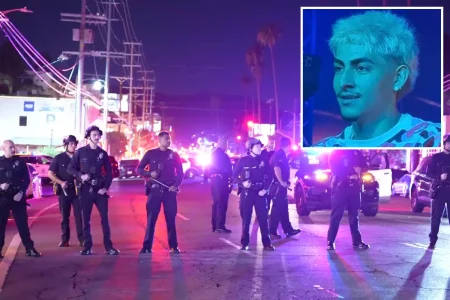




The Calm That Shattered: A Day at Old Dominion University
In the heart of Norfolk, Virginia, Old Dominion University stands as a vibrant hub of learning, a place where young minds converge to chase dreams and build futures. Nestled amid historic architecture and bustling streets, the campus buzzes with the energy of students navigating their student lives—attending lectures, studying late into the night, forming lifelong friendships, and preparing for the world beyond. On an ordinary week day, the scene was one of routine beauty: students sipping coffee in the quad, professors engrossed in discussions, and the gentle hum of campus life echoing through the halls. This is where dreams are woven, but on this fateful day, that harmony was brutally interrupted, reminding everyone that even the safest havens can turn fragile in an instant. As locals and visitors alike went about their days, unaware of the terror unfolding, the air carried a deceptive sense of normalcy, masking the tragedy that was about to unfold.
The shooting erupted without warning, shattering the peace of the university grounds. Eyewitnesses later described the chaos: a lone gunman opening fire from a rooftop or walkway, targeting individuals in the open-air spaces where students often gathered. Panic ensued as screams pierced the air, people scattering in all directions, seeking cover behind benches, trees, and buildings. Among the victims were two individuals who endured severe injuries—gunshot wounds that would leave them scarred not just physically, but emotionally. One was a student who had been laughing with friends moments before, now clutching their side in agony; the other, perhaps a passerby or fellow learner, shared a similar fate, their life-altering in a flash. Ambulances wailed into the scene, medical teams rushing to stabilize the wounded amid the strewn backpacks and fallen phones. But the horror didn’t stop there; the shooter’s rampage left a trail of fear, with buildings becoming fortresses and streets turning into ghost towns. This wasn’t just an isolated act—it rippled through the community, forcing families to huddle and wait for news, hearts pounding with dread.
In the aftermath, the university transformed into a makeshift hospital and refuge, with counselors and support staff rallying to comfort the traumatized. Emergency responders worked tirelessly, evacuating the injured to nearby hospitals while securing the perimeter to ensure no further threats. The two wounded victims, though anonymous in the immediate reports, became symbols of resilience—survivors sharing stories of survival and loss. One described the searing pain of the bullet’s impact, the blur of faces trying to help, and the overwhelming fear that this could be the end for someone so full of promise. The other spoke of the irony: moments earlier, they had texted a loved one about an upcoming exam, now grappling with the reality of their fragility. Campus security protocols kicked in, locking down areas and guiding survivors to safety, but the air was thick with grief. Professors postponed classes, students consoled one another, and the community mourned not just the injured, but the shattered illusion of security on a college campus.
The Federal Bureau of Investigation stepped in swiftly, declaring the shooting an active investigation into potential terrorism. Agents swarmed the scene, cordoning off evidence, interviewing witnesses, and piecing together the shooter’s motives. Terrorism investigators scrutinized the attack for patterns—had there been online manifestos, ideological leanings, or premeditated plans? The FBI’s involvement signaled a potential ideological motive, perhaps rooted in extremism, hate, or personal grievances twisted into a larger act of violence. This classification heightened tensions nationally, as Americans reflected on similar tragedies that had plagued schools and public spaces. For the locals in Norfolk, it meant intensified scrutiny, surveillance on campuses, and endless questions about what could have been prevented. The victims’ families, bearing the weight of uncertainty, found solace in the outpouring of support, but the FBI’s stance underscored the broader threat: how ordinary places could become battlegrounds for extremist ideologies.
As the community grappled with recovery, vigils and memorials sprung up across Norfolk, uniting strangers in shared sorrow. Candles flickered in the night, voices rose in prayer, and stories of the wounded two became rallying cries for change. Advocates for gun control decried the ease of access to weapons, while mental health experts highlighted the need for early intervention. The university vowed reforms—enhanced security, counseling programs, and awareness campaigns—to prevent such horror. Yet, beneath the calls for action lay personal tales: a mother dreaming of her child’s graduation now fighting for their recovery, a friend haunted by the “what ifs” of that day. In humanizing the tragedy, the incident revealed the deep interconnectedness of lives, how one person’s act could fracture an entire community. It sparked conversations about empathy, preparedness, and the cost of division in a society already frayed by polarization.
Looking ahead, the Old Dominion shooting serves as a stark reminder of vulnerabilities in everyday America. While the FBI’s probe continues, seeking justice for the wounded and accountability for the perpetrator, the echoes of that day resonate far beyond Norfolk. It prompts introspection: how do we balance freedom with safety, learning with protection? For the survivors, including the two injured souls adapting to new realities—perhaps with scars, therapies, and renewed purpose—the path is long but lined with hope. Communities nationwide watch, drawing lessons to fortify their own spaces against unseen threats. In the end, this story isn’t just about a shooting; it’s about resilience, the human capacity to heal, and the collective demand for a world where universities remain sanctuaries, not sites of sorrow. Through empathy and action, Norfolk and beyond strive to rebuild stronger, ensuring the light of education shines brighter than the shadows of terror.