







ICE Arrests Oklahoma Man for Threatening Federal Agents Online
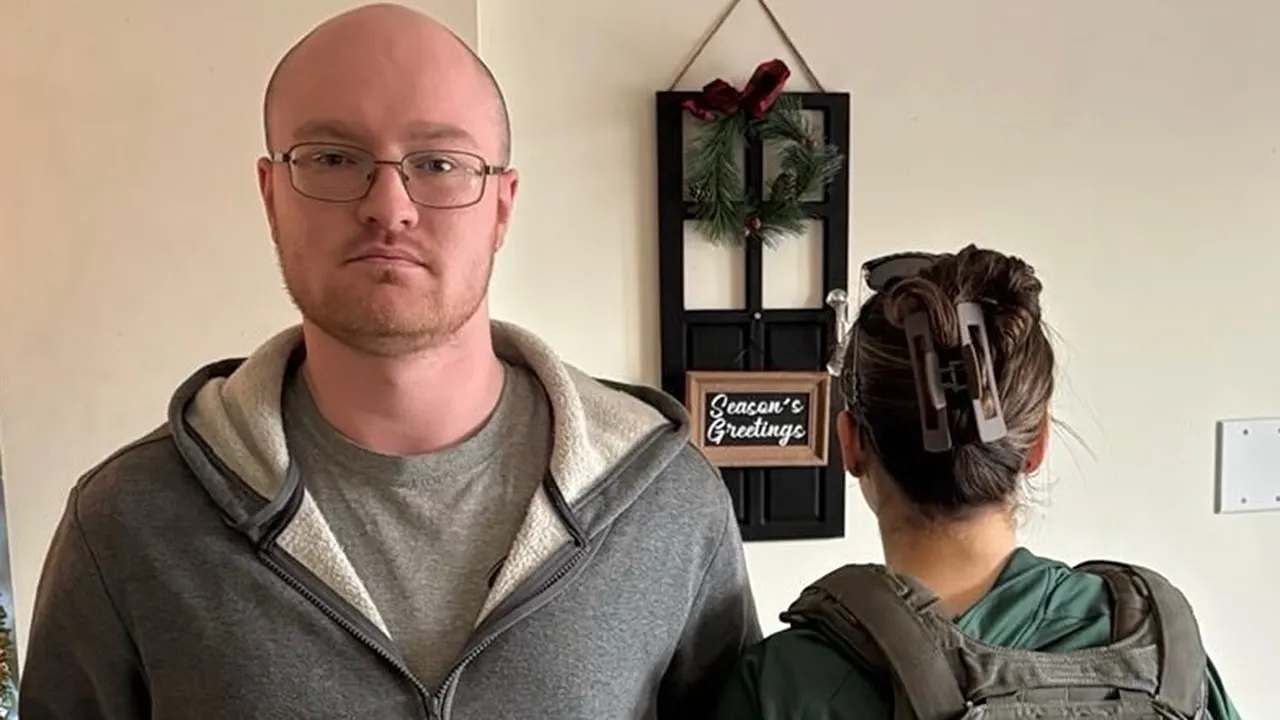
In a dramatic arrest that underscores the serious consequences of threatening federal officials, U.S. Immigration and Customs Enforcement (ICE) recently took Logan Murfin of Tulsa, Oklahoma into custody. The agency released an image showing the moment of arrest by a Homeland Security Investigations officer, with a “Season’s Greetings” holiday decoration visible in the background – creating a stark contrast to the gravity of the situation. The arrest came after Murfin allegedly posted numerous threatening messages on social media targeting federal law enforcement. ICE’s pointed message accompanying the arrest photo on social media made their stance clear: “Threatening to assault, murder or interfere with a federal agent is a FELONY,” adding with a note of finality, “Welcome to the find out stage, Logan.”
The case highlights the increasing concern about violent rhetoric directed at federal officials in our increasingly polarized society. According to the U.S. Attorney’s Office for the Northern District of Oklahoma, Murfin now faces ten serious federal charges: five counts of “Threatening to Assault and Murder Federal Law Enforcement Officers with Intent to Impede, Intimidate, Interfere, and Retaliate” and five counts of “Interstate Communication with a Threat to Injure.” These charges stem from what prosecutors describe as “several threatening and intimidating statements on social media advocating for the assault and murder of federal agents.” The specific content of these posts was disturbing, with allegations that Murfin called for federal agents to be “gunned down, shot, and executed” and encouraged others to “stay armed and to kill agents when seen because the agents don’t deserve to live.”
This case emerges against a backdrop of growing tensions between immigration enforcement agencies and those critical of their policies. Some officials have expressed concern about what they characterize as a significant increase in violence and threats against ICE agents, with one report cited by Fox News claiming a 1,150% surge in violence against ICE agents. The article suggests this increase may be connected to rhetoric from politicians in “sanctuary” jurisdictions who have been critical of federal immigration enforcement actions. The arrest of Murfin appears to be part of a broader effort by federal authorities to take threats against their personnel seriously, regardless of the political context in which they occur.
The severity of the charges against Murfin reflects the seriousness with which threats against federal officers are treated under U.S. law. While free speech is constitutionally protected, direct threats of violence cross a clear legal line. The U.S. Attorney’s Office is pursuing multiple felony counts that could potentially result in significant prison time if Murfin is convicted. This case may serve as a sobering reminder that online statements, particularly those advocating violence against government officials, can have real-world legal consequences regardless of whether an individual intended to follow through on such threats.
The timing of the arrest, apparently occurring during the holiday season as evidenced by the decorations visible in the arrest photo, adds an additional layer of poignancy to the situation. While many Americans were preparing for holiday celebrations, Murfin found himself facing the consequences of his alleged online behavior. ICE’s decision to release the image with the “Season’s Greetings” sign visible in the background may have been deliberate, underscoring the contrast between festive normalcy and the serious nature of threatening federal officials. The agency’s accompanying message on social media platform X (formerly Twitter) had an almost taunting quality, suggesting that those who make threats should expect consequences.
The case raises broader questions about the increasingly hostile rhetoric surrounding law enforcement and immigration policy in America. One senator quoted in the original article warned of a “powder keg” situation developing as some members of the public appear to condone aggressive behavior toward immigration officials. While reasonable people can disagree about immigration policies, the legal system draws a clear line at threats of violence. This arrest serves as a reminder that regardless of one’s political views on immigration enforcement, advocating violence against federal officers crosses from protected speech into criminal territory. As this case proceeds through the justice system, it may provide an opportunity for reflection on how passionate policy disagreements can be expressed without resorting to rhetoric that threatens physical harm to those tasked with enforcing the law.