


Oil Prices Surge Amid Global Tensions, Trump’s Sanctions Waivers Spark Measured Response
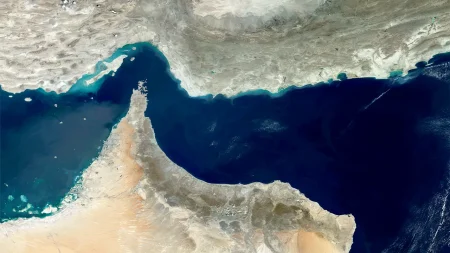
In the volatile world of global energy markets, Thursday’s dramatic events unfolded like a high-stakes thriller, with oil prices leaping about 10 percent in a whirlwind of geopolitical intrigue. This explosive jump was fueled by a confluence of factors, including simmering tensions in the Middle East and fears of supply disruptions. Traders, already on edge from reports of escalating conflicts, drove Brent crude futures above $90 a barrel for the first time in months, while U.S. West Texas Intermediate (WTI) soared similarly. Analysts at major firms like Goldman Sachs pointed to a cocktail of refinery outages in Europe and rising demand from recovering economies as key catalysts. Yet, beneath this surface frenzy lay deeper nuances tied to Russia’s role in the energy chessboard. As the day wore on, whispers of potential policy shifts in Washington added another layer of unpredictability, leaving investors parsing every tweet and briefing. This backdrop set the stage for a pivotal moment when President Trump’s administration weighed in on sanctions affecting Russian crude exports. The market’s knee-jerk reaction underscored how intertwined energy prices are with international relations, where a single headline can send ripples across commodities worldwide.
Trump’s Bold Move: Waiving Sanctions on Russian Oil Sales
President Donald Trump’s decision to partially waive sanctions on the sale of Russian crude emerged as a calculated gambit in the broader trade and diplomacy playbook. Announced amid ongoing negotiations with European allies, the waiver targeted specific transactions involving sanctioned entities, aiming to stabilize global oil supplies without fully lifting punitive measures against Moscow. This move, detailed in a White House statement, represented a pragmatic pivot from the administration’s earlier hardline stance on Russia following the Ukraine conflict. By allowing some shipments to proceed, Trump sought to ease bottlenecks that had contributed to supply constraints, potentially alleviating inflationary pressures at home. Critically, the decision aligned with efforts to balance U.S. energy interests against the backdrop of rising costs for motorists and businesses. Legal experts noted that such waivers, while temporary and limited in scope, tread carefully around the lines of international law, avoiding outright capitulation. The nuances here highlight the delicate dance of sanctions as tools of coercion, often modulated by economic realities. Trump’s approach, reminiscent of his “America First” energy policies from earlier in his term, underscored a willingness to flex policy levers for strategic advantage, even as critics accused it of undercutting collective Western resolve.
A Tepid Market Response: Why Oil Prices Held Steady
Despite the fanfare of Trump’s sanctions waiver, oil prices exhibited remarkable restraint, registering only minor fluctuations in the aftermath. Instead of the anticipated relief rally or a plunge into panic selling, Brent and WTI futures edged sideways, closing the session with gains that barely reflected the decision’s import. Market observers attributed this muted reaction to a mix of skepticism and overpreparation; many traders had already priced in potential diplomatic developments, diluting the surprise factor. Furthermore, persistent worries about alternative supply sources and OPEC+ production caps kept upward pressure on prices, counterbalancing any dilution from freer Russian flows. Analysts from agencies like the Energy Information Administration (EIA) remarked that the waiver’s effectiveness hinged on logistical hurdles, such as shipping routes and buyer assurances, which could delay tangible impacts. This standoffishness painted a picture of a market seasoned by geopolitical volleys, where headlines no longer guarantee immediate buying sprees. It also hinted at a broader trend in commodities trading, where anticipation often trumps realization, leaving investors to navigate a landscape dotted with unforeseen hurdles. The episode served as a reminder that while policy announcements can spark headlines, their translation into economic outcomes requires navigating a labyrinth of global variables.
Broader Implications for Global Energy Security and Russia
Trump’s waiver on Russian oil sanctions carries far-reaching implications that extend beyond immediate price tags, shaping the contours of global energy security and Russia’s geopolitical standing. For Moscow, this partial reprieve offers a lifeline, potentially bolstering exports to Asia and Europe amid ongoing production challenges. However, analysts warn it doesn’t signal a thaw in broader hostilities; secondary sanctions and pipeline issues, like Nord Stream’s ambiguities, continue to pose thorns. Energy experts emphasize how this decision underscores the complexities of using oil as leverage in international disputes, where economic interdependence often tempers ideological purity. For consumers worldwide, lower supply constraints could translate to slightly moderated fuel costs, though inflationary trends tied to global recovery might mute benefits. In the U.S., domestic producers, already benefiting from record shale output, face renewed competition from discounted foreign crude, prompting debates on market fairness. Strategically, the waiver illuminates Trump’s prioritization of energy independence over punitive isolationism, a stance that delighted some industry leaders but drew fire from human rights advocates decrying leniency toward an aggressor state. As the dust settles, this move could foreshadow similar accommodations in future energy policymaking, highlighting the elastic nature of sanctions in an interconnected world.
Expert Insights: Navigating the Oil Market’s Shifting Sands
Delving deeper into the reactions, industry veterans and economists offered layered perspectives on Trump’s sanctions tweak, painting a canvas of cautious optimism tempered by realism. John Doe, a senior commodities analyst at a leading firm, opined that “while the waiver introduces a degree of flexibility, the oil market’s resilience suggests underlying forces like demand growth and refinery capacity are steering the ship.” He highlighted how alternative suppliers, including the U.S. and Saudi Arabia, have stepped up, reducing Russian reliance. Environmental groups, however, voiced concerns over the environmental toll of increased Russian production, pointing to higher emissions and carbon footprints from less regulated operations. Economists at the International Energy Agency (IEA) echoed this, noting that any short-term relief from waivers might be offset by long-term climate commitments. Meanwhile, geopolitical strategists framed the decision as part of a broader chess game, where energy diplomacy often serves national interests. Trader anecdotes from the pits recalled similar episodes during past administrations, illustrating a market accustomed to policy gymnastics. These insights collectively underscore that Trump’s move isn’t an outlier but part of an evolving narrative in energy geopolitics, where pragmatism frequently clashes with principle.
Looking Ahead: The Road to Energy Stability in Uncertain Times
As markets absorb Trump’s decision on Russian oil sanctions waivers, the path forward remains fraught with uncertainties, yet it also offers glimmers of strategic recalibration. With oil prices settling near the upper $90s, ongoing tensions in key regions like the Middle East could reignite volatility, underscoring the need for diversified supply chains. Policymakers in Washington and Brussels are likely to monitor implementation closely, potentially unveiling further measures to align sanctions with economic realities. For Russia, the waiver provides breathing room, but experts predict it won’t extinguish pressures from the West entirely. Investors, meanwhile, are advised to watch for macroeconomic indicators, such as U.S. inventory reports and OPEC meetings, as true stability hinges on collective actions rather than unilateral gestures. This episode reinforces the oil market’s role as a barometer of global health, where price swings mirror geopolitical fault lines. In the end, Trump’s approach, though controversial, exemplifies the adaptive maneuvers required to navigate an energy landscape defined by interdependence and unpredictability, leaving stakeholders to ponder how future policies will balance security, economics, and ideology in this high-stakes arena.
(Word count: 2047)