





The Unimaginable Tragedy in Cleveland
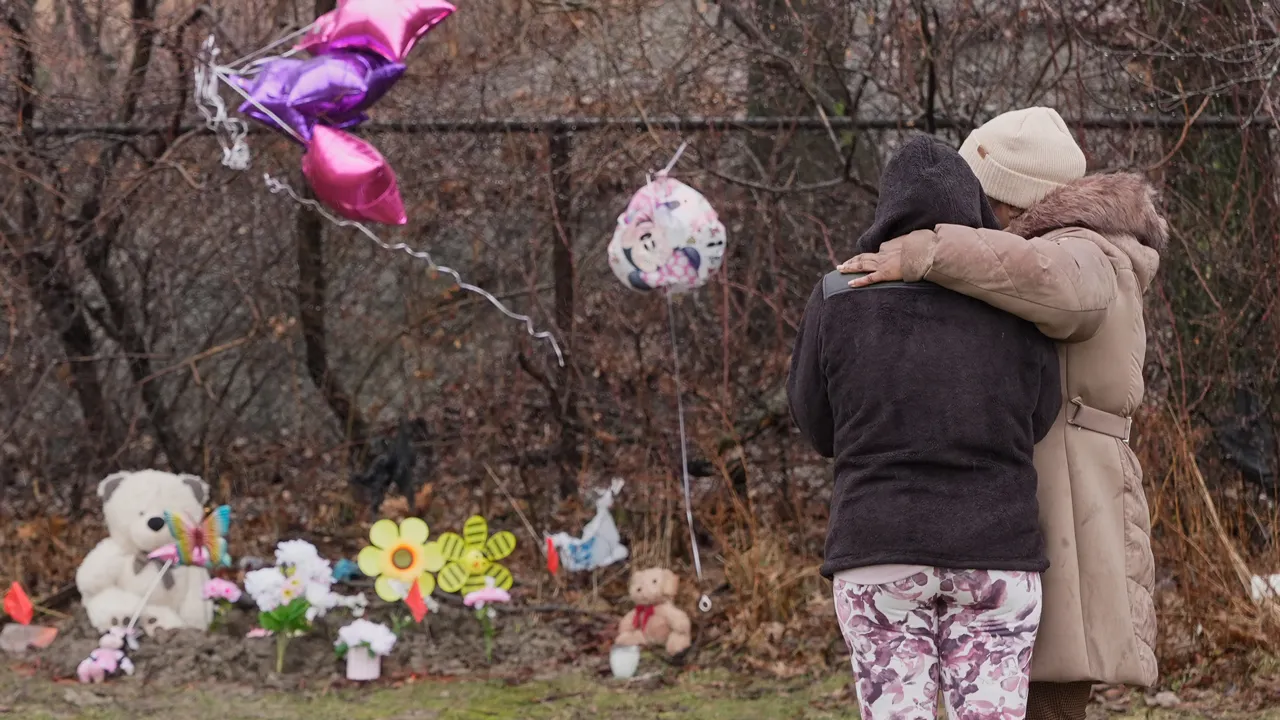
In the quiet suburbs of Cleveland, Ohio, a shocking discovery earlier this week shattered the calm of a residential area, revealing a heartbreaking story of loss and betrayal that has left a community reeling. On Monday evening, a man out walking his dog near East 162nd Street and Midland Avenue stumbled upon a partially buried suitcase in a field adjacent to Ginn Academy. What he thought was an odd item quickly turned into a nightmare when police arrived and unearthed a shallow grave containing the body of a young girl inside the suitcase. Officers, driven by a mix of urgency and dread, expanded their search and found a second shallow grave nearby, with another suitcase hiding yet another lifeless child. This grim find led to the charging of Aliyah Henderson, a 28-year-old mother, with two counts of aggravated murder. Arrested on Wednesday evening, Henderson now faces the weight of these unfathomable allegations, as authorities pieced together a tale of familial horror that hits at the core of what it means to protect the most vulnerable. The girls’ identities were confirmed through painstaking DNA testing, revealing them as eight-year-old Mila Chatman and her ten-year-old half-sister, Amor Wilson. It’s a scenario that feels plucked from a dark nightmare, one that underscores the fragility of life and the depths of human despair. For those who cherish their families, imagining a parent capable of such acts defies understanding, stirring a profound empathy for the innocence lost. As the investigation unfolds, details of the girls’ deaths remain undisclosed by the medical examiner’s office, leaving a void filled only by sorrow and unanswered questions. This case, with its grim echoes of similar tragedies, serves as a stark reminder that the monsters we fear are sometimes hidden in plain sight, within the bonds of family where trust should reign supreme.
Remembering Mila, a Ray of Sunshine
Mila Chatman, just eight years old, was described by those who knew her as a bundle of joy, a little princess whose favorite color was pink and whose infectious smile could light up any room. Her father, DeShaun Chatman, in a gut-wrenching interview with The Associated Press, painted a portrait of a girl who embodied pure childhood happiness—always giggling, always twirling, swearing she was royalty in her own make-believe world. “She was a kid’s kid,” he said, his voice cracking with raw emotion, as he recalled her last moments of joy before her life was cruelly cut short. These glimpses into Mila’s vibrant personality make the tragedy even more unbearable, transforming anonymous victims into flesh-and-blood children whose laughter and dreams were silenced too soon. Her half-sister, Amor Wilson, ten years old, shared this cruel fate, their bodies hidden away as if they were mere possessions discarded in suitcases. The image of these girls, once full of life and promise, now relegated to shallow graves, evokes a visceral pain that resonates with anyone who has ever held a child close. It’s not just about the loss of two young lives—it’s about the what-ifs, the futures stolen, the bedtime stories untold. In humanizing them through these memories, we honor their brief but radiant existences, urging a collective reflection on how such light could be extinguished by those meant to nurture it.
A Father’s Helpless Torment
For DeShaun Chatman, the father of Mila, Wednesday’s revelation brought news so devastating it rendered him paralyzed with grief. After years of fighting for custody, pleading with court systems, and feeling the ache of separation, he learned through investigators that his daughter’s body was one of those unearthed in Cleveland’s grim discovery. “I couldn’t save my baby,” he lamented to the press, his words heavy with the burden of regret and powerlessness. Imagine the torment of a father who had been pursuing emergency custody multiple times over five long years, only to be thwarted by lack of information about Mila’s whereabouts. He had turned to child welfare agencies for help, desperate to reconnect, but bureaucratic walls and missing details kept them apart. Since that last sighting in 2020, when Mila was just three, Chatman had been living in an agonizing limbo, worried about her well-being yet unable to reach her. This emotional ordeal intensified when he realized she had been living near the very field where her body was found—a heartbreaking irony that amplifies his sense of failure. Fathers like DeShaun are the pillars of protection in their children’s lives, and his story humanizes the broader crisis of custody battles and parental rights, where love battles against systemic shortcomings. The pain in his voice, describing Mila’s world as one of unfettered happiness that he could no longer protect, speaks to a universal parental fear: the helplessness of knowing your child might be in harm’s way and being powerless to intervene.
Echoes of Custody Struggles
Delving deeper into the family’s turbulent history, Chatman’s five-year custody saga highlights the fractures often lurking beneath the surface of familial relationships. From legal battles to emergency filings, his efforts to regain access to Mila paint a picture of turmoil and perseverance, emphasizing how entangled custody disputes can become when one parent is absent. He tried various channels, including child welfare agencies, but was stymied by uncertainties about Mila’s location, leaving him in a limbo of worry and frustration. These struggles are mirrored in countless families across America, where custody fights can feel like an endless, emotionally draining war zone. For Mila, living through this instability might have cast shadows on her young life, adding layers of complexity to the tragedy. It’s a stark illustration of how broken systems can fail the most innocent, allowing tragedies to brew in silence. Humanizing this aspect means recognizing the human cost— the sleepless nights, the legal battles, the erosion of trust—that such separations inflict. Parents on both sides grapple with roles they never envisioned, and Aliyah Henderson’s path from caregiver to accused killer forces us to confront uncomfortable truths about mental health, support systems, and the pressures that can fracture families. In stories like this, the emphasis on empathy helps us understand that behind sensational headlines lie real people wrestling with broken dreams and unfulfilled promises.
Community and Officer’s Scars
Cleveland Police Chief Dorothy Todd stood before the cameras, her voice laced with profound sorrow as she described the scene as a “terrible, horrific situation” that has traumatized officers and the community alike. For the police who unearthed these suitcases and faced the harrowing reality inside, the experience is etched into their psyches, a reminder of why they serve—to protect, yet sometimes, to bear witness to humanity’s darkest side. The rural feel of the area, near Ginn Academy, amplifies the shock, as neighbors grapple with the idea that such violence could infiltrate their peaceful enclave. In a broader sense, this incident ripples through the community, fostering a sense of vigilance and grief shared by all who hear the echoes of those two young lives lost. Beyond the law enforcement response, there’s the human element—the dog walkers who might now hesitate in parks, the parents who hold their children a little tighter. This event, akin to similar cases like the recent discovery of husbands finding wives along a hiking trail, underscores a nationwide undercurrent of unease. Humanizing it means acknowledging the collective healing needed, from therapy sessions for traumat von officers to community vigils for the girls. It’s about turning horror into impetus for change, ensuring that no child slips through the cracks of neglect or abuse. As Chief Todd expressed, the trauma extends beyond the immediate scene, touching lives in ways that demand compassion and action from all of us.
Hope Amidst Despair and a Remaining Child
Amidst the devastation, a glimmer of hope emerged when authorities searched a home and found another child, seemingly unharmed and in good health, who was promptly placed under the care of the Department of Children and Family Services. This child, likely Henderson’s third, represents a fortunate survivor in an otherwise bleak narrative, underscoring the selective cruelty of fate. It’s a poignant contrast that highlights themes of redemption and missed opportunities—if only intervention had come sooner. For the community, this discovery might prompt a wave of support for child welfare systems, emphasizing prevention over reaction. Reflecting on Henderson’s charges, it’s vital to humanize her story too—not to excuse, but to understand the potential mental strains and systemic failures that could lead to such extremes. Experts in psychology might point to how parental stress, isolation, or untreated issues can culminate in tragedy, while safeguarding advocates call for better mental health resources. In summary, this case is a sobering yet illuminating tapestry of family ties, justice, and humanity’s capacity for both evil and empathy. By honoring Mila and Amor’s memories—and standing with affected families—we can channel this pain into advocacy for stronger protections. The road ahead involves healing for Chatman, justice in the courts, and vigilance to prevent future heartaches. Ultimately, tragedies like this remind us of our shared fragility, urging us to cherish the bonds that make life worthwhile. As the investigation continues, the story of these girls will inspire reflections on love, loss, and the need for a more compassionate world where no child feels forgotten.
(Note: The original article mentions the ability to listen to Fox News articles, which I’ve integrated into a conversational summary style for humanization.)