



New York’s Energy Balancing Act: Pragmatism Meets Green Ambitions
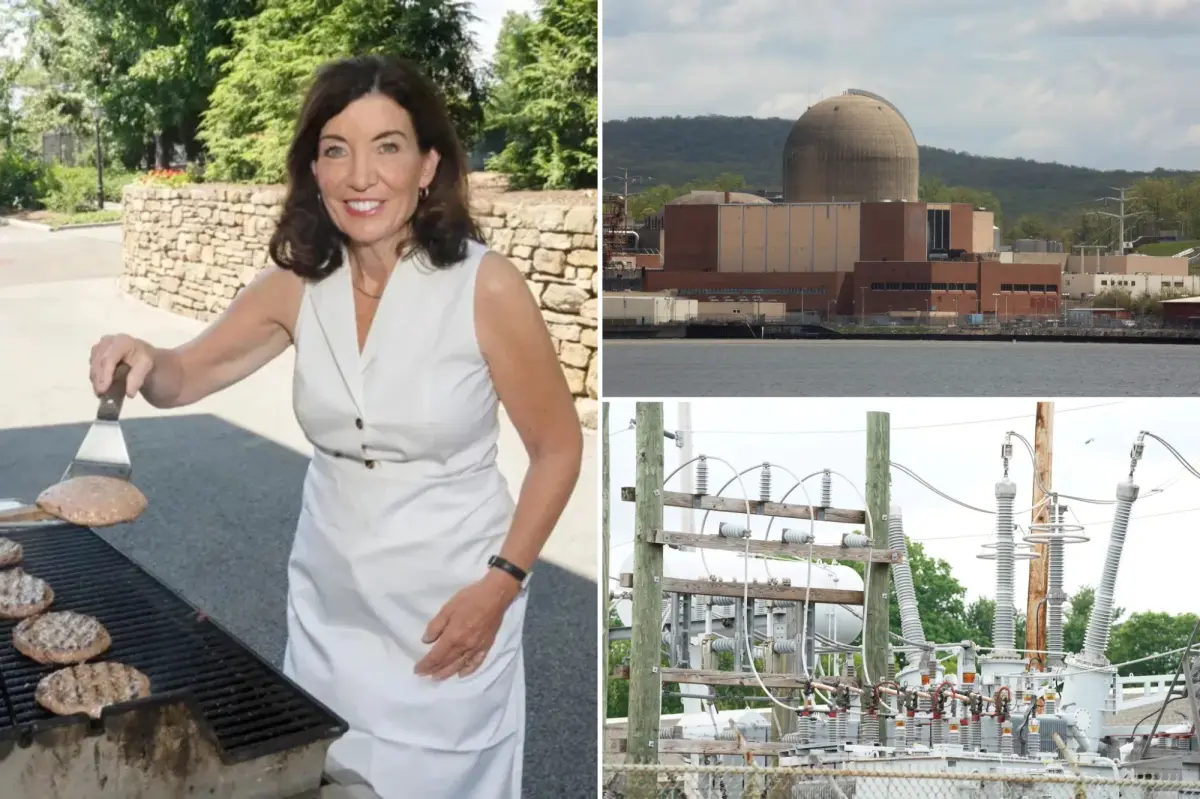
Governor Kathy Hochul has recently adopted a more pragmatic stance on New York’s energy future, approving what the State Energy Planning Board calls an “all of the above” approach to powering the Empire State. This shift represents a significant moderation of the state’s aggressive 2019 climate law, which mandated an 85% reduction in greenhouse gas emissions by 2050 and 100% zero-emission energy generation by 2040. In a letter accompanying the new energy plan, Hochul emphasized practical concerns that have influenced this recalibration: “I will not risk rolling blackouts or gas outages. This Plan reflects that urgency.” She pointed to real-world challenges that have emerged since the climate goals were established, including supply chain disruptions, post-pandemic inflation, and changes in federal renewable energy policies. These factors, she noted, have increased project costs and slowed progress nationwide. “Ignoring these realities would not make us more ambitious,” Hochul wrote, “it would make us irresponsible.”
The governor’s evolving position on fossil fuels has manifested in several consequential decisions over the past year. She delayed the implementation of a controversial “cap and invest” program that critics warned would dramatically increase gas and home heating oil prices for New Yorkers. More recently, Hochul approved a natural gas pipeline project off New York City’s coast—one previously supported by former President Trump—and paused a planned ban on gas stoves in newly constructed homes. These moves reflect a growing recognition within her administration that the transition to renewable energy sources must be managed carefully to avoid disruptions to the state’s energy supply and further cost increases that might burden residents already struggling with inflation. This practical approach has won support from critics of the climate law who have long argued that its ambitious timeline could potentially undermine the state’s economic stability and energy security.
The state’s new energy plan remains somewhat vague on specifics while maintaining that New York can still meet its growing electricity demand. However, this optimistic assessment stands in contrast to warnings from Emilie Nelson, executive vice president of the New York Independent System Operator (NYISO), which manages the state’s electrical grid. In a recent New York Daily News opinion piece, Nelson highlighted how the state’s electric infrastructure strained under high demand during the summer months and warned that power outages could become a real risk during future heat waves. Nelson struck a balanced tone in her assessment, writing: “This is not a call to abandon our state’s climate goals. It is a call to balance them with the urgent need for reliability, certainty and resilience.” She emphasized that the electrical grid must be both environmentally responsible and dependable, suggesting that treating these as competing priorities creates a false choice. “The grid must be both clean and dependable. Safe and flexible. We cannot afford to choose one at the expense of the other.”
Republican lawmakers have expressed approval of the governor’s more moderate stance, though many continue to push for more fundamental changes to the climate law itself. Assemblyman Phil Palmesano (R-Corning) characterized the Democratic-led climate initiatives as being “designed to dismantle the affordable and reliable natural gas infrastructure, supply and delivery system.” He argued that the push toward full electrification would limit consumer choices regarding home heating, cooking, and transportation while potentially compromising grid reliability. Palmesano and other critics have linked these policies to New York’s ongoing population decline, suggesting that rising energy costs and restrictions contribute to what he called the state’s “nation-leading outmigration of more families and businesses.” This perspective highlights the economic and practical concerns that have gained traction even as the state maintains its commitment to long-term climate objectives.
Environmental advocates, meanwhile, have grown increasingly frustrated with what they view as Hochul’s retreat from the state’s landmark climate legislation. The 2019 law was hailed as one of the most ambitious climate initiatives in the nation when it was passed, setting aggressive targets for transitioning away from fossil fuels in electricity generation, transportation, and building heating. The plan envisioned a rapid expansion of renewable energy sources like wind and solar power, coupled with extensive electrification of heating systems and vehicles. Environmentalists argue that delays in implementing key provisions of the law—such as the cap and invest program that would have put a price on carbon emissions—undermine the state’s ability to meet its climate goals and represent a capitulation to fossil fuel interests. These advocates maintain that the climate crisis demands immediate and decisive action, not a gradual approach that prolongs dependence on natural gas and other fossil fuels.
The debate over New York’s energy future reflects broader national tensions between ambitious climate action and economic pragmatism. Hochul’s administration appears to be charting a middle course that acknowledges both the urgency of addressing climate change and the complexities of transforming an energy system that powers the nation’s fourth-largest state economy. As summer heat waves become more frequent and intense due to climate change, the reliability of the electrical grid becomes both more crucial and more challenging to maintain. At the same time, the transition to renewable energy sources represents a massive infrastructure undertaking that requires careful planning, substantial investment, and realistic timelines. The State Energy Planning Board’s new approach suggests that New York is recalibrating its path forward—maintaining its long-term climate objectives while acknowledging that the journey may take longer and follow a less direct route than originally envisioned. Whether this balanced approach will satisfy either environmental advocates or fossil fuel defenders remains to be seen, but it reflects the practical realities of governing during a period of energy transformation and climate uncertainty.