




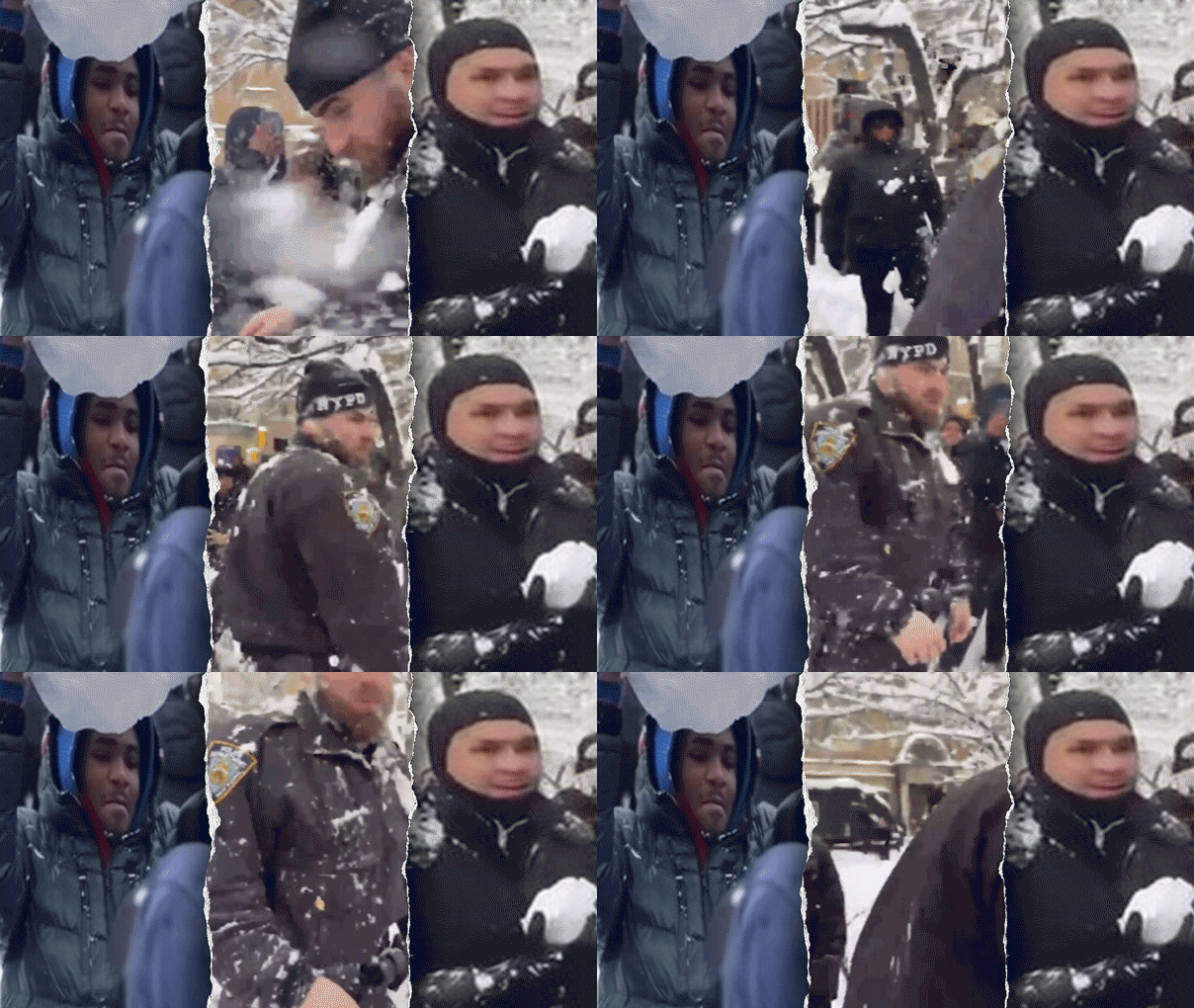
Imagine stepping into the chaotic heart of New York City on a brisk winter day, where the air bites at your skin and laughter mixes with the thud of snowy projectiles. That’s the scene in Washington Square Park last Monday, where what started as a typical police response to a disorderly crowd turned into a shocking confrontation. Two uniformed officers, just doing their job in the bustling Lower Manhattan area, approached a group causing trouble. But instead of dispersing peacefully, two men allegedly turned on them with ruthless intent. According to eyewitness accounts and NYPD reports, these individuals attacked the officers not playfully, but viciously—hurling chunks of snow and ice directly at their heads, necks, and faces. It’s the kind of winter fun gone terribly wrong, where “snowball fights” blur into real assaults. The officers, hard-working public servants, didn’t see it coming; they were focusing on maintaining order in a public space known for its vibrant, if occasionally rowdy, gatherings. The impacts left them battered and bruised, the kind of injuries that echo long after the cold fades, forcing them to seek medical attention at Greenwich Village Hospital. They fled the scene afterward, leaving the officers in pain and the city scratching its heads. As you picture this, it’s not just a news item; it’s a human story about dedication meeting senseless hostility, where the line between youthful mischief and felony-level danger gets crossed in an instant.
The NYPD, determined to bring these assailants to justice, didn’t waste time—they released photos and detailed descriptions, hoping the public would recognize them and come forward. The first suspect is described as a young man with a light complexion, dressed practically for the weather: a black jacket, a black ski mask concealing his features, and black sweatpants with white stripes down the sides. He looked every bit the anonymous figure blending into a winter crowd, but authorities believe he’s the one who initiated the attack, delivering those punishing blows. The second suspect, equally evasive, has a darker complexion and was last seen in a green jacket layered over a blue sweatshirt, with blue gloves on his hands and partial facial hair adding a bit of individuality. These aren’t faceless thugs; they could be anyone—neighbors, students, ordinary guys caught up in the moment or harboring deeper grievances. The NYPD framed this as a serious felony: assaulting an officer, which carries heavy penalties in New York City, not because snow is inherently deadly, but because targeting those sworn to protect everyone erodes the very fabric of community safety. Imagine the officers’ families at home, worrying about their safety during what should be a routine patrol. Or think of the suspects’ lives unraveling now that their faces are on wanted posters. This plea for public help humanizes the situation, reminding us that behind every headline are real people—victims and perpetrators alike—whose actions ripple through the city.
In the spotlight now is Mayor Zohran Mamdani, whose public dismissal of the incident has sparked outrage and debate. During a news conference just the next day, he brushed it off, saying it “looked like kids at a snowball fight,” implying leniency or even no charges at all. But that claim clashes sharply with the stark reality captured by NYPD photos: one image shows a man with visible facial hair hefting what looks like a massive, weaponized snow boulder, far from innocent play. It’s the disconnect that leaves people furious—how can a leader tasked with upholding justice minimize such an attack? The NYPD clarified that these weren’t children; the suspects are reportedly around 18 to 20 years old, old enough to know better, adults facing adult consequences. This isn’t just about one comment; it’s a reminder of how words from power can shape perceptions of reality. If you’re a parent, you might empathize with wanting to protect youthful energy, but as a taxpayer or someone dependent on police, you feel the sting of undermining those who wear the badge. Mayor Mamdani’s stance feels like a double-edged sword, potentially emboldening bad behavior while challenging the system to question its own biases. It’s a human drama unfolding in city hall, where ideals of empathy collide with demands for accountability.
Adding fuel to the fire, the Sergeants Benevolent Association (SBA) President Vincent Vallelong didn’t mince words, calling out the attackers for crossing an unforgivable line. He told reporters that many suspects are believed to be NYU students, though the university itself pushed back—spokesperson Joseph Tirella emphasized they’ve found no connection and expressed deep respect for NYPD’s role, condemning the assault as a grave offense. Vallelong painted a vivid picture: officers, braving not just the elements but outright hostility just for wearing their uniforms, maintaining safety in crowded places like parks where diverse crowds gather for protests or celebrations. “Today it is snowballs. Tomorrow it could be rocks, bottles, or worse,” he warned, evoking a chilling future where unchecked aggression escalates. It’s a heartfelt plea from the front lines, highlighting the emotional toll on police families who send loved ones into these volatile settings. NYPD Commissioner Jessica Tisch echoed the sentiment, labeling the attack “disgraceful” and “criminal,” urging detectives to pursue justice vigilantly—no arrests yet, but the investigation presses on. This isn’t abstract policy talk; it’s about the men and women risking everything daily, their bravery tinged with vulnerability, and the justice system’s duty to respond.
Broadening the lens, this incident ties into Mayor Mamdani’s broader record on law enforcement, revealing a pattern that’s riling critics. Headlines from the same period buzzed with his call to not prosecute a mentally ill man shot by police during a knife attack, signaling plans to disband the NYPD’s Protest Unit, and advocating higher taxes on the wealthiest to fund budgets—moves seen by some as progressive reform but by others as undermining authority. Former Governor Andrew Cuomo, a mayoral candidate himself, lambasted Mamdani on social media, accusing him of repeatedly branding police as “racist, evil, wicked, and corrupt,” setting a tone that fosters disrespect for the law. “Words have consequences,” Cuomo wrote, drawing parallels to rising antisemitism, urging the mayor to denounce such rhetoric immediately. It’s a generational divide in action, where progressive ideologies aim to address systemic issues like mental health crises and inequality, but conservative voices argue it weakens the guardians of order. As an everyday New Yorker, you might feel torn—grateful for police protection yet aware of abuses, supportive of gun violence reduction but wary of defunding efforts. Humanizing this means recognizing the fear in officers’ hearts, the struggles of underfunded services, and the aspirations for a fairer city, all colliding in heated debates.
In wrapping up this unsettling tale, one can’t help but reflect on the fragility of urban life and the need for balance. No arrests have been made as of now, leaving the community on edge, watching for more clues. The NYPD’s release of photos is a proactive step, fostering civic duty in identifying these men, but it also exposes deeper tensions—generational clashes between “kids” having fun and adults accountable for harm, political divides on policing, and societal pressures pushing people toward confrontation. Tales of nearby headlines, like the mayor’s stances on mental health and equity, hint at a city grappling with change, where voices clamor for transformation amidst safety concerns. Perhaps it’s a wake-up call to engage more empathetically, to humanize our interactions before they turn icy. If you’re listening to Fox News on your commute or at home, as the new audio feature allows, let this story prompt thought: behind the snow and ice, it’s about respect, responsibility, and rebuilding trust in our shared streets. The officers recover, the city moves on, but lessons linger—urging us to choose words and actions that build bridges, not barriers. In the end, New York’s resilience shines through, reminding everyone that even in discord, there’s hope for unity and understanding.