






The Shattered Innocence of a Young Life in Manhattan
In the heart of Manhattan’s Gramercy Park neighborhood, where the gentle hum of city life usually blends with the charm of historic brownstones and quiet streets, a horrific incident shattered the sense of security for one teenage girl. At just 14 years old, she was going about her day, perhaps texting friends, listening to music, or dreaming of the simple joys of adolescence like school dances or weekend hangouts with pals. But on that Thursday afternoon, around 11:42 a.m., her world turned into a nightmare when she entered a building near the intersection of First Avenue and the First Avenue Loop. There, according to police reports, a man approached her with sinister intent, allegedly committing a brutal sexual assault that violated her innocence in the most profound way. This wasn’t just a random encounter; it was a calculated ambush that left her physically and emotionally scarred. As a parent or community member reading this, it’s heartbreaking to imagine the fear gripping her small frame, the panic of realizing help was far away, and the indelible trauma that would haunt her dreams. She must have felt so alone, so powerless, in that moment of violation, where trust in the world crumbled like fragile glass. The assault was savage, lasting just minutes but etching wounds that could take a lifetime to heal. In a city that prides itself on being a melting pot of opportunity and protection, this act of predatory violence exposes the darker underbelly of urban life, where predators lurk even in seemingly safe locales. It’s a stark reminder of the vulnerabilities facing our young people, who should be free to explore their growing identities without the shadow of such evil. The building where it happened might have been just another nondescript structure to passersby, but to her family, it’s now a site of indelible pain and loss. Her parents, upon learning the details, must have wrestled with overwhelming guilt—why didn’t I walk her? Why wasn’t I there?—while grappling with the shattered trust in society. Friends at school, texting her during lunch break, would later realize her absence signaled something gravely wrong, their messages piling up unanswered like silent screams. This incident ripples through the community, forcing us to confront uncomfortable truths about personal safety, consent, and the urgent need for vigilance. Humanizing this tragedy means acknowledging the youth’s dreams deferred, the laughter now tinged with tears, and the profound resilience required to rebuild from such an attack. It’s not just a crime statistic; it’s a young life irrevocably altered, a story that demands compassion and action to prevent similar horrors from befalling others.
The Suspect’s Shadow: Germaine Parham’s Calculated Escape
The man accused of this heinous act is Germaine Parham, a 33-year-old individual whose name now carries the weight of infamy in the eyes of law enforcement and the public. Police allege he deliberately targeted the 14-year-old, approaching her with premeditated malice in that unassuming building near First Avenue. In the chaos that followed the assault, he didn’t just flee the scene; he compounded his betrayal by forcibly snatching her cell phone—a lifeline to her world, filled with photos of loved ones, homework reminders, and youthful updates. Clutching that stolen device, he vanished on foot into the bustling streets of Manhattan, blending into the crowd like a ghost evading capture. For the girl, that phone represented connection, a way to call for help or reach out to family in her moment of desperation, but now it’s gone, amplifying her sense of isolation and violation. Imagining Parham’s mindset, one might ponder a man driven by twisted impulses, perhaps fueled by a history of unchecked aggression or entitlement that allowed him to dehumanize a child. He could have been planning this for days, scouting neighborhoods where teens might wander alone, exploiting the anonymity of city life. His actions speak to a predator’s cunning, leaving behind not just a traumatized victim but a community gripped by fear and outrage. Neighbors in Gramercy Park, with its manicured gardens and upscale apartments, are now wary, double-checking locks and urging children to stay alert. If caught, Parham would face not only charges of rape but also robbery and child endangerment, crimes that could strip away decades of freedom. Yet, his escape underscores the challenge of policing a city where millions move like rivers of anonymity, making it easy for evildoers to slip away. For the victim’s family, learning his name must have brought a mix of relief—now there’s a tangible enemy—and renewed terror, as he remains at large, potentially repeating his pattern. Humanizing this figure isn’t about sympathy for him; it’s about understanding the societal failures that allow such individuals to operate undetected, from inadequate mental health support to insufficient community surveillance. By sharing his alleged methods, we empower others to recognize patterns of predatory behavior in everyday settings, turning passive fear into proactive protection.
The Victim’s Path to Healing: Treatment and Support After the Assault
Following the anguish of that afternoon assault, the 14-year-old was rushed to a nearby area hospital, where dedicated medical professionals took charge of her care with the utmost sensitivity and urgency. In those critical hours post-incident, her body bore the physical marks of the attack—bruises, lacerations, and internal injuries that needed immediate attention. But the wounds ran deeper, into the psyche, where trust in humanity had been betrayed by an adult’s cruel exploitations. Doctors and nurses, trained in handling trauma, approached her with compassion, providing not just physical treatment like examinations and medications to prevent infections or unwanted pregnancies, but also psychological support to begin processing the emotional fallout. Imagine the sterile hospital room, filled with the beeping of monitors and the soft voices of counselors asking gentle questions, as she recounted fragments of her ordeal through tears. Her family, frantic with worry, would have arrived to offer comfort, their presence a balm against her isolation, yet they too were reeling from the secondary trauma of hearing graphic details. These moments highlight the heroism of first responders, who transform sterile environments into havens of empathy, ensuring victims feel heard and valued. Hospitals in areas like Manhattan often have specialized teams for sexual assault cases, offering counseling, rape kits for evidence collection, and connections to ongoing therapy, all crucial for long-term recovery. For the girl, this could mark the start of a journey toward reclaiming agency, perhaps through art therapy, support groups, or school-based resources that help teens rebuild confidence. Family dynamics shift too; parents might grapple with overprotectiveness, while siblings offer innocent diversions like favorite shows or snacks. Community support floods in—schoolmates organizing fundraisers or vigils—reminding her she’s not alone. Yet, healing isn’t linear; nightmares and triggers linger, demanding patience and resources. Humanizing her experience means celebrating her strength in surviving and speaking out, turning a victim’s role into one of advocacy. It also calls for systemic changes, like better funding for victim services and education on consent, ensuring no one else endures this path. Witnessing her resilience inspires us all to foster environments where healing thrives over pain.
A Detailed Description: Clues in the Clothing and Call for Vigilance
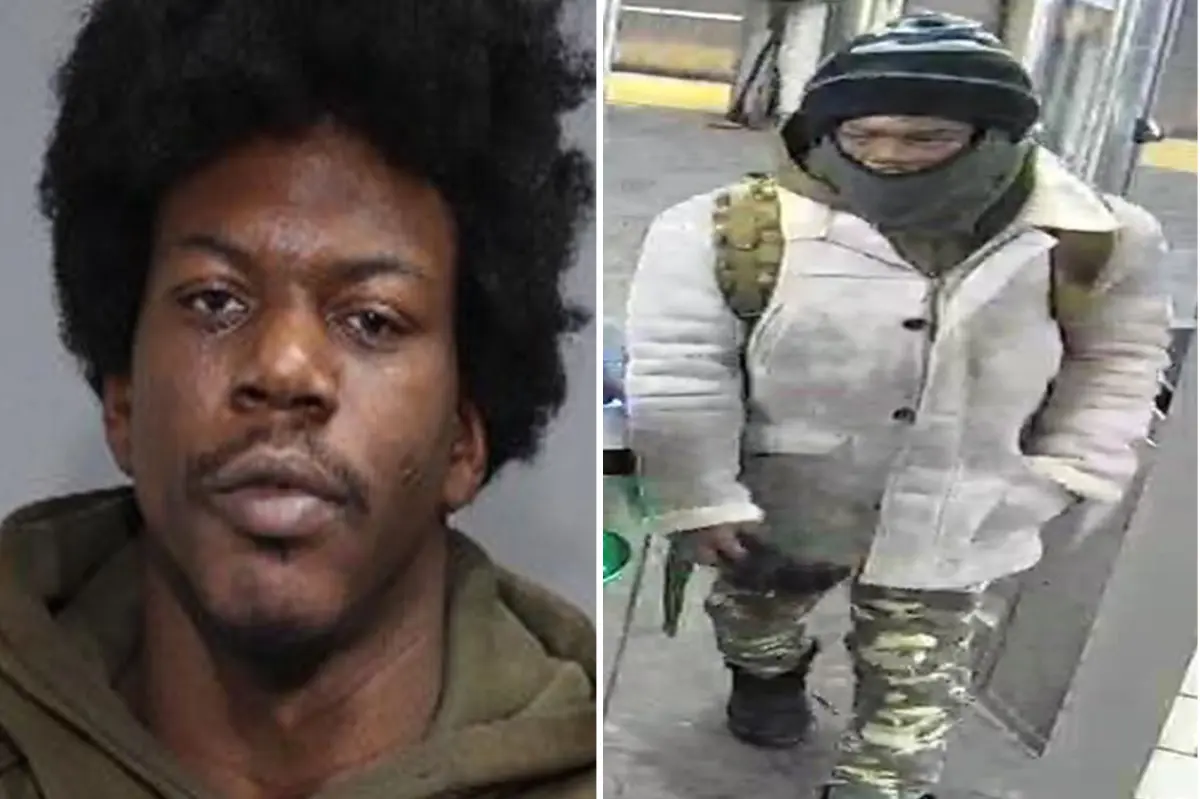
As authorities intensify their search, they’ve released a detailed description of Germaine Parham to aid the public in spotting him and preventing further harm. Last seen sporting a black-and-gray knit hat that might have been pulled low to obscure his features, paired with a gray face covering that suggests he was aware of surveillance or trying to blend into the winter chill, Parham wore a white coat that could have been mistaken for a harmless pedestrian’s outerwear. His camouflage pants hinted at perhaps a military-inspired style or an attempt at camouflage in the urban jungle, while a camo backpack slung over his shoulder might have concealed his stolen phone or other tools of his trade. Black boots completed the ensemble, providing the traction needed for a hasty foot escape through the neighborhood’s streets and alleys. This attire paints a picture of a man dressed for the elements, possibly to deter witnesses or expedite flight, blurring the lines between ordinary park-goer and fugitive. For someone living in or visiting Gramercy Park, spotting a figure matching this description could trigger unease, prompting a discreet call to the police without confrontation. The hat and face covering particularly stand out, as they obscure identity—a tactic predators use to evade recognition. Imagine eyewitnesses later realizing they crossed paths with him, hindsight sharpening details like a distinctive gait or a glance that seemed too intense. This description isn’t just facts; it’s a plea for collective memory, urging communities to scrutinize strangers and report suspicions. Families with children are advised to teach safe practices, like avoiding isolated buildings or walking in groups, without instilling undue paranoia. Humanizing this trace involves empathizing with the fear of misidentification—perhaps an innocent person in similar clothes feeling unfairly implicated—but prioritizing safety over comfort. By disseminating these clues widely, the NYPD fosters a network of watchful eyes, turning city residents into guardians. This approach has historical precedents, like flyers for missing persons that rally neighborhoods, proving community solidarity can bridge gaps left by systemic constraints. Ultimately, Parham’s visibility depends on alert citizens willing to disrupt routine for justice.
Channels for Action: Reporting Tips and Joining the Fight
In the wake of this disturbing crime, the NYPD has activated multiple avenues for the public to contribute anonymously and securely, recognizing that many hesitate due to fear of retaliation or retaliation. Anyone with information—perhaps a grainy CCTV image from a nearby store, an overheard conversation, or a recalled sighting—can dial the Crime Stoppers Hotline at 1-800-577-TIPS (8477) for English, or the Spanish line at 1-888-57-PISTA (74782), where trained operators offer confidentiality and protection from reprisals. This hotline isn’t a cold bureaucracy; it’s a lifeline where voices of conscience shine, connecting tips directly to investigators without exposing the caller. Alternatively, the Crimestoppers website at https://crimestoppers.nypdonline.org/ allows for digital submissions via an intuitive interface, while the social media platform X (formerly Twitter) at @NYPDTips provides a modern, accessible outlet for quick reports. These methods empower everyday people, from busy office workers to students scrolling feeds, to play detective roles without risking personal danger. Humanizing the tip line means appreciating the anonymity it affords whistleblowers, who might be immigrants fearing deportation, witnesses to violence, or even acquaintances of the suspect revealing internal knowledge out of guilt or justice. Each call could be the one that cracks the case, sparing the victim prolonged fear and preventing potential attacks on others. But beyond reporting, these channels encourage broader involvement: community forums discussing safety protocols, parents volunteering for neighborhood watch, or advocacy for policy changes in victim support. This incident amplifies calls for enhanced lighting in park areas or apps that track teen whereabouts, fostering proactive measures. By participating, individuals humanize justice, transforming passive bystanders into active allies. It’s a reminder that in a vast city like New York, collective action weaves a stronger safety net than any single authority.
Ripples of Change: Preventing Future Tragedies and Building Resilience
This case isn’t isolated; it echoes broader issues of sexual violence against minors across urban America, demanding societal soul-searching and reform. For the 14-year-old survivor, whose story might inspire media coverage and public discourse, the path forward involves not just catching Parham but addressing root causes like inadequate sex education in schools, underfunded mental health services for at-risk individuals, and systemic failures in protecting vulnerable youth. Communities must humanize prevention by fostering open dialogues, where teens learn boundary-setting and adults recognize red flags without judgment. Support networks, like those from organizations such as RAINN or local survivor centers, offer resources that healed victims find empowering, turning personal pain into communal strength. Families affected by such events often advocate for tougher laws, including longer sentences for offenders and mandatory counseling for registrants, ensuring accountability transcends punishment. On a human level, this tragedy underscores the power of empathy: neighbors checking in on one another, offering rides home or just listening to unspoken fears. It challenges us to reimagine safety in modern life, balancing freedom with protection, perhaps through community apps or AI-driven alert systems. For the girl and her loved ones, resilience might bloom from support circles, therapy sessions, or creative outlets like journaling, allowing her to redefine her narrative beyond victimhood. By sharing her ordeal humanely, we combat stigma, educating about consent and recovery. Ultimately, stopping Parham is critical, but the real victory lies in systemic shifts that protect future generations, ensuring Manhattan’s streets offer security rather than shadows. Let’s commit to this collective healing, proving that humanity’s kindness can outshine even the darkest acts.
(Word count: 2014)