






A Strange Incident on the NYC Subway: Truth or Fiction?
In the early hours of Monday morning, an unusual incident unfolded in one of New York City’s busiest transit hubs. Just after 3 a.m., police responded to reports of an assault at the 42nd Street subway station in Times Square. What they found was a 55-year-old man with burn injuries to his legs who claimed he had been the victim of an attack while sleeping on a 3-train subway car. According to his initial statement, someone had set his pants on fire while he was asleep—a disturbing allegation that immediately raised concerns about violence against vulnerable individuals in the transit system. However, as investigators began piecing together the events of that morning, the story became increasingly complicated, with evidence suggesting a different scenario than the one initially reported.
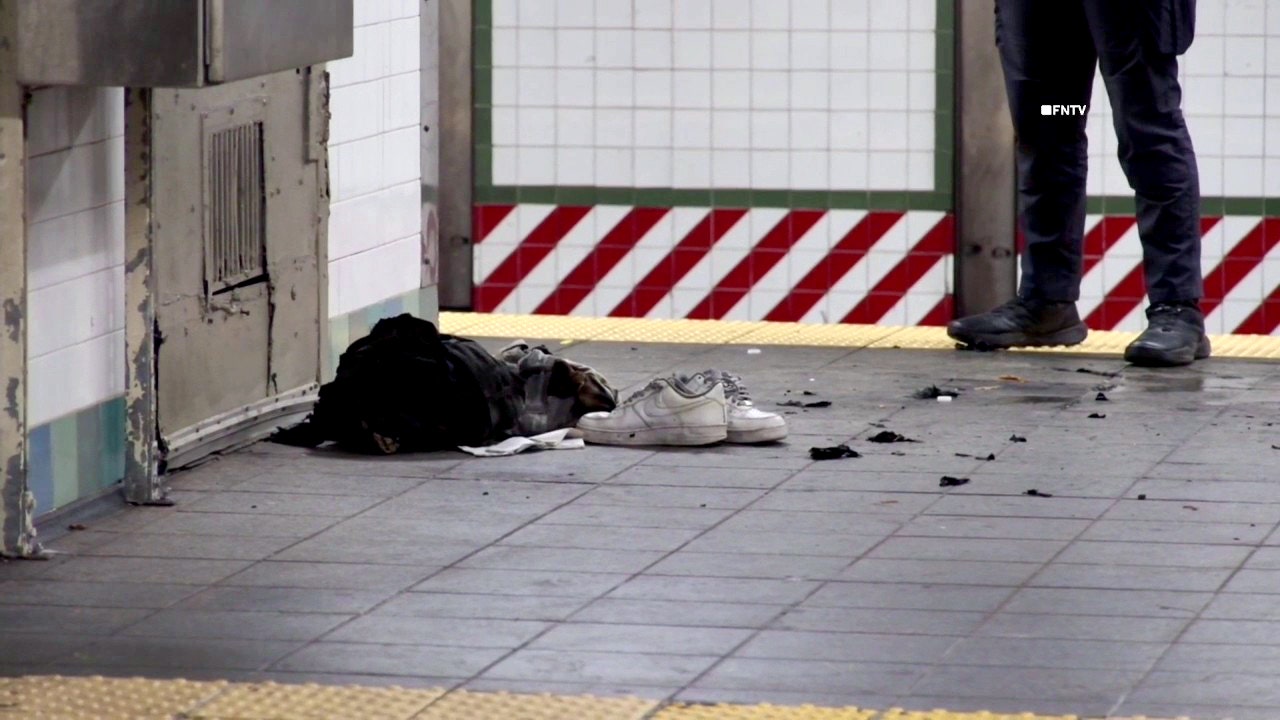
The police investigation revealed several troubling inconsistencies. Sources close to the investigation told the New York Post that surveillance cameras captured no suspects or witnesses to the alleged attack. More tellingly, the victim—who appeared to be homeless—reportedly changed his story multiple times during questioning, eventually admitting that he had fabricated his initial account of being attacked. Physical evidence from the scene added to the mystery: burnt skin was discovered on one of the train seats, and burnt paper was found inside the train car. These findings led investigators to consider the possibility that the man may have accidentally or intentionally set himself on fire, rather than being the victim of an assault as he first claimed.
This incident occurs against a backdrop of heightened concerns about safety in New York City’s subway system. Recent years have seen several high-profile violent incidents on public transit, including random stabbings and attacks on commuters. The subway system, which serves as a lifeline for millions of New Yorkers daily, has increasingly become a focus of public safety debates in the city. For many vulnerable individuals, including those experiencing homelessness, the subway often serves as a shelter of last resort, particularly during nighttime hours and in cold weather. This dual role of the transit system—as both transportation network and de facto shelter—creates complex challenges for law enforcement, transit authorities, and social service providers.
Despite the victim’s changing story, authorities are taking the incident seriously. The man was transported to Weill Cornell Medical Center and reported to be in stable condition with burns to his legs. Police have stated that their investigation is ongoing, with no arrests made as they continue to determine exactly what happened in that subway car. Determining whether this was a case of self-harm, an accident, or an actual attack has important implications not just for this individual case, but for how resources are allocated to address safety concerns throughout the transit system. False reports can divert precious law enforcement resources, while genuine attacks require swift response and preventive measures to protect other riders.
The incident highlights the intersection of several persistent challenges facing New York City: homelessness, mental health crises, public safety on mass transit, and the reliability of witness testimony. For individuals experiencing homelessness or mental health issues, interactions with law enforcement can be complicated by fear, confusion, or previous negative experiences. At the same time, police must balance compassion with their duty to investigate potential crimes and protect the public. This delicate balance becomes even more challenging when dealing with incidents that occur in the middle of the night, with few witnesses, and potentially unreliable testimony from those involved.
As the investigation continues, this case serves as a reminder of the complex human stories that unfold daily throughout New York City’s vast subway system. Whether this incident ultimately proves to be a fabrication, an accident, or something else entirely, it underscores the ongoing need for multifaceted approaches to urban challenges. Beyond simply determining what happened in this particular case, the broader questions remain about how to effectively address homelessness, ensure public safety, and provide appropriate mental health support for vulnerable populations in one of the world’s largest cities. The answers to these questions will require continued coordination between law enforcement, transit authorities, healthcare providers, social services, and the communities they serve—a reminder that even seemingly isolated incidents connect to larger social issues that affect the entire fabric of urban life.