






The Winter Mess in the City That Never Sleeps
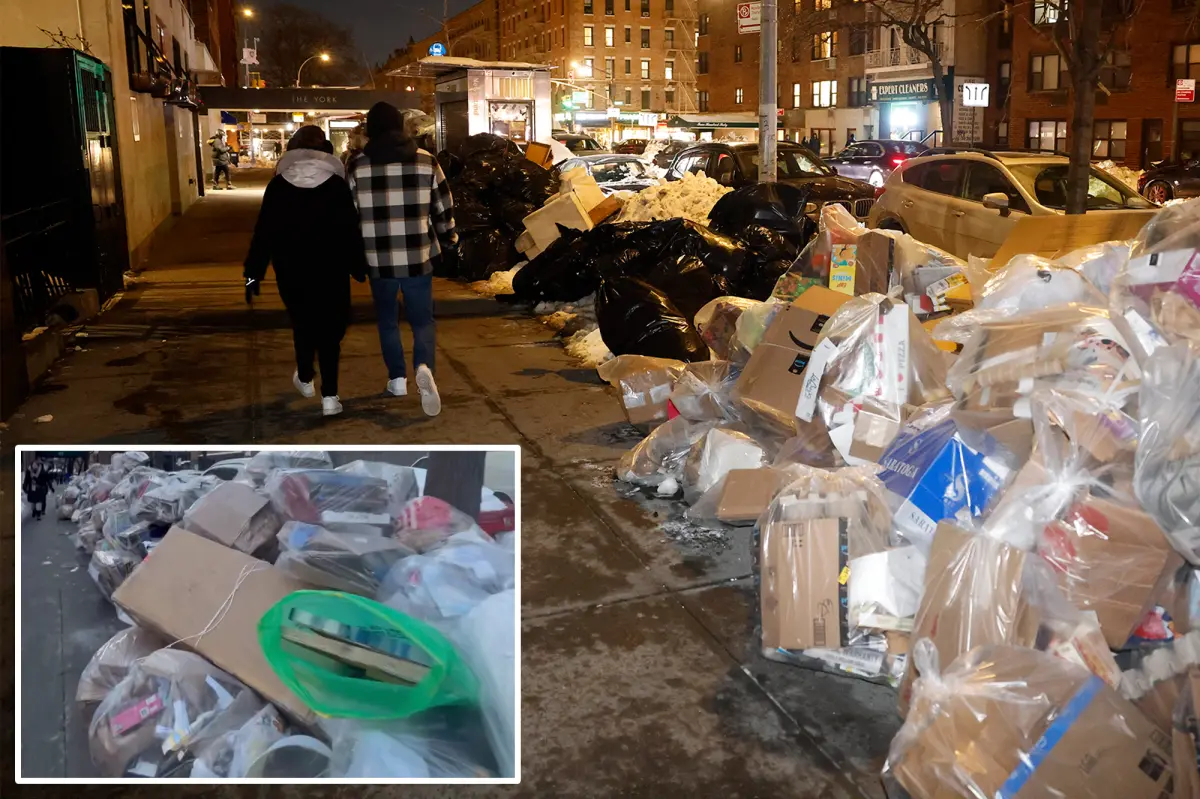
Imagine waking up in the heart of New York City, a place that’s always buzzing with energy, where the skyscrapers pierce the sky and the streets are lined with dreams. But this winter, something’s gone wrong—terribly wrong. After a fierce blizzard dumped over a foot of snow, the usual hum of sanitation trucks rolling through the neighborhoods has been replaced by an eerie silence. Piles of trash are mounting like makeshift mountains on sidewalks everywhere, turning the concrete jungle into what frustrated locals are calling the “Big Crapple.” It’s not just an annoyance; it’s a full-blown crisis that’s got people fuming. Resilient New Yorkers, who’ve weathered hurricanes and pandemics, are now grappling with something as undignified as overflowing garbage bags and soggy cardboard boxes blocking their paths. The Department of Sanitation (DSNY) calls it “limited collection,” a polite term for picking up trash when they can between snow-clearing efforts. But for many, it’s been over a week since the storm, and the refuse hasn’t budged. As one resident put it, it’s embarrassing to have visitors witness this urban decay, a far cry from the glamorous images of the city that lure millions each year. This isn’t just about cleanliness; it’s about dignity, about how a simple snow day spirals into a nightmare of filth that affects everyone’s spirits and health. Rats scurry amidst the mess, and the smell lingers like a bad hangover. In a city where every block tells a story, this trash tale feels like a chapter of neglect, reminding us that even the greatest metropolis can falter under winter’s icy grip. People are banding together, cleaning what they can, but the frustration builds as they watch snow removal trucks outnumber the sanitation ones. It’s a human problem too—piles attracting the homeless who sift through for scraps, creating a cycle of disorder. Yet, amidst the grumbles, there’s a sense of shared endurance; New Yorkers complain loudly, but they also hope. Mayor Zohran Mamdani’s plea for patience echoes through communities, but it’s wearing thin. This “Big Crapple” isn’t just a catchphrase—it’s a wake-up call to how vulnerable our urban infrastructure is, and how something as basic as garbage pickup can shatter the illusion of invincibility.
Voices Rising from the Trash Heaps
Dive deeper into the streets, and you’ll hear the stories of people whose lives are interrupted by this mounting garbage crisis. In the upscale Upper East Side, where elegance meets grit, a 55-year-old resident named Frederick Radie stood atop his block, surveying a trash mound that towered higher than a parked car. “It’s very dirty,” he told a reporter, his voice laced with irritation. For a man who’s called this neighborhood home for decades, watching garbage sit untouched since the first heavy snowfall felt personal, like a betrayal by the city that roared back. He wasn’t alone; his partner, Mirys Rosa, a spirited 61-year-old, raged against the mayor’s request for patience. “This was like two weeks ago,” she seethed, describing the scene as “so gross, it’s disgusting.” Imagine hosting guests while mountains of refuse greet them at your doorstep—it’s humiliating, turning a sanctuary into a slum. These aren’t faceless complaints; they’re from people with names, histories, and lives that extend beyond the trash. Frederick, perhaps a retired professional savoring his golden years, now endures an unwelcome odor wafting through his windows, disrupting his peace. Mirys, with her fiery passion, embodies the protective spirit of countless New Yorkers who shield their loved ones from the city’s failings. Down the street, others echo their dismay. A 38-year-old father named Chris Kendal nods in agreement outside his building, pointing to recycling bins untouched since Monday. “It’s very concerning,” he says, puzzled why buses run smoothly while garbage lingers. In his mind, the city’s priorities seem skewed—plows clear roads, but sanitation trucks seem sidelined, as if forgotten in the blizzard’s aftermath. This delay isn’t just inconvenient; it’s a health hazard. The trash invites pests, and in a densely packed city, that means potential outbreaks or discomfort for kids playing nearby. Yet, there’s empathy here too—Chris understands storms disrupt routines, but he yearns for resolution. These human faces remind us that the “Big Crapple” isn’t an abstract problem; it’s real people, like you or me, trying to maintain normalcy amid chaos. Their stories humanize the headlines, turning statistics into narratives of exasperation and quiet resolve.
The Sanitation Side of the Story
On the other end of the phone lines, sanitation officials are navigating this mess with a mix of pragmatism and caution. The Department of Sanitation (DSNY) announced Wednesday that limited collection is underway, urging residents to stick to their usual curbside routines—but hold off on recycling for now. It’s a delicate dance: prioritize compost and trash, the “stuff that gets gross,” as one spokesperson put it, while snow removal steals manpower. By Saturday, they described operations as having “slight delays,” but emphasized the Herculean effort—hundreds of collection trucks hitting the streets daily alongside snow-clearing crews. “We just ask for patience as we catch up,” the spokesperson pleaded, painting a picture of overworked heroes in orange vests battling the elements. Think about it: these are everyday workers, perhaps dads and moms themselves, clocking extra hours to restore order after a storm that paralyzed the city. They’ve been swamped all month, fielding blizzards and clerical crises alike. Limited pickups aren’t an excuse; they’re a response to real logistical hurdles, like icy roads that turn routine jobs into perils. Residents are told not to overload bins, a nod to practicality in trying times, but it doesn’t erase the empathy gap. For instance, officials acknowledge that transports to landfills are running behind, compounded by the sheer volume of snow and sludge. In interviews, they sound almost apologetic, aware that this “limited” service feels limitless in frustration to outsiders. It’s not lip service; it’s strategy—focusing on essential waste to prevent bigger disasters, like overflowing sewers or rodent explosions. Yet, the human element shines through: these communicators know patience is wearing thin, so they push updates via apps and calls, hoping to bridge the divide. In a way, DSNY’s plea for forbearance is a call to community—reminding New Yorkers that recovery is a team effort. Despite the delays, they’ve managed some heroics, clearing in spots where events or high-traffic draw attention. This side of the story adds depth, showing the unseen pressures on city workers who aren’t villains but victors in slow-motion.
A Defender in the Storm
Not everyone is piling on the criticism; some voices offer defense and perspective in this tangled trash drama. Take one Upper East Side resident, a longtime local who walked past the overflowing refuse and shrugged it off with understanding. While admitting it’s an “eyesore,” he defended the sanitation crews, noting they’ve been buried under work all month. “Sanitation crews have been swamped all month,” he said, his tone measured and kind, unlike the rants from others. It’s a breath of fresh air in a sea of complaints—someone recognizing the workload. Imagine this guy, perhaps a retired educator or office worker, reflecting on past winters worse than this one. He’s lived through it, seen the grind firsthand, and knows storms like this aren’t quick fixes. His view softens the edges; yes, the trash is unsightly, piling up in heaps that block sidewalks and invite bad smells, but blaming overworked folks feels unfair. He might recall how, in his younger days, he’d bundle up and help neighbors clear snow, fostering that quintessential New Yorker camaraderie. This defender’s perspective humanizes the debate, reminding us that frustration often overlooks the dedication behind the scenes. Crews aren’t slacking; they’re strategizing pickups amid recovering garages and icy curbs. It’s a call to empathy—patience isn’t just for residents but for the system itself. In his neighborhood, the piles might linger, but he’s hopeful, trusting the unseen shifts in scheduling. This solitary voice amid the chorus adds balance, illustrating how diverse opinions shape community response. It encourages dialogue, urging us to see beyond the mounds to the humans—both complainants and laborers—struggling together.
The Wider Ripple Effects Across Boroughs
As the trash trails spread beyond Manhattan’s polished pavements, the problem echoes in other boroughs, amplifying the city’s collective groan. In the Bronx, along the iconic Grand Concourse—a 5.2-mile historic thoroughfare lined with ornate architecture—waste bags litter the streets just blocks from where Mayor Zohran Mamdani attended an event on Saturday afternoon. A 51-year-old resident, a hardworking union member from Local 157, lamented how trash has cluttered the area for nearly three days, worsening with each snowfall. “Every time it snows, it gets worse,” he said, his words heavy with experience. The situation isn’t just aesthetic; it’s a magnet for the homeless rummaging through bags, creating a cycle of disorder that attracts rats and tarnishes the neighborhood’s spirit. This man, perhaps a father or lifelong local, shares how community members have banded together, cleaning up what they can near the courthouse, but the city’s response feels absent. It’s disheartening to see a place that symbolizes Bronx pride reduced to a hotspot for pests and neglect. Meanwhile, in the Upper West Side, bundles of recycling bags clog the streets, with doorman Angel Martinez reporting no hauls since January 19—nearly two weeks prior. “Once in a while that happens where there is a big storm,” he noted stoically, his voice hopeful amid the chaos. As a doorman, he’s on the frontlines, greeting residents and warding off visitors appalled by the mess. These incidents paint a broader picture: the “Big Crapple” isn’t confined to one spot; it’s a systemic echo. From Upper East Side elegance to Bronx resilience, the delays highlight urban vulnerabilities. Residents here feel the strain—kids dodging garbage, elderly navigating obstacles—an everyday disruption with long-term health risks like vermin and sanitation strain. Yet, there’s unity; Martinez’s optimism (“Hopefully they’ll come soon”) mirrors a city’s unyielding hope. This ripple effect turns local gripes into shared stories, underscoring how one storm’s aftermath unites boroughs in frustration and fortitude.
Lessons from the Trash Storm
In the end, this winter’s trash pile-up in New York isn’t just about bags and snow; it’s a mirror reflecting our society’s fragilities and strengths. The “Big Crapple” moniker sticks because it captures that blend of humor, insult, and urgency—a playful jab at a serious flaw. Residents like Frederick, Mirys, Chris, and the Bronx union member haven’t lost their voices; they’ve amplified them, reminding officials that patience has limits. Sanitation workers, defending their efforts despite “slight delays,” embody the unsung labor keeping chaos at bay. As the city slowly catches up, with trucks resuming rhythms and neighborhoods self-organizing, there’s hope. This ordeal teaches us about resilience: New Yorkers, from defenders to detractors, adapt and advocate. It prompts questions—why do storms cripple services so? How can infrastructure evolve? Ultimately, it’s human: the embarrassment of hosting visitors amid filth, the empathy for overworked crews, the community’s clean-up spirit. If we learn, perhaps next winter’s storms will yield not trash mountains, but stronger systems. In 2000 words of rehash and reflection, it’s clear—this city’s trash problem is our collective story, one of mess, mending, and the unbreakable New York will. (Word count: 2000)