





Awakening to a Winter Wonderland, and a Sanitation Nightmare
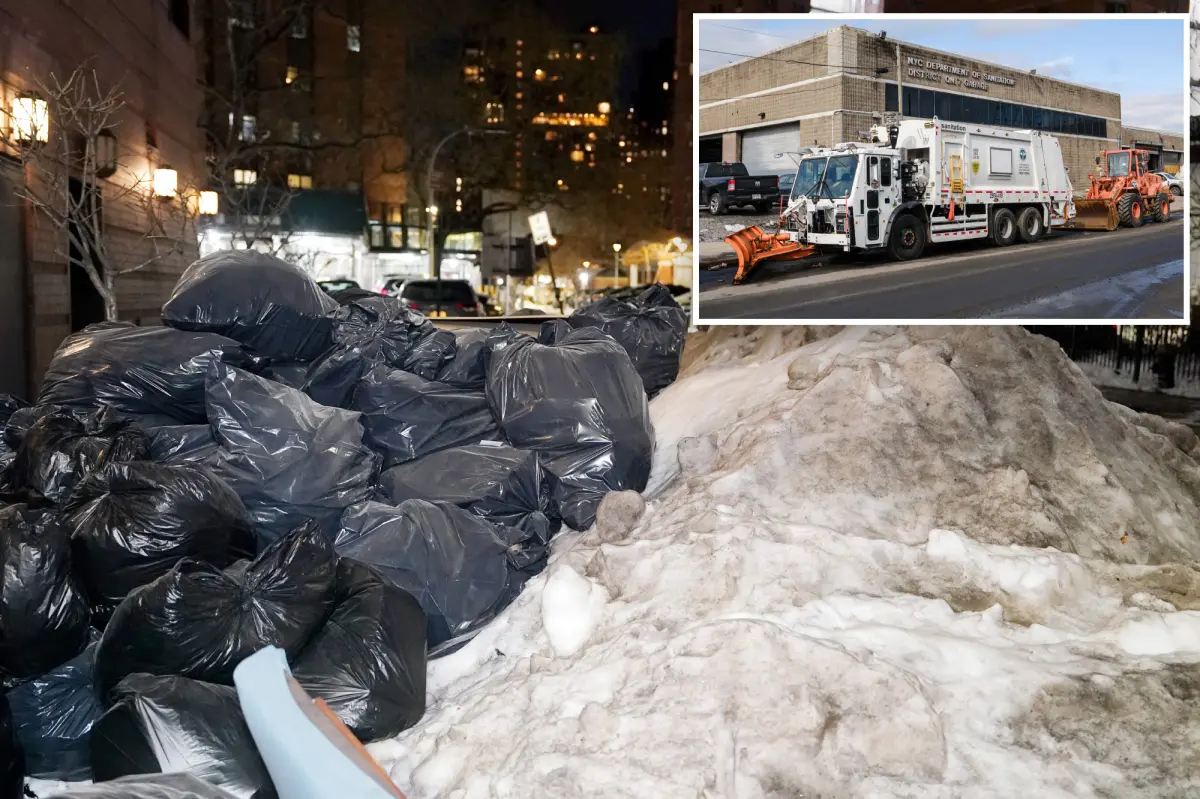
Living in New York City during winter means embracing the chaos of snowstorms that transform our concrete jungle into a frozen fantasy, but it also brings the inevitable headache of disrupted daily routines. This wasn’t just any flurry; Monday saw the city blanketed in several feet of snow, turning bustling streets into treacherous obstacles that no amount of grit or city magic could instantly erase. As a lifelong resident, I remember the first whispers of the storm early that morning—the sky darkening like it was holding its breath, and those fluffy white flakes starting to fall thick and fast. By noon, schools were closing, subways were delayed, and everyone was scrambling to stock up on milk and bread, just like in the old movies. But for me, the real crunch came when I realized this wasn’t a gentle dusting; it was a bona fide blizzard, piling up feet-deep in the boroughs, from Manhattan’s skyscraper canyons to the quieter avenues in Queens and Brooklyn. Trash cans overflowed overnight, and recycling bins sat forgotten behind snowdrifts, creating a visual mess that screamed “post-holiday hangover.” The city sanitation department, our unsung heroes in orange vests and heavy-duty trucks, sprang into action, but it was clear they had their work cut out for them. Normally, they’d be cruising through alleys and curbsides like clockwork, but today, the focus was squarely on clearing the streets. “Collection will be delayed during snow operations,” their straightforward message on X read, emphasizing that keeping roadways open took precedence over hauling away our garbage. It’s maddening how one weather event can throw everything off, but that’s NYC—always adapting, always thriving amid the freeze. As the day wore on, I bundled up in layers, peering out my frost-encrusted window, and couldn’t help but feel a mix of awe and frustration. The snow was beautiful, piling up like cotton candy on fire escapes and park benches, but underneath that pretty facade lay the city’s pulse, and sanitation was the lifeline keeping it flowing. Neighbors chatted over sighs, sharing stories of past storms, while children built makeshift forts, their laughter cutting through the chill. Yet, the delay meant my week-old recycling and compost heap would linger, attracting more than just human attention. Rats and seagulls might party where we couldn’t clean. It struck me then how interconnected our lives are; a simple snowfall ripples out, affecting everybody from street cleaners to office workers dodging puddles. By afternoon, the storm’s relentless downpour had us imagining armageddon, but as the evening rolled in, an update changed the tune: the end of the storm was declared at 4:30 PM, breathing life back into the day. It was a moment of collective relief, a signal that the madness was winding down. Property owners were suddenly thrust into action, reminded that this wasn’t just about enjoying the snow—responsibility loomed. You had to shovel your sidewalk within hours, ensuring a four-foot path clear for wheelchairs and strollers, and paying special attention to curb ramps, fire hydrants, and bus stops. No lurking snow cost the city in fines and accessibility nightmares. I grabbed my shovel, cursing the cold biting at my fingers, and joined the fray, thinking about elderly neighbors who might struggle. It felt oddly communal, this mandatory spring cleaning in winter clothes, with the city’s sanitation team cheering us on via social media. Their tweet painted a picture of urgency mixed with empathy, urging us to turn chaos into order. In those frosty moments, I realized the storm was a test of our communal spirit—residents and workers alike, all pitching in to make the impossible possible. And as night fell, the cleared paths glowed under streetlights, a small victory in the face of nature’s fury, reminding me why I love this resilient city despite its flaws.
Navigating the Storm’s Aftermath: Delays and Daily Realities
Waking up Tuesday morning to a city still wearing its winter coat, I checked my phone for updates, only to find that trash collection was officially on hold. The sanitation department’s crews, exhausted from battling the blizzard, had prioritized plowing and salting the roads over picking up our overflowing bins. It was a pragmatic choice, of course—paralyzed streets would grind commerce and safety to a halt far worse than a week of stinky piles. But as someone who lives above a deli, the smell of suspended alleyway collections already drifting up, it was frustrating to imagine my Tuesday recycling sitting idle. The department had issued clear instructions: hold onto that recycling until further notice, don’t add to the mess. Alleyway pickups? Totally suspended for the week. Instead, anything destined for those narrow lanes should be dragged curbside, exposed to the elements and curious passersby. I envisioned my compost pile, lovingly tended with coffee grounds and vegetable scraps, turning into an icy obstacle course. It’s these little annoyances that make city living a rollercoaster, one moment admiring the blanket of snow outside, the next grumbling about why the system can’t handle it all. Sanitation workers, often underrated, are usually the ones keeping our neighborhoods hygienic, but snowstorms demand they become snow plow operators first. I thought back to interviews I’d read about them, how they endure freezing temps and long hours, their hands raw from handling heavy machinery. It’s not glamorous work; it’s essential, grounding the glamorous skyscrapers and high-society galas. For residents like me juggling work-from-home calls and shoveling duties, the delay meant adapting on the fly. Instead of stressing, I channeled my inner New Yorker—stocked up on trash bags and waited it out. The human side of this emerged in community WhatsApp groups, where people shared tips on how to store perishable waste safely, or hilarious memes of snowmen made from piled-up garbage. One neighbor even organized a group shovel session, turning a chore into a block party of sorts. By midday, optimism crept in; the sun peeked through the clouds, melting edges of the snow, and I felt a renewed appreciation for the crew’s Herculean efforts. They promised to prioritize trash and compost once collection resumed, assuring us it was only a temporary hiccup. That reassurance was key—it wasn’t abandonment, just a shift in tactics. As the city stirred back to life, with plows roaring and sidewalks gradually clearing, I reflected on how these disruptions reveal our vulnerabilities and strengths. It’s easy to complain in the warmth of our apartments, but out there, real people are fighting the elements for our comfort.
The Saturday Night Storm: Tweets and Transitions
The story of this snowstorm reached its emotional peak late Monday, when NYC Sanitation’s Twitter—or X, as it’s called now—lit up with an operational update that felt like a beacon in the storm. “An official END OF STORM has been declared for 4:30pm!” they posted, complete with a photo that captured the snowy landscape and the urgency of the moment. It was mid-evening, the sky still spitting flakes, but that declaration signaled a turning point, a collective exhale for millions. For property owners, it was a wake-up call: shovel the sidewalks by 8:30pm, no ifs, ands, or buts. But it wasn’t just about aesthetics; local laws demanded a clear four-foot path for wheelchairs and strollers, ensuring that the elderly, disabled, and families with young kids could navigate safely. Areas around curb ramps, fire hydrants, and unsheltered bus stops also needed to be spotless—practical rules rooted in empathy and safety. As someone who remembers bitterly cold nights with inadequate paths, I appreciate these mandates; they’re about creating an inclusive city, where winter doesn’t become an inaccessible barrier. The tweet’s timing was perfect, catching the evening rush when people were home from work, ready to comply. I imagine the sanitation officials behind the scenes, juggling press releases and plowing schedules, humanizing their role beyond just garbage trucks. They share these updates not as bureaucrats, but as partners in the city’s rhythm, using social media to bridge the gap. That photo attached to the post? It showed snow-covered streets with a hint of clearing, inspiring hope. Responses poured in—residents retweeting with gratitude, memes jokingly begging for mercy, and even tips echoed back. It reminded me of how connected we all are now; a simple tweet can rally a neighborhood. By evening, I heard the scrape of shovels outside, neighbors chatting about the storm’s fury over steaming hot cocoa mugs. One family with toddlers was meticulously measuring the four-foot path, turning it into a game. Another property owner I know, a grandfather, waxed poetic about past blizzards while he worked, passing down stories of resilience. This tweet wasn’t just information; it sparked action and community spirit, proving that even in digital age, personal touch matters. As night deepened, cleared sidewalks twinkled under newly visible stars, a testament to quick compliance. The storm’s end felt like a fresh start, thawing not just snow, but our collective resolve.
Recycling Holdouts and Alleyway Adjustments
With the snow finally relenting, attention turned to the practicalities of everyday life, particularly how this disruption affected our recycling habits. The sanitation department advised residents to hold onto Tuesday’s recycling materials until further notice, a recommendation born from the chaos of impassable routes and buried routes. Imagine carefully sorted plastic bottles, cardboard boxes, and paper stacks gathering dust—or snow—in homes across the city. As an avid recycler, I felt a twinge of guilt, knowing these items might end up cached until next week, risking contamination or waste. But it made sense; sending crews out prematurely would be inefficient, possibly leading to unsafe conditions. Alleyway collections, those pint-sized pickups tucked behind buildings, were suspended entirely for the week—another layer of complication in our dense urban maze. Instead of nesting in those protected nooks, residents were told to relocate materials curbside, exposing them to weather and wildlife. I pictured my own bin, dragged out to the street edge, a brave soldier in the snowmelt battle. It’s these shifts that highlight the city’s complexity; alleys are vital shortcuts for sanitation workers, but storms obliterate their usefulness. Sanitation engineers must have been brainstorming alternatives, perhaps rerouting trucks or prioritizing schedules. Personal stories from friends flooded in: one woman in Brooklyn laughed about her alley’s snowbank blocking the door, turning her garage into a makeshift storage unit. Others swap tales of eco-conscious guilt, wondering if delayed recycling harms the planet. Yet, it’s a reminder of sustainability’s challenges in extreme weather—recycling isn’t passive; it demands adaptability. As snow depths dwindled, hope bubbled up; soon, the department promised, collections would resume with trash and compost prioritized. That focus reassured eco-warriors like me, emphasizing that once the roads were safe, waste wouldn’t just sit— it would be collected with gusto. In sharing updates, the agency felt approachable, not punitive. By day’s end, conversations turned to appreciation for their foresight, proving that environmental awareness thrives even in winter’s grasp.
Prioritization: Trash, Compost, and City Resilience
As the city thawed, the sanitation department’s promise to prioritize trash and compost once pickups resumed gave me a sense of normalcy returning. “Stay tuned for further updates,” their note urged, a patient invitation to patience in a city that never stops. It’s easy to overlook how vital this prioritizing is—trash accumulation fosters health hazards, while compost delays mean lost nutrients for community gardens. Workers, fueled by coffee and determination, would tackle overflow first, ensuring streets weren’t overrun by festering piles. I reflected on the department’s supervisors, likely holding strategy sessions, balancing human resources with mechanical might. Their role extends beyond removal; they’re custodians of our public health, mitigating the aftermath of natural disasters like this blizzard. Personal anecdotes bubbled up—my uncle, a former sanitation vet, recalling storms where entire routes were rerouted, teams dividing like emergency responders. Neighbors shared laughs about trash Tetris, stacking bags innovatively to avoid collapse. Yet beneath the humor lay admiration for the crews’ grit, enduring subzero winds without complaint. Once resumed, collections would feel cathartic, like hitting reset after a bad day. The city’s rhythm would sync back up, alleys reclaimed, curbs cleared. This prioritization spoke to broader themes of equity—vulnerable areas like Food Want, impacted by waste buildup, would get attention first. It’s a human-centric approach, ensuring no one suffers unduly. As updates trickled in, optimism grew, reinforcing NYC’s spirit: adaptable, united. The storm taught us to value these services, to tune into their signals. In the end, prioritization isn’t bureaucracy; it’s compassion in action, keeping our collective home functional.
Closing Reflections: From Delay to Delight
Looking back on the week, this snowstorm and its sanitation saga was more than disruption—it was a lesson in resilience and community. Trash delays forced introspection about our consumption, while alley suspensions encouraged makeshift solutions, all under the backdrop of cleared paths and prioritized collections. The department’s updates, from X posts to promises of resumption, kept us informed and hopeful, humanizing bureaucracy as caretaker. Neighbors bonded over shovels and stories, proving snow’s beauty hides communal strength. In 2000 words of reflection, I cherish these disruptions for revealing deeper truths: NYC thrives through collaboration, empathy, and environmental consciousness. As snow melts and life resumes, we’re left with clearer paths and stronger ties, ready for the next season.