


Police-Involved Shooting in Manhattan Follows Road Rage Incident
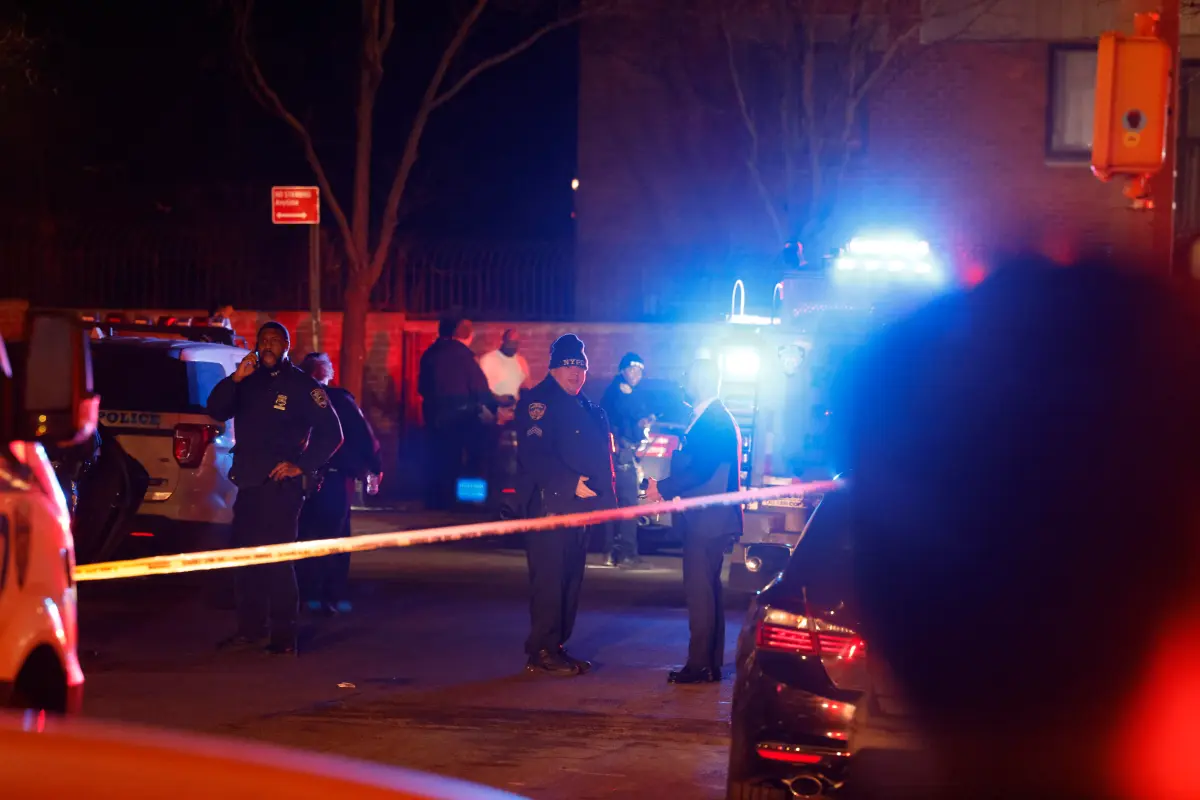
A tense situation in Manhattan’s West Village ended in tragedy Thursday night when police fatally shot a man who had opened fire on officers responding to a road rage incident. According to law enforcement sources, the confrontation began just before 11 p.m. on Bedford Street, where officers had been dispatched to address an apparent dispute between drivers. What started as a routine response to a traffic altercation quickly escalated into a deadly exchange of gunfire, leaving one man dead and a community shaken by the sudden eruption of violence on their streets.
The incident unfolded rapidly as officers arrived at the scene of the reported road rage confrontation. While details remain limited as the investigation continues, law enforcement sources indicate that during the interaction between police and those involved in the original dispute, one man made the fateful decision to fire at the responding officers. This action prompted an immediate response from police, who returned fire in what appears to have been an effort to protect themselves and potentially others in the vicinity. The West Village, typically known for its charming streets and vibrant nightlife, instead became the setting for a chaotic and ultimately fatal confrontation that would leave many questions in its wake.
What led to the initial road rage incident and subsequent escalation remains unclear at this time. Road rage situations often begin with minor provocations – a perceived slight in traffic, an unexpected lane change, or a moment of frustration – but rarely do they culminate in an armed confrontation with law enforcement. The man’s decision to discharge a weapon toward police officers transformed what might have been a standard traffic dispute into a life-threatening situation that demanded immediate response. In the split-second decisions that followed, officers fired back, striking the man who had shot at them, according to sources familiar with the events of that night.
The aftermath of the shooting left the man fatally wounded. Despite the chaotic nature of the confrontation, the outcome was decisive and irreversible – he was pronounced dead at the scene. The sudden violence disrupted the normally peaceful neighborhood, drawing emergency vehicles and investigators to Bedford Street well into the night. For residents of the West Village, the sound of gunshots and the subsequent police activity represented an unusual and disturbing interruption to daily life, a stark reminder of how quickly ordinary situations can transform into life-and-death scenarios. The precise circumstances that led from a traffic dispute to a fatal police shooting will likely be scrutinized in the investigation that follows.
This incident touches on broader conversations about policing, use of force, and public safety that continue to resonate throughout American communities. When officers face armed threats, they must make instantaneous decisions that balance their own safety, the safety of others, and their duty to uphold the law. At the same time, every police-involved shooting raises important questions about what preceded the use of deadly force and whether alternative approaches might have been possible. While the initial reports suggest officers were responding to a direct threat when shots were fired at them, a thorough investigation will be crucial to establish a complete understanding of the sequence of events and the actions of all involved parties.
As this story continues to develop, many aspects remain to be clarified. The identity of the deceased, the specific nature of the initial road rage incident, the number of officers involved, and the exact sequence of the confrontation will likely emerge as the investigation progresses. Law enforcement authorities will presumably examine body camera footage, if available, interview witnesses, and analyze physical evidence to construct a comprehensive account of what transpired on Bedford Street. For now, a neighborhood and a city are left to process another instance where everyday conflict escalated to deadly violence, adding one more chapter to ongoing conversations about public safety, police response, and the unpredictable nature of human conflict in urban environments.