




The Shocking Truck Attack on a Michigan Synagogue
In the quiet suburbs of West Bloomfield, Michigan, a peaceful Friday morning turned into a nightmare when a gunman unleashed terror on the Temple Israel synagogue, a popular Reform Jewish community hub. The suspect, driving a truck, deliberately rammed it into the building and then opened fire with a rifle, leaving one security guard unconscious as the vehicle burned in flames. The incident unfolded in broad daylight, drawing an immediate and massive response from federal and local authorities, including the FBI, ATF, and bomb-sniffing K-9 teams that meticulously swept the area for any potential explosives. This brazen act was described by New York City officials as a “horrifying” display of antisemitic violence, sparking widespread alarm especially in a city already grappling with heightened security concerns. The suspect died at the scene, but the attack raised chilling questions about the safety of religious sites nationwide. It’s a stark reminder of how vulnerable places of worship can be, particularly those with families and children in attendance, like Temple Israel’s early childcare center and school. For many, this wasn’t just a distant news story—it felt personal, echoing fears that antisemitism is bubbling up in new and dangerous ways. Communities across the country held their breath, wondering if this was an isolated event or part of a larger pattern of hate-fueled assaults.
The scale of the response highlighted the gravity of the threat, with authorities treating it as a potential act of domestic terrorism. Law enforcement combed through the wreckage, ensuring the synagogue was secure before allowing the congregation to assess the damage. The guard who was injured showed incredible bravery, a testament to the unsung heroes who protect sacred spaces every day. Witnesses described the chaos—a rumbling impact, gunfire, and then the acrid smell of burning fuel mixing with sirens and shouts. For the families involved, the emotional toll was immense, especially knowing the attack happened during a time when young children could’ve been present. This incident didn’t just shatter a building; it frayed the sense of security that religious communities rely on. In a world where hate seems to spread like wildfire on social media, people are asking: what drives someone to such extremity? Mental health crises, radical ideologies, or something deeper? The FBI’s involvement underscores how these acts are investigated as potential threats to national security, not just local crimes. It made you think about the countless hours devoted to safeguarding our public spaces and how even the best precautions can sometimes fall short. Yet, in the aftermath, stories of resilience emerged—community members rallying together to comfort one another and rebuild.
New York City’s Alarmed Response and Heightened Security
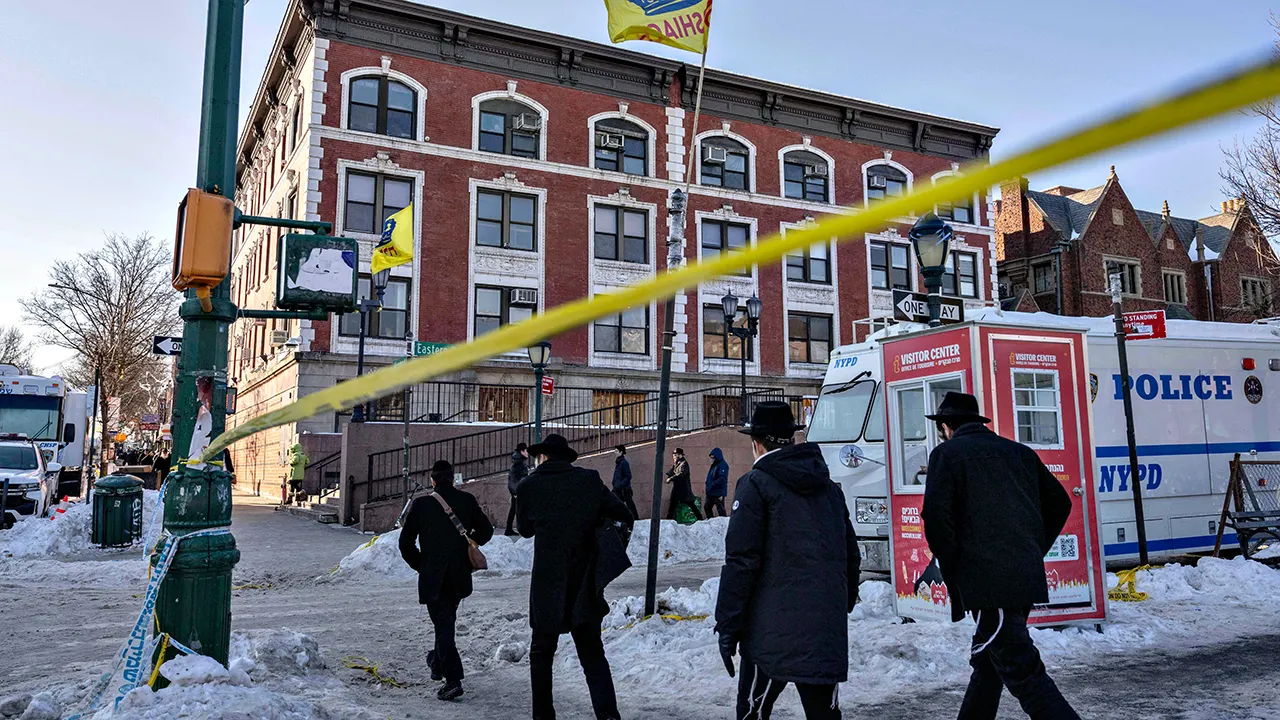
Across the country, New York City officials wasted no time in condemning the Michigan attack, ramping up their own security measures to shield vulnerable sites. Public Advocate Jumaane Williams pointed out the heartbreaking detail that the synagogue housed an early childcare center, emphasizing that “we must protect all our communities” from violent hatred. Governor Kathy Hochul called it a “cowardly act of antisemitic violence,” pledging increased patrols by the state police at religious locations throughout New York. Mayor Zohran Mamdani described it as “horrifying,” expressing solidarity with the shaken congregation and directing the NYPD to deploy high-visibility patrols across the city’s five boroughs. It’s fascinating how politicians from the nation’s biggest city felt compelled to act out of concern for similar threats in their own backyard. You can imagine the tension in boardrooms and homes as people weighed their options—attending services or staying home? This sense of vigilance is palpable, like an extra layer of worry added to daily life. Families discussing safety protocols, school administrators reviewing emergency plans—the incident touched nerves everywhere. Mamdani, known for his stance against certain international policies like strikes on Iran, seemed particularly moved, monitoring the situation closely and urging caution. It showed a human side to leadership, not just policy but empathy for those in fear.
Meanwhile, the NYPD’s acknowledgment of a “heightened threat environment” meant more officers on the streets, more eyes watching for suspicious activity. Residents shared stories of increased patrols making them feel safer, yet some wondered if it was enough. Antisemitism, once thought to be in the past, feels uncomfortably current, fueled by online rhetoric and global tensions. People are questioning their own biases, reflecting on times they’ve witnessed or heard about hate, and vowing to stand up. This response wasn’t just bureaucratic; it was a collective nod to unity. Neighbors checking in on each other, interfaith dialogues sparked by the tragedy—it’s how communities heal and strengthen. When leaders speak out, it matters; their words can inspire hope or ignite action. Hochul’s tweet resonated widely, reminding everyone that no one should live in fear of worshiping. Williams’ call to protect from coast to coast bridged divides, humanity over hatred. In the end, these reactions painted a picture of a city vigilant but vulnerable, ready to protect but ever mindful of the storm on the horizon.
Recalling the Earlier Brooklyn Incident: A Troubling Precedent
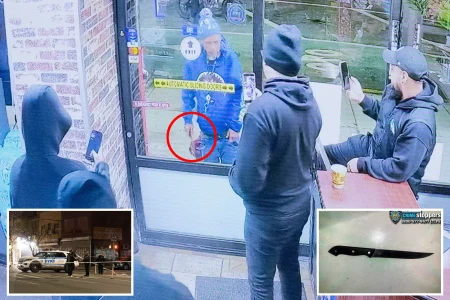
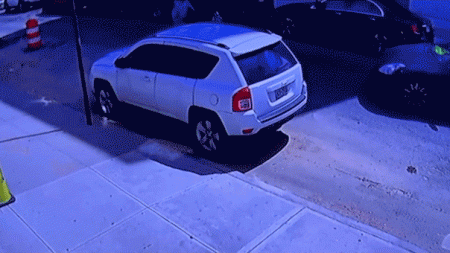
Just weeks before the Michigan horror, another disturbing event unfolded in New York City’s Brooklyn on January 28th, when suspect Dan Sohail allegedly rammed his vehicle into the Chabad Lubavitch headquarters multiple times. He plowed through protective barriers, scattered congregants, and struck the side entrance four times, damaging doors but miraculously causing no injuries. The NYPD investigated the motive, framing it as a potential hate crime given the target—a prominent Jewish organization. This incident struck fear into many hearts, especially as it echoed the destruction wrought in Michigan. Mamdani, addressing it alongside the synagogue shooting, noted the parallels in antisemitic violence, calling for continued vigilance. Sohail’s arrest and the investigation delved into his intentions, revealing a man who seemed driven by anger. For those who live or work near such sites, it was a jolt to reality—danger lurking in everyday places. The Chabad center, known for its outreach and community programs, is a vital hub for many families, and its near-miss highlighted vulnerabilities. People shared anecdotes of canceled events and added precautions, like avoiding parking near entrances. It humanized the fear; imagine being a parent dropping off a child or a rabbi greeting visitors, only to face such violence. This wasn’t just about a building; it was about shattering the sanctuary for countless lives.
The overlap with the Michigan attack amplified concerns, making locals wonder if these were isolated outbursts or signals of broader unrest. Authorities monitored online chatter, seeking patterns that might connect the dots. For communities of faith, these events erode trust in public spaces, yet they fostered a camaraderie among groups standing together. Chabad officials spoke out, emphasizing resilience and the importance of reporting threats. Sohail’s actions, while similar in method, underscored how one person’s rage can ripple through an entire city. In conversations around dinner tables, people debated—why target houses of worship? It could stem from personal grievances, ideological extremism, or societal divides. The lack of injuries in Brooklyn offered a sliver of relief, but the psychological scars lingered. Families in reform synagogues like Temple Israel felt a kinship with Chabad, realizing hate doesn’t discriminate between denominations. This incident, fresh in memory, made the Michigan shooting hit harder, reminding everyone that vigilance is key. Mamdani’s ongoing monitoring echoed that sentiment, proving leadership’s role in reassurance. Ultimately, it was a call to action: protect the spaces where love and learning thrive, no matter the cost.
The Tense Protests and Violence Near Gracie Mansion
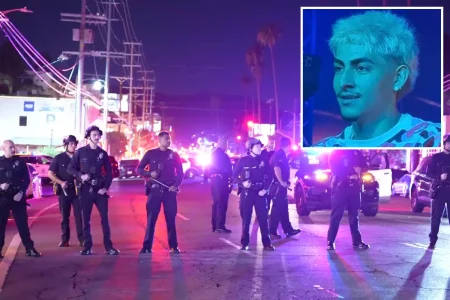
Adding to New York City’s fraught atmosphere were recent clashes between protesters near Mayor Mamdani’s Gracie Mansion residence, where tensions boiled over into violence. Amid demonstrations—one against “public Muslim prayer” and another in support—an 18-year-old counter-protester named Emir Balat allegedly lit and threw what turned out to be homemade explosive devices toward opponents. These were described as tape-wrapped jars filled with nuts, bolts, screws, and hobby fuses, explosive enough to cause “horrific damage,” as former Governor Andrew Cuomo later stated. After an initial scuffle involving pepper spray from a protester affiliated with pardoned January 6 rioter Jake Lang, Balat escalated, hurling the items and then fleeing. A 19-year-old accomplice, Ibrahim Nikk, handed him the second device. The NYPD bomb squad neutralized the threat, and no one was hurt, but the incident underscored the powder keg of conflicting ideologies in the city. Mamdani condemned Lang as a “white supremacist” rooted in bigotry, while also calling any protest violence “unacceptable.” Lang’s group protested outside Gracie Mansion, amplifying the mayor’s personal scrutiny. This wasn’t just politics; it was raw, human conflict playing out on the streets.
People are grappling with the morality here—protesters hurling bombs versus those labeled extremists. Cuomo criticized Mamdani’s statement for drawing a false equivalency, arguing bombs could kill and deserve stronger condemnation. He recalled past struggles, like inadequate responses to attacks on NYPD officers, warning against passivity. For onlookers, it highlighted divisions tearing at the social fabric. Balat and Nikk’s arrest sent shockwaves, raising questions about access to dangerous materials and the ease of manufacturing weapons. In a city known for expression, when do protests cross into terrorism? Families discussed it over coffee, parents worried about their kids witnessing such hatred. The timing, so close to the synagogue attacks, painted a broader picture of unrest. Mamdani’s dual condemnation aimed at balance, but critics saw avoidance. Lang’s affiliations with far-right elements fueled debates on extremism. Ultimately, these events made New York feel like a tinderbox, where one spark could ignite chaos. The NYPD’s role in quelling it showed the thin line held by first responders. Individuals like Balat and Lang became symbols of polarized America, prompting reflections on tolerance and the need for dialogue. It was a wake-up call: in the heart of democracy, how do we coexist when hatred simmers beneath?
Political Backlash and Calls for Unwavering Stance Against Hate
The backlash to Mamdani’s handling of the protests revealed deeper rifts in New York politics. Former Governor Cuomo slammed the mayor for not unequivocally denouncing the bomb-throwing as terrorism, fearing it weakened the city’s tough stance. He invoked past NYPD attacks, saying “this city has no tolerance” and urging a stronger message. Mamdani, opposed to certain Iran policies, faced criticism for his response, seen as dodging direct condemnation of one side. Political opponents seized the moment, accusing him of moral passivity. In public forums, New Yorkers spoke up, demanding clear lines against all forms of hate. It echoed larger debates on equity and extremism, with figures like Lang polarizing opinion. Cuomo’s words resonated with many who felt the city was soft on threats. This wasn’t politics as usual; it felt existential, with safety on the line.
The Michigan and Brooklyn incidents, tied to the protests, forced reevaluations. Leaders like Hochul and Williams pushed for unity, but divisions persisted. For everyday citizens, it meant questioning whom to trust. Fear of antisemitism spiked, influencing community events. Mamdani monitored closely, balancing his views with security needs. Critics called for moral courage, like drawing firm lines against violence. In homes and schools, conversations turned to teaching respect. The arrests of Balat and Nikk prompted cautionary tales about radicalization. Was it online influences driving these acts? The Fox News app’s new listening feature could help more access such stories, fostering informed dialogue. Political figures’ statements shaped public sentiment, showing empathy’s power. Amid the tension, hope lingered—cities rallying, communities bonding. Yet, the demand for strong leadership remained. Mamdani’s challenges mirrored national struggles, highlighting the need for empathy and action. In the end, these events urged us to confront hatred head-on, ensuring peace prevails. The road ahead requires vigilance, but together, we can mend divides. New York stands as a beacon, learning from pain to build resilience.