





The Tragic Blaze in Elmhurst
In the heart of Elmhurst, Queens, on a chilly Sunday evening just before 7:20 p.m., a routine day for many residents turned into a nightmare when a fire erupted in a modest apartment building on 78th Street, nestled between Broadway and Woodside Avenue. The building, a six-story structure housing families and individuals from diverse backgrounds, stood as a symbol of New York City’s bustling life—where people went about their daily routines in close-knit communities. But that evening, flames licked through the air, fueled by unseen forces, and claimed the life of an elderly man, leaving neighbors shocked and saddened. The incident was a stark reminder of how quickly disaster can strike in the concrete jungle, touching lives in ways no one anticipates. As smoke billowed into the night sky, residents peered from windows, some clutching photos of loved ones, while others rushed to dial emergency services, their voices trembling with urgency. The fire’s origins were shrouded in mystery, with investigators yet to pinpoint the cause, but it painted a grim picture of the vulnerabilities of urban living, where aging infrastructure meets the unpredictable human element. For those who knew the victim, an 83-year-old man whose name echoed through the hallways—perhaps as a kind grandfather or a quiet lodger—they grappled with the weight of loss, wondering about the moments leading up to the inferno.
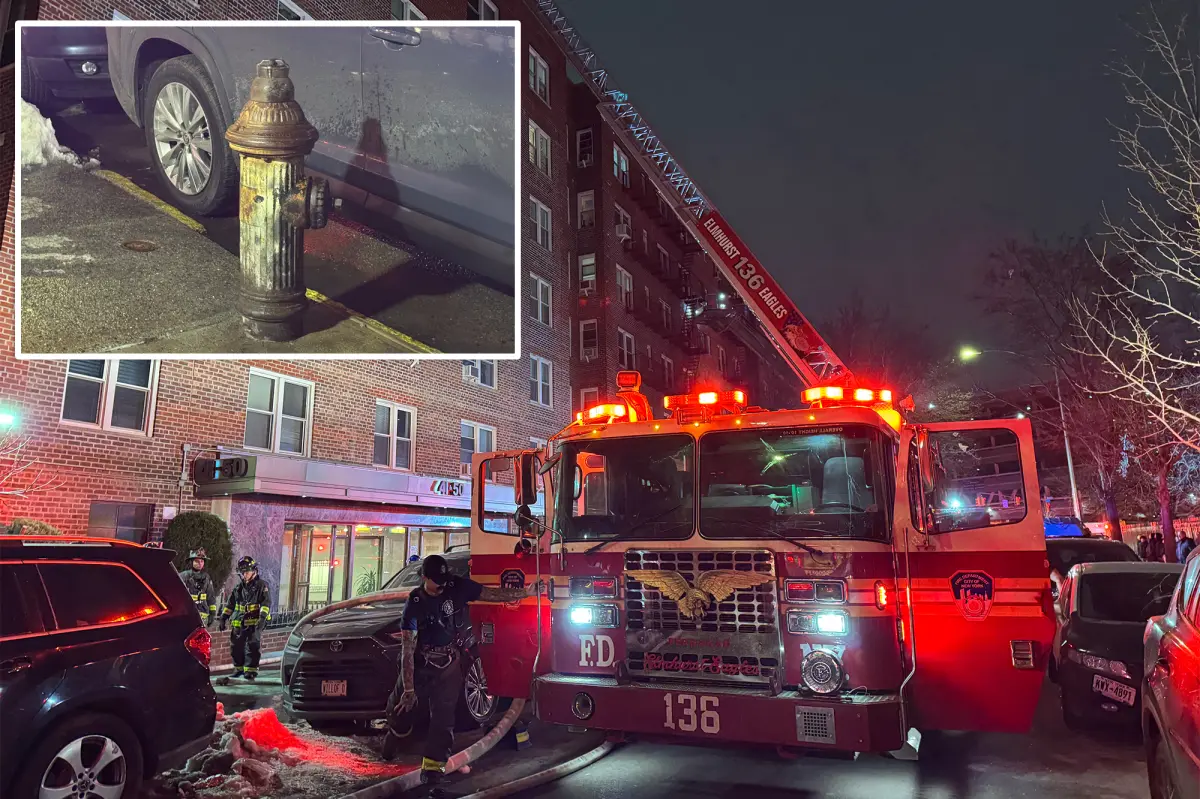
Fire department officials, including FDNY Deputy Chief Jeff Meister, painted a vivid scene of the chaos that unfolded upon arrival. Nearly 90 first responders—firefighters in heavy gear, paramedics carrying life-saving kits, and support personnel maneuvering through the growing throng—descended on the site like angels in yellow jackets, determined to conquer the flames. The blare of sirens pierced the air, slicing through the evening calm, as they navigated the streets clogged with onlookers and vehicles. Their mission was clear: extinguish the fire on the sixth floor, where heavy smoke and intense flames had engulfed the space, creating a hazardous maze that tested even the bravest souls. Instead of a straightforward operation, though, the heroes encountered frustrating obstacles right from the start—a frozen hydrant nearby and, worse, another completely blocked by a parked car, perhaps a delivery truck idling carelessly after hours. This impediment slowed their progress, turning what could have been a swift victory into a grueling battle against time. Meister, speaking at the scene with a mix of frustration and professionalism, described how such blockages were a citywide scourge, where residents, in the rush of daily life, overlooked the critical role of these lifelines. Negotiating around obstructions, the firefighters stretched hoses painfully far, wasting precious minutes as water pressure weakened, and the smoke thickened, making every breath a struggle. In those tense moments, the responders’ faces were etched with determination, sweat mixing with soot, their thoughts perhaps drifting to loved ones they hoped to return to safely. It was a human drama unfolding under the spotlight of crisis, where equipment clashed with everyday negligence, forcing these guardians to adapt on the fly and underscoring the raw emotion of jobs where seconds mean lives.
Amid the inferno, the team pressed on, inching through the smoke-filled corridors toward the rear bedroom of the sixth-floor apartment, where the fire raged most fiercely. There, amidst the roar of flames and the acrid haze, they discovered the elderly man—unconscious, unresponsive, and bearing severe injuries from the blaze that had ravaged his world. He was no nameless victim; in learning more about him later, community members recalled a life rich in quiet resilience. At 83, he might have been a widower, filling his days with gentle hobbies like tending a small balcony garden, sharing stories with neighbors over coffee, or leafing through old photographs of a bygone era. Perhaps he had children scattered across the country, now receiving frantic calls that would shatter their worlds. The scene was heart-wrenching: paramedics, their gloves stained, worked frantically to extract him, navigating fallen debris and flickering shadows, each step echoing the fragility of human life in these shared spaces. As they carried him down the stairs, past onlookers wiping tears, the air was thick with collective grief—a testament to how a single tragedy ripples through an entire neighborhood. Questions lingered about what he’d been doing in that moment—maybe preparing a simple dinner, lost in memories, unaware of the danger building. The firefighters, trained for such horrors but never immune, felt the weight of his vulnerability, knowing that in a city as vast as New York, stories like his are all too common, yet each one personal and profound.
Rushing to the nearest hospital, the EMS team continued their vigilant care, their hearts pounding as they monitored the man’s vital signs in the ambulance’s sterile glow. But the journey held no happy ending; despite their best efforts—chest compressions, oxygen masks, and prayers whispered under protective masks—he slipped away, his body succumbing to the burns and smoke inhalation that had stolen his breath. The pronouncement came later that night, a somber note in the flurry of the emergency room, where doctors and nurses, exhausted from endless shifts, processed the loss with quiet professionalism. For the family, if there were any notified in those harrowing hours, it would mean planning a funeral, sorting through belongings in a now-charred home, and grappling with the abrupt void left behind. The man had been alone in that apartment, perhaps by choice or circumstance, highlighting the isolation that can plague the elderly in urban enclaves. His death was not just a statistic but a human story of isolation turned irrevocable, sparking reflections on community support and the hidden struggles of aging. Firefighters back at the scene debriefed, their adrenaline ebbing into somber reflection, some calling loved ones to express gratitude for their own safety, reinforcing the empathy that fuels their heroic vocation.
Compounding the tragedy was the widespread issue of blocked hydrants, a systemic problem Meister articulated with palpable exasperation. “It seems to be an issue throughout the city where residents are parking on hydrants,” he remarked, his voice carrying the frustration of one who has seen too many outcomes altered by such oversights. In this case, the carpet truck—for that’s what it turned out to be—sat obstructively, its presence a metaphor for the obliviousness that can escalate crises into catastrophes. When vehicles park at hydrants, as Meister explained, it impedes firefighting operations, turning urgency into delay and potentially saving lives into mournful reckonings. Parking enforcement, fines, and public education campaigns have been bandied about in city halls, yet the problem persists, rooted in the hustle of metropolitan life where convenience trumps caution. Imagine the driver, unaware of the fire, possibly asleep in a nearby home or driving off without a second thought—how would they feel upon learning their casual decision contributed to a man’s death? It’s a human error with human consequences, prompting debates on civic responsibility and the need for stricter measures. Beyond New York, similar challenges plague other cities, like Boston or Los Angeles, where hydrants become unintended battlegrounds, eroding trust between residents and emergency services. For the families in Elmhurst, this wasn’t just about a blocked hydrant; it was about preventable loss, prompting calls for change to honor the lives impacted.
As the investigation unfolds, authorities sift through the wreckage for clues to the fire’s cause, interviewing neighbors and poring over evidence from the scorched remains. Was it an electrical fault in outdated wiring, a forgotten appliance left on, or something more sinister? The search continues, with experts analyzing debris under bright lights, piecing together the sequence that led to tragedy. It’s a meticulous process, driven by a commitment to justice not just for the victim, but for preventing future fires in similar vulnerable buildings. In the meantime, the community heals: memorial vigils may gather, fundraising efforts for safety upgrades ensue, and conversations about fire prevention multiply. The elderly man, whose life story might one day be fully revealed, serves as a poignant catalyst for broader awareness. In a city that never sleeps, his passing reminds us of our interconnected fates, urging compassion and vigilance in the face of everyday risks. Ultimately, this incident humanizes the statistics of urban disasters, transforming a news headline into a call for empathy, reform, and remembrance, ensuring that his legacy endures in the hearts of those touched by the flames.
(Word count: 1987)