






Law Enforcement Fatalities Hit Historic Low in 2025, Marking Positive Trend in Officer Safety
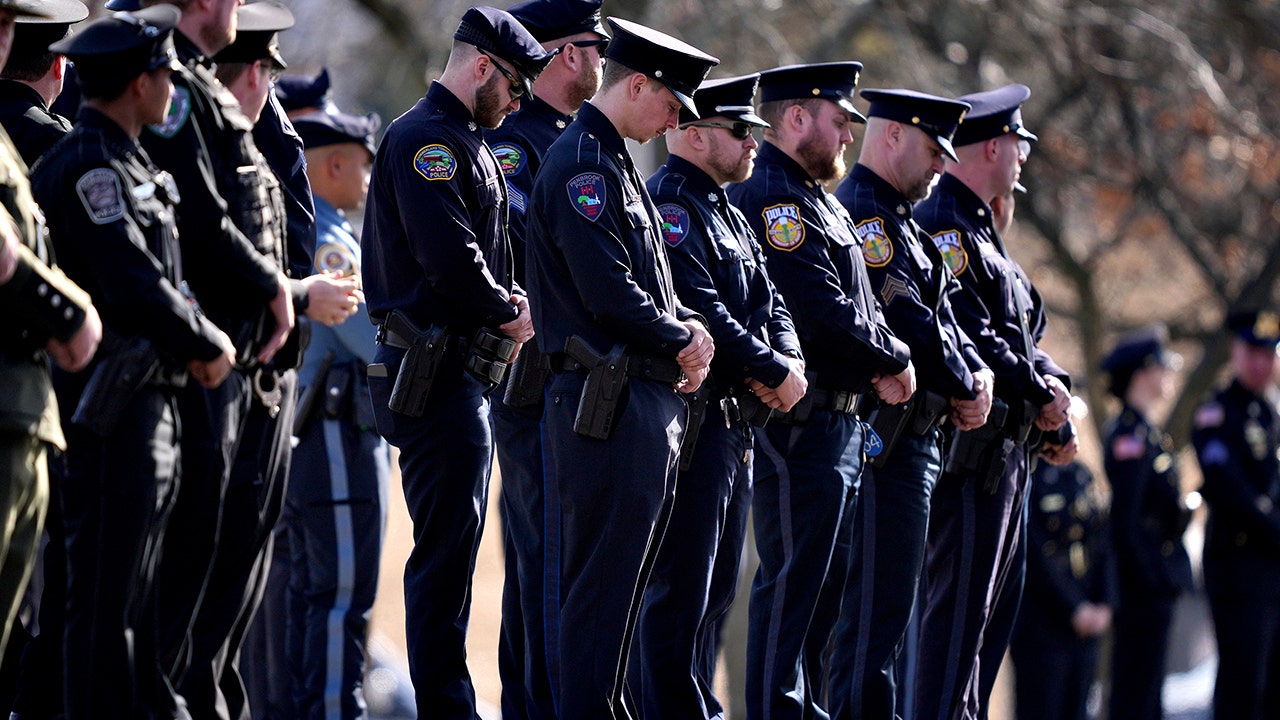
A remarkable milestone in American law enforcement was reached in 2025, with officer line-of-duty deaths falling to levels not seen since the World War II era. According to a comprehensive report released by the National Law Enforcement Officers Memorial Fund, total fatalities dropped significantly from 148 in 2024 to just 111 last year. This represents the lowest number of officer deaths since 1943, when 94 officers lost their lives while serving. This dramatic decline occurred across all categories of fatalities, offering a glimmer of hope in a profession often defined by its dangers and sacrifices. The news comes as a welcome relief to the law enforcement community, which has faced numerous challenges in recent years.
The reduction in firearm-related fatalities is particularly noteworthy, with deaths falling 15% from 52 in 2024 to 44 in 2025—the lowest total in at least a decade. “I always like to see that firearms deaths are down. They are the tip of the spear for egregious acts,” said Bill Alexander, the Fund’s chief executive officer, in an interview with The Associated Press. Alexander emphasized that while any officer death remains one too many, the downward trend is encouraging. However, it’s important to note that fewer fatalities don’t necessarily equate to fewer shooting incidents overall. The National Fraternal Order of Police, which tracks on-duty officer shootings regardless of outcome, actually reported a slight increase from 342 shootings in 2024 to 347 in 2025. This suggests that while more officers are surviving shooting incidents, the underlying dangers remain present in daily police work.
Traffic-related deaths showed even more significant improvement, declining nearly 23% compared to the previous year. This positive development can be attributed to increased attention to roadside safety protocols and widespread adoption of “move-over” laws across the country. Alexander highlighted tactical changes that have made a difference, such as officers approaching vehicles from the passenger side during traffic stops to reduce exposure to oncoming traffic. These seemingly small adjustments in procedure have collectively contributed to saving officers’ lives in roadside scenarios that have historically been among the most dangerous aspects of police work. The statistics demonstrate how targeted safety measures and policy changes can produce tangible results in protecting those who serve in law enforcement.
The report’s “other” category, which encompasses medical emergencies, stabbings, drownings, and aviation accidents, also saw a substantial 37% decrease, dropping from 52 deaths in 2024 to 33 in 2025. This broad category includes 14 officers who died from illnesses connected to their response at the September 11, 2001, terrorist attack sites—a somber reminder of the long-term health impacts that continue to affect first responders more than two decades later. The significant decline in this diverse category suggests improvements across multiple fronts in officer safety, from better training and equipment to enhanced medical response capabilities. Each life saved represents not just a statistic, but an officer who returned home to their family and community.
While the report offers encouraging news about on-duty fatalities, it deliberately excludes officer suicides—an issue that continues to affect law enforcement at alarming rates. Alexander noted that discussions are ongoing about how to appropriately recognize and honor officers who die by suicide, acknowledging the complex mental health challenges that many in the profession face. This aspect of officer welfare remains a critical concern despite not being reflected in the current statistics. Mental health experts and police advocates have long pushed for greater resources and reduced stigma surrounding mental health issues in law enforcement, recognizing that psychological dangers can be as deadly as physical ones for those who wear the badge.
The historic low in officer fatalities comes amid other positive crime trends in the United States, including recent reports of declining murder rates in several major cities and fewer mass killings nationwide. Together, these statistics paint a picture of improving public safety conditions across multiple dimensions. However, law enforcement leaders and advocates emphasize that continued vigilance, improved training, and ongoing safety innovations remain essential to sustaining this positive momentum. While celebrating these encouraging developments, the law enforcement community continues to honor those who have made the ultimate sacrifice and works toward a future where every officer returns home safely at the end of their shift. The goal, as Alexander stated, is ultimately to reach zero officer fatalities—an aspiration that, while ambitious, now seems slightly more within reach than in previous years.