


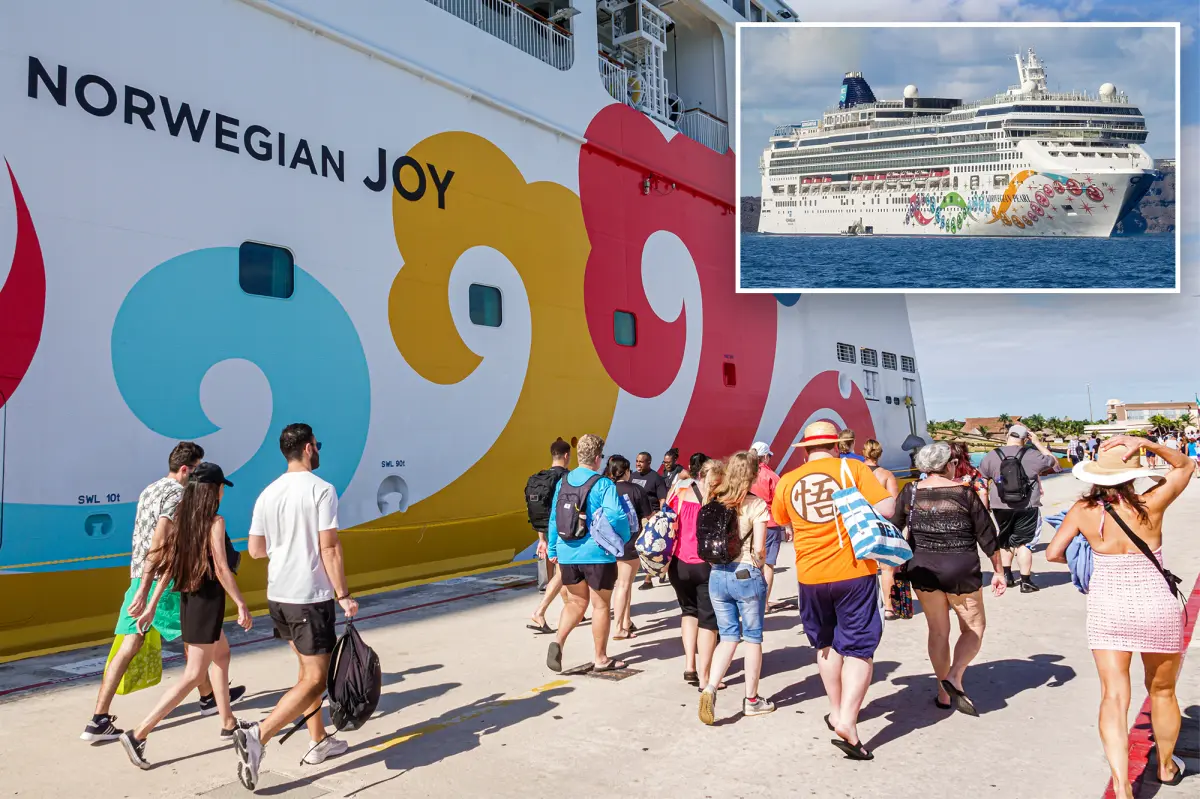
Imagine starting your dream vacation on a majestic cruise ship, sailing the open seas with nothing but sunshine, waves, and the promise of relaxation. You board Norwegian Cruise Line’s impressive fleet, one of the giants in the industry poised to welcome over 3 million guests in 2025 across 34 ships. It’s all about that “freestyle cruising” vibe they’ve built—a carefree experience where you can kick back in casual clothes, munching on buffet delights or grabbing a quick bite at specialty spots without worrying about dressing to the nines. But lately, that ship has literally sailed, leaving a wake of frustration among loyal passengers. Norwegian has quietly tightened its dining dress code, sparking outrage from those who thought cruising was synonymous with laid-back luxury. What was once a breeze has turned into a stiff wind of rules that some call downright idiotic, challenging the very essence of what makes cruising so appealing. Travelers aren’t just complaining; they’re sharing stories of past cruises where flip-flops and shorts were the norm, and now they feel betrayed by a company that’s supposed to prioritize fun over formality. This isn’t just about clothes—it’s about the soul of vacation, where the freedom to relax should trump rigid expectations. As one seasoned cruiser put it, the new policies feel like an unnecessary overkill in an era where travel is supposed to be stress-free. It’s ironic, really, because Norwegian markets itself as a leader in global cruising, emphasizing experiences that blend adventure with ease. But this shift has passengers reevaluating their loyalties, wondering if this could be the tipping point where the allure of the sea meets the reality of micromanagement.
Diving deeper into the specifics, Norwegian Cruise Line has updated its policy to enforce a more upscale vibe in select high-end restaurants aboard their ships. Palomar, Ocean Blue, Onda, Cagney’s, Le Bistro, and the exclusive Haven Lounge are now off-limits for shorts and flip-flops. This ban extends to a broader array of casual wear, including tank tops, hoodies, robes, baseball caps, and even ripped jeans. The idea seems to be elevating the dining experience to something resembling a fine-dining establishment, where attire should match the ambiance of elegance and sophistication. Passengers are sternly advised against clothing with offensive materials or images, ensuring the environment remains tasteful and welcoming for all. It’s a clear departure from their buffet and most specialty dining areas, where the freestyle ethos still reigns supreme—think jeans for smart casual nights or the suitcase-stashed essentials you might wear after a day touring tropical ports. Children under 12 are given a pass, allowed to wear shorts, which makes the rules seem all the more targeted at adults. From my own memories of cruising, I’d always loved the flexibility—packing light and feeling at ease. But now, imagining a sweltering summer cruise where the docks hit 90 degrees, the requirement to don long pants and closed shoes for dinner just doesn’t compute. It’s like asking someone to layer up in a sauna, prioritizing appearance over practicality. Norwegian seems to aim for an elevated guest experience, yet this crackdown feels out of touch with the realities of maritime travel, where comfort often trumps convention.
The backlash from Norwegian’s passenger base has been swift and vocal, flooding social media with a torrent of disapproval that’s hard to ignore. Facebook and Reddit threads are ablaze with stories from customers who’ve sailed multiple times, only to be blindsided by this pivot. One long-time fan, recounting 15 cruises filled with cherished memories of relaxed evenings, vented, “Been on 15 cruises with Norwegian, loved the relaxed style. Tell the fuddy daddies where to go. You will lose me as a customer going to this NEW IDIOTIC RULE.” It’s that kind of raw emotion underscoring a sense of betrayal—passengers paid for freedom, not fuss. Others chimed in, questioning the logic: “How does someone else wearing flip flops have any impact on you?” asked a Redditor, poking at the absurdity of elevating personal dress choices to a communal bother. In the comments, voices echoed that casual wear, especially in hot weather climates, isn’t just preferred—it’s essential. “No shorts or flip flops in the Haven is not a fair or reasonable change, especially for Summer/hot weather ports,” lamented another, painting a picture of sweaty discomfort under forced formality. These aren’t isolated gripes; they’re symptomatic of a broader discontent where the brand’s promise of laid-back luxury clashes with unyielding standards.
Personal anecdotes reveal the human side of this saga, with travelers sharing heartfelt stories that humanize the frustration. Take the cruiser who labeled the policy “seriously dumb,” reminiscing how “Casual dining was a big plus for me with NCL.” For many, dressing up on vacation feels counterproductive, especially when the ship’s ports involve blistering heat or beach excursions that lead straight to dinner. One passenger vividly described the absurdity: “I straight up don’t agree that shorts are inappropriate or informal. I am team ‘Resort wear for vacations.’” It’s like expecting people to trade sandy toes for polished loafers mid-voyage, ignoring the practicalities of cruise life. Families with kids weigh in too, noting that while little ones get exemptions, adults are left puzzling over the double standard. In my experience, cruises are about spontaneity—swimming into lunchtime, then heading to a romantic dinner spot without needing a full wardrobe change. Norwegian’s rules feel like they’re sucking the joy out of that, turning what should be effortless elegance into petty policing. Passengers aren’t just angry; they’re drafting open letters and boycotting future bookings, fearing this is the start of a slippery slope toward more restrictions.
Yet, in the midst of the uproar, it’s worth noting the allowances that Norwegian has maintained to keep the peace— a nod to balancing tradition with customer input. Buffets remain a haven for flip-flops and shorts, and specialty restaurants follow a smart casual dress code where jeans are acceptable for both men and women. Children under 12 can still rock their shorts, ensuring families aren’t entirely alienated. The company emphasizes that offensive attire is universally banned, which aligns with maintaining a respectful environment. Some guests see these changes as a step up, appreciating a more refined atmosphere in upscale spots like Le Bistro. For instance, one traveler who welcomed the update might argue it’s about creating memorable dining experiences, even if others disagree. Personally, I think there’s merit in an optional level of sophistication—it could enhance special evenings without infringing on the overall vibe. Norwegian’s history of freestyle cruising isn’t erased entirely; it’s just compartmentalized, allowing guests to choose their level of formality. This compromise might soften the blow for some, turning critics into advocates who see it as evolving with guest expectations. It’s a reminder that cruise lines operate in a delicate balance, responding to diverse preferences while upholding some standards of decency.
Looking ahead, this dress code debacle could ripple through the industry, prompting Norwegian and competitors to rethink what vacation freedom truly means. As a leader hosting millions, the company risks alienating its core audience by enforcing rules that feel out of sync with modern travel values. Loyal cruisers are vocal on social platforms, their stories a testament to the emotional investment in these voyages—memories of sunsets over the ocean, laughter at buffet lines, and the sheer delight of uninhibited days. If Norwegian doesn’t adapt, they might lose out to rivals offering more genuine relaxation. It’s a chance for cruise lines to humanize their policies, perhaps by gathering feedback or offering flexible options. From my perspective, cruising should be about escape—shedding the suit and tie mentality, not enforcing it. Passengers deserve policies that enhance experiences without diminishing them, turning potential nightmares into narrative highlights. In the end, this incident highlights the ongoing debate: how much structure is too much on a ship that’s supposed to float freely? Norwegian has an opportunity to course-correct, listening to the voices of those who made the brand what it is, and restoring the balance between elegance and ease. After all, the sea’s vast beauty lies in its unpredictability—not in dictating what shoes we wear to dinner. As summer cruises approach, travelers will decide if Norwegian’s new rules sink or sail their loyalty, proving that in the world of cruising, style should always pair with soul.