





A Legendary Legacy Turns Over a New Leaf
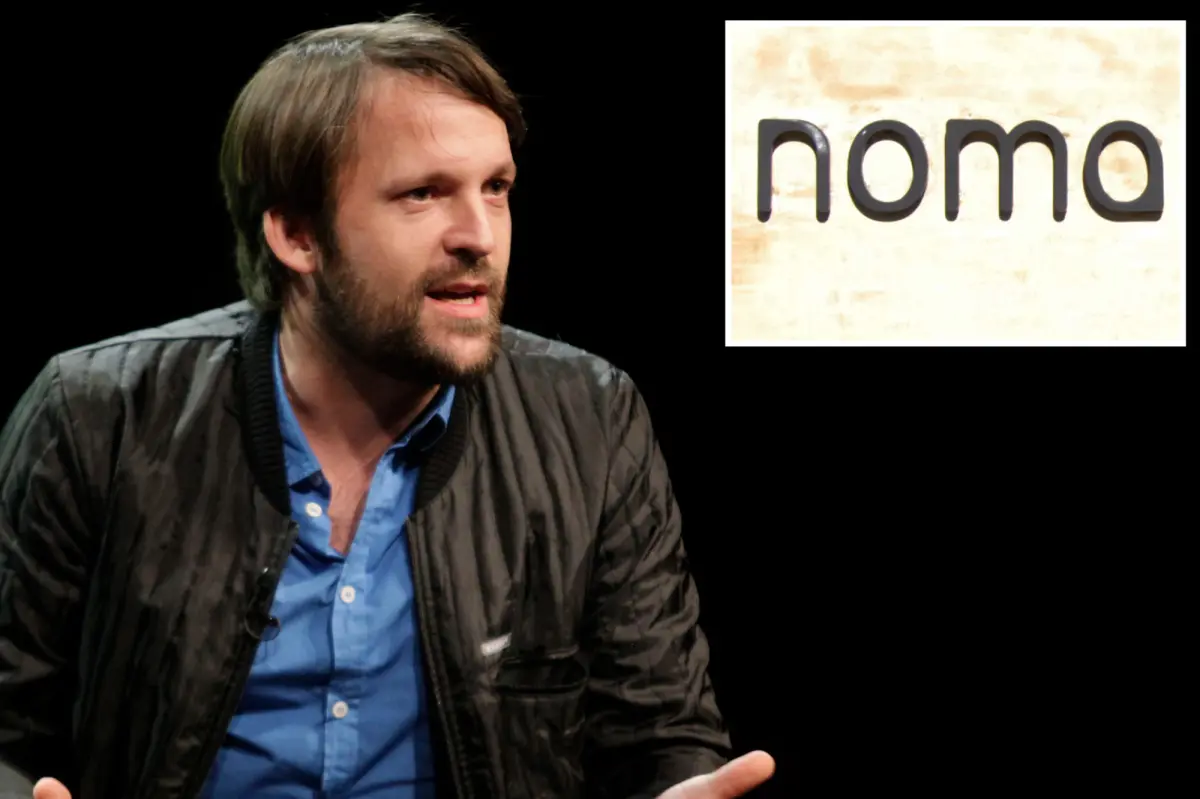
Picture the ultimate dining dream: Noma, the Copenhagen jewel that’s charmed Michelin stars out of the heavens and redefined fine cuisine with its foraging feasts and innovative flair. Founded by the charismatic René Redzepi, it’s been heralded as the world’s best restaurant for years, drawing food lovers from every corner of the globe. But behind the scenes, whispers of a darker reality have bubbled up, like hidden bitterness in an otherwise exquisite broth. Allegations of physical violence, sexual harassment, and the cruel exploitation of unpaid labor have tarnished its glow, turning admiration into outrage. Now, in a move as bold as one of Redzepi’s experimental dishes, the chef has stepped aside immediately, signaling a profound shift. Announced on the opening day of Noma’s opulent Los Angeles residency—where a seat commands a staggering $1,500— this resignation coincides with protests by former workers outside the lavish Paramour Estate, their voices echoing demands for justice. It’s a poignant moment, where culinary excellence meets human frailty, forcing us to ask: can a restaurant famous for innovation truly reinvent its soul? As Noma releases a detailed account of reforms, it’s clear this is more than a public relations stunt; it’s an attempt to heal wounds inflicted over years. The restaurant’s statement speaks of a “turning point” in 2022, spurred by criticism over its grueling internship model and the punishing demands of elite kitchens. Redzepi, once the undisputed maestro, is now stepping back, perhaps carrying the weight of unspoken regrets. For fans who’ve idolized him, it’s a bittersweet farewell—a reminder that even geniuses can falter, and that progress often comes from confronting pain rather than ignoring it. But as we delve into the changes, one senses a glimmer of hope, a chance for Noma to emerge not just as a culinary titan, but as a beacon of ethical evolution.
Unveiling Transformations in the Heart of the Kitchen
Diving deeper, Noma’s reforms paint a picture of a workplace awakening, where the chaos of unpaid toil gives way to dignity and structure. Imagine the young cooks—once interns toiling without pay in a high-stakes environment—that now receive full compensation. The controversial unpaid internship program, a relic of the industry’s darker days, was dismantled in 2022 and reborn as a paid six- or twelve-month journey. These aspiring chefs, many dreaming of stardom, now gain real-world expertise without sacrificing their livelihoods, a shift that acknowledges the human cost of ambition. It’s not just about money; it’s about valuing young talent as partners in creation rather than expendable fuel for the flame. Then there’s the radical four-day workweek, a seismic change in a field notorious for 100-hour grinds that leave families fractured and dreams deferred. Suddenly, staff at this three-Michelin-star haven can reclaim evenings and weekends, fostering a life beyond the kitchen’s relentless heat. Expanded benefits follow suit: health insurance to shield against the physical toll of long nights, generous parental leave for those starting families, and even a pension fund for financial security in later years. These aren’t mere perks; they’re lifelines, recognizing that behind every plated masterpiece is a person with a story, struggles, and aspirations. It’s emotionally resonant, imagining the relief of a sous-chef who once burned the midnight oil now savoring simple joys like watching a child’s game. Noma’s journey mirrors broader conversations in our world: about work-life balance, about how we treat those who sustain our passions. In humanizing these changes, we see not just policy tweaks, but a path toward empathy, where the kitchen becomes a place of mutual respect instead of silent suffering.
Building a Supportive Foundation with Dedicated Care
Further illuminating the overhaul is the creation of a robust human resources department, a stark evolution from what critics allege was once handled by Redzepi’s mother-in-law—a setup that now seems quaintly inadequate for a global operation. This new HR team is a lifeline for employees hailing from afar, many international cooks navigating visas, housing, travel, and banking mazes in a foreign land. It’s easy to empathize with their plight: uprooted dreams, language barriers, and the isolation of chasing culinary excellence in unfamiliar territory. By offering comprehensive support, Noma is addressing the invisible threads of anxiety that once wove through its ranks, transforming potential fractures into cohesive strength. Moreover, the restaurant has instituted an independent workplace audit, an external gaze to scrutinize employee experiences and pinpoint lingering shadows. This audit, born from introspection, aims to uncover truths without fear of bias, ensuring that voices long silenced find expression. For those who’ve endured the tumult, it’s a validation, a step toward healing. Humanizing this, think of it as a therapy session for an abused family—acknowledging pain, seeking external wisdom, and committing to growth. Noma’s reforms extend beyond policy; they touch the soul of labor ethics. In our fast-paced era, where burnout is epidemic, this initiative feels like a quiet revolution, reminding us that workplaces aren’t merely profit engines but communities where human dignity flourishes. Yet, as we applaud these strides, whispers remain of deeper accountability. Were these changes ignited purely by conscience, or by the gale of public scrutiny? Whatever the spark, it’s a testament to adaptability, a beacon for industries entangled in tradition’s grip, urging us all to prioritize people over prestige.
The LA Residency: A Showcase of Renewal
Shifting the spotlight to the stars—literally, with Hollywood glamour—Noma’s Los Angeles residency exemplifies how these reforms play out in real-time, blending culinary art with newfound humanity. Picture this: over 130 Copenhagen-based employees uproot their lives, relocating to California for this whirlwind project, accompanied by families who’ve shared in the chaos. The company isn’t leaving them adrift; instead, they’re enveloped in benefits like free housing that offers respite from LA’s relentless pace, travel insurance to guard against uncertainties, and monthly stipends to ease financial worries. Daily staff meals, where nourishment fuels creativity rather than exhaustion, underscore a commitment to well-being. And crucially, no interns grace the LA kitchens— a deliberate choice to honor the shift away from exploitative practices. It’s not just efficiency; it’s empathy, imagining the joy of a cook reuniting with loved ones at day’s end, the comfort of a meal shared, the security knowing loans from abroad aren’t looming. Locally, more than two dozen hires join as full-timers, earning above LA’s minimum wage with health insurance from day one—a far cry from the gig economy fragility. This residency isn’t merely a pop-up; it’s a microcosm of Noma’s rebirth, proving reforms aren’t buzzwords but lived realities. Emotionally, it resonates deeply: for attendees shelling out thousands, it’s an experience enriched by knowing the creators are cared for, their art born from stability rather than strife. Yet, beneath the allure, it prompts reflection on inequality in fine dining—how one-off events can mask systemic issues. In human terms, it’s heartwarming to envision these transplants thriving under the California sun, families bonding, talents blossoming. Noma’s LA chapter, with its lavish excess and humble care packages, challenges us to ponder: in a world of disposable experiences, can true luxury include human equity?
Voices of Dissent and Calls for Justice
Amid the applause, a chorus of critics refuses to fade, humanizing the narrative with raw testimonials of resilience and rage. Jason Ignacio White, the former director of fermentation, has become a beacon for change through his website noma-abuse.com, a digital sanctuary collecting over 50 stories from sous chefs to interns. These accounts paint harrowing portraits of physical violence—elbows delivered like weapons—and sexual harassment that simmered unchecked, commodifying bodies in a pursuit of perfection. White’s Instagram post on Redzepi’s resignation is tender yet defiant: “All of your voices were with us in Silver Lake. Almost there. See you tomorrow.” It’s a rallying cry, weaving collective pain into a tapestry of hope, urging a gaze beyond Redzepi’s exit to “the bigger system that failed to protect us.” He demands promises, funding for victim support, and independent evaluations of restaurant workplaces, echoing a broader plea for systemic overhaul. A letter from former employees, penned collectively, amplifies this: urging settlements of legal claims, reparations for enduring harms, and managerial shifts that prevent recurrence. Their persistence, planning to return to the Paramour Estate’s gates, underscores that healing is a marathon, not a sprint. Activists hail the reforms as progress but insist on accountability—words must translate to action, apologies to amends. In humanizing this dissent, we feel the pulse of those wronged: the sleepless nights haunted by trauma, the courageous stands fueling a movement. White’s words, “He can be the real change if he wishes,” imbue Redzepi with agency, yet they also empower survivors, granting a stronger voice to the abused. It’s a sobering reminder that culinary revolutions aren’t complete without reckoning, challenging industries to confront abuse as rigorously as they chase essence. Empathy for White and his cohort reveals the cost of silence—broken spirits, eroded trust—and the power of unity in dismantling it.
Looking Ahead: Promises and Shadows of Tomorrow
As curtains fall on Redzepi’s era and protests loom tomorrow, Noma’s saga beckons us to contemplate the future of ethical dining and collective healing. The chef’s immediate departure, though pivotal, feels like a chapter end rather than closure, with demands for legal settlements and independent audits lingering like unresolved flavors. Activists like White envision a transformed landscape, where kitchens prioritize protection over perfection, minimizing harm through vigilance and support. Yet, skepticism endures: will these reforms endure without oversight, or fade as whispers in the wind? For employees and fans alike, it’s a moment of buoyant possibility, imagining a Noma where innovation thrives hand-in-hand with dignity, inspiring the industry to emulate these strides. The LA residency, with its blend of opulence and care, hints at sustainable magic—full-time roles, stipends, and family support painting a rosy horizon. But humanizing the arc reveals vulnerabilities: the former workers’ unrelenting protests, their calls for reparations, echo nationwide struggles against workplace abuse, urging broader accountability. Redzepi, stepping aside, carries symbolic weight— a chance for redemption, but only if paired with tangible justice. As we ponder tomorrow’s gatherings at the iron gates, the story urges reflection on our own spheres: how do we reconcile excellence with empathy in our pursuits? Noma’s pivot, fraught with emotion and ambition, emerges as a parable for progress, reminding us that true legacy isn’t etched in bursts of glory but in the quiet pursuit of making things right. In this unfolding drama, we root for change, for voices amplified, and for a future where no one’s worth is measured in unpaid hours or unspoken scars. Ultimately, it’s a testament to the human spirit’s capacity to demand better, turning controversy into catalysts for a more compassionate world. (Word count: 1987)