





Federal Law Enforcement Officers Face Rising Hostility Amid Political Tensions
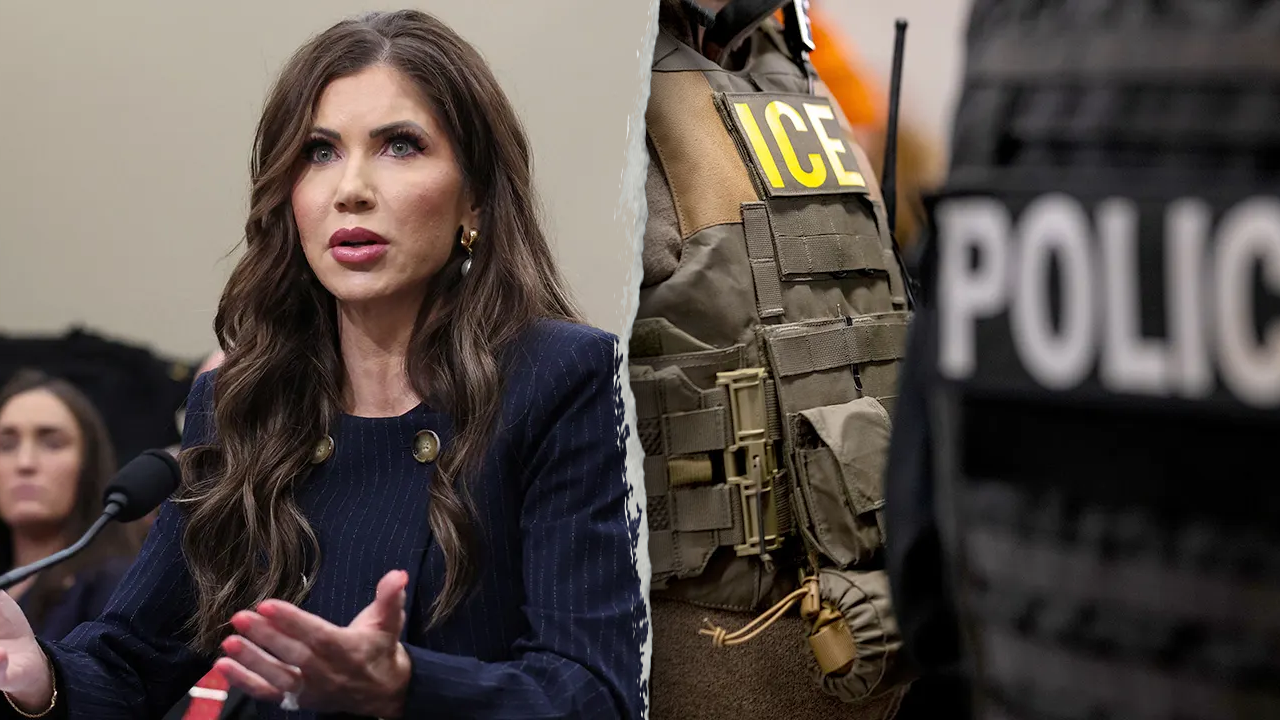
In what should have been a peaceful day of recognition, Law Enforcement Appreciation Day arrived amid a storm of controversy surrounding federal authorities, particularly those involved in immigration enforcement. The Department of Homeland Security recently revealed alarming statistics: officers face a 1,300% increase in assaults, a 3,200% increase in vehicular attacks, and an 8,000% increase in death threats while carrying out their duties across the nation. DHS Secretary Kristi Noem expressed gratitude for the more than 80,000 officers and agents who “put on the badge and put their lives on the line to protect the American people,” acknowledging the sacrifices made by both officers and their families. This expression of support comes at a critical time when federal law enforcement finds itself caught in increasingly heated political crossfire.
The escalating tensions were highlighted by a recent incident in Minneapolis, where federal authorities faced intense criticism following the fatal shooting of a woman who allegedly attempted to ram her vehicle into an ICE agent. Rather than viewing this as a matter of officer self-defense, many local and state officials condemned the federal presence in their communities. This incident exemplifies the growing divide in how federal law enforcement actions are perceived and portrayed. The White House responded by releasing a document titled “57 Times Sick, Unhinged Democrats Declared War on Law Enforcement,” cataloging instances where Democratic officials used inflammatory language to describe federal immigration authorities—comparing them to “secret police,” “authoritarian” forces, and even neo-Nazi groups. Some officials have gone as far as calling for the abolition of agencies like ICE altogether.
Amid this contentious atmosphere, many Republican officials took to social media to express support for law enforcement officers. Secretary Noem’s statement emphasized the Trump administration’s commitment to standing with federal officers, encouraging citizens to thank officers, prepare meals for them, or simply express appreciation for their service. This partisan split in attitudes toward federal law enforcement reflects deeper divisions regarding immigration policy and enforcement priorities that have intensified during the current administration’s crackdown on illegal immigration and the removal of migrants with criminal records. The polarized rhetoric has contributed to a working environment where officers face not only physical dangers inherent to their jobs but also hostility from the communities they operate in and criticism from elected officials.
Despite the controversy, DHS highlighted numerous instances of heroism by federal officers that transcend political disputes. In Dallas, ICE officers rescued a driver from an overturned pickup truck after a severe accident. In Denver, officers extracted a man with pinned legs from a vehicle moments before it became engulfed in flames following a multi-vehicle collision. A Homeland Security Investigations special agent in Texas saved a driver who had lost his arm in an accident, providing first aid and retrieving the detached limb. Another HSI agent detained a suspected hit-and-run driver in Washington, D.C., while others assisted an injured motorcyclist on the border between Texas and Mexico. These actions demonstrate the human dimension of law enforcement work that often gets overshadowed by political controversies.
Perhaps the most dramatic example shared by DHS involved an HSI agent who encountered a woman trapped in a vehicle with an engine fire. After breaking a window to help free her, the agent had to leap over a bridge railing to avoid being hit by speeding cars, one of which struck the disabled van and intensified the fire. The agent then returned to pull the woman from the burning vehicle, with everyone surviving with minor injuries. Federal authorities also conducted numerous rescues during floods in San Antonio, Texas. These accounts serve as powerful reminders that behind the badges and uniforms are individuals who routinely risk their lives to help others, regardless of the political climate or the criticism they may face.
The current situation facing federal law enforcement officers reflects America’s broader political polarization. While one side portrays immigration enforcement officials as necessary guardians of national security and public safety, the other characterizes them as emblematic of overreaching authority and harmful policies. Lost in this divide are the human stories—both of the officers who face increasing dangers while performing their duties and of those impacted by immigration enforcement actions. As rhetoric intensifies and incidents like the Minneapolis shooting generate further controversy, the challenge becomes finding a path forward that acknowledges legitimate policy disagreements while avoiding language that dehumanizes or endangers those tasked with enforcing the law. For the officers themselves, Law Enforcement Appreciation Day arrived not as a respite from these tensions but as a reminder of the increasingly difficult position they occupy in America’s fractured political landscape.