






New York’s Legal System: A $96.3 Billion Burden on Taxpayers and Businesses
New York’s legal system has become an expensive burden on its residents, with excessive litigation costing taxpayers and businesses a staggering $96.3 billion last year, according to a recent report by the American Tort Reform Association (ATRA). This translates to approximately $2,534 per New Yorker in what the report calls a “tort tax,” reflecting an 8.5% increase from the previous year. The ATRA has ranked New York as the second-worst “judicial hellhole” in the country, surpassed only by Los Angeles. Tiger Joyce, ATRA’s president, describes the situation bluntly: “We’re seeing staged car crashes, slip-and-fall schemes, and even unnecessary medical procedures—all orchestrated by unethical lawyers and corrupt doctors who prey on vulnerable people.” The report characterizes New York’s courts as “a playground for opportunistic trial lawyers and fraudsters,” where complex schemes spanning multiple industries flourish unchecked, creating what they’ve termed a “fraudemic” of legal abuse.
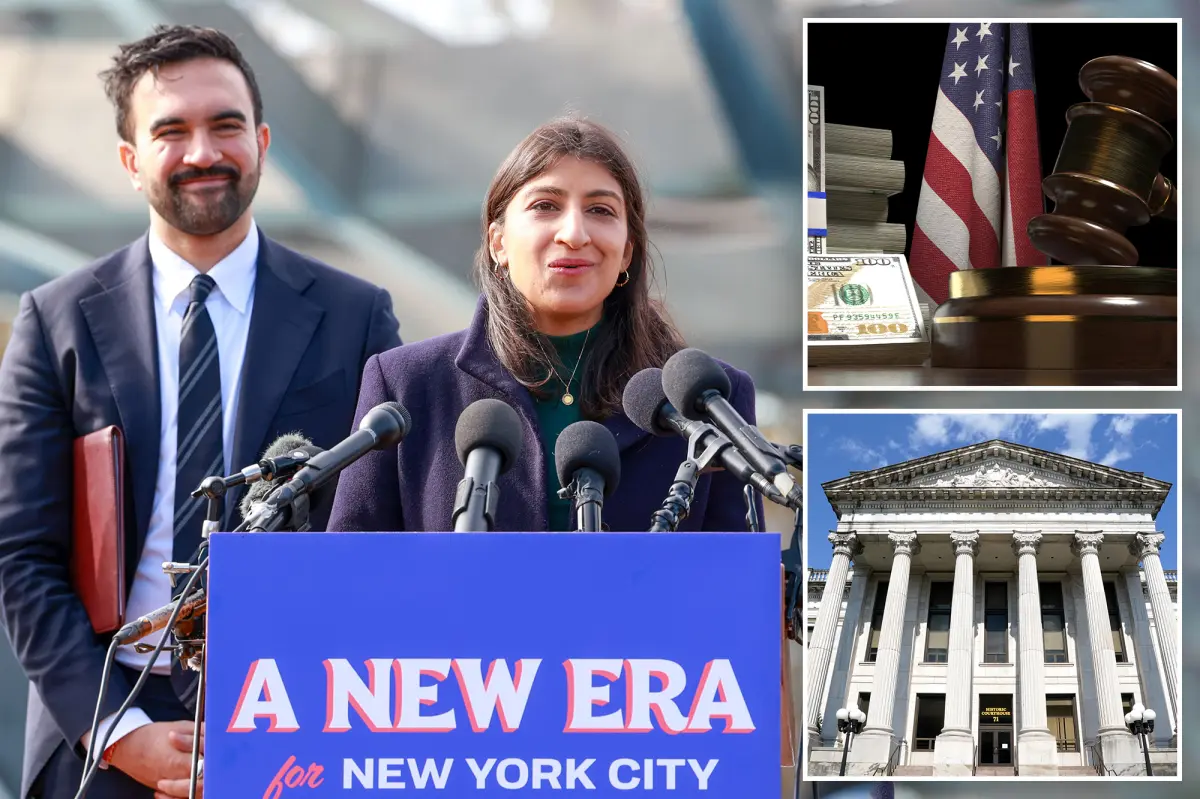
The impact of this legal environment extends far beyond courtroom walls, affecting everyday New Yorkers in numerous ways. Nearly 430,000 jobs are lost annually due to lawsuit abuse and excessive tort costs, according to the ATRA’s estimates. The situation is particularly concerning as Mayor-elect Zohran Mamdani prepares to take office with his top adviser Lina Khan, the progressive former Federal Trade Commission head who has expressed interest in using novel legal strategies to advance the administration’s agenda. Tom Stebbins, head of the Lawsuit Reform Alliance of New York, warned Mamdani in a recent letter that such an approach could contradict the mayor-elect’s promises to reduce red tape for small businesses. “The threat of costly litigation will discourage business development, undermine job creation, and further increase the cost of living,” Stebbins cautioned, adding that “solving New York’s affordability crisis means avoiding unnecessary, ideologically driven lawsuits—not actively pursuing them.”
The ATRA report highlights specific fraud schemes that have contributed to New York’s legal crisis, many of which target vulnerable populations, particularly foreign-born workers with limited English proficiency. These schemes include bogus trip-and-fall incidents, business scams targeting Medicare and Medicaid, and staged car accidents. State policies have inadvertently created fertile ground for such abuses. The no-fault insurance system and the scaffold law, which hold insurers and companies liable regardless of fault, have enabled lawyers to maximize payouts, with the costs ultimately passed on to consumers. The state’s Department of Financial Services reports that no-fault and healthcare fraud cases have doubled over the past four years, driving up insurance premiums statewide. Joyce explains, “New York’s tort tax is exploding because courts let fraudsters run amuck, sometimes even after they’re caught staging accidents and running elaborate schemes, even pushing vulnerable people to get unnecessary and expensive surgeries, all to run up potential insurance payouts.”
The financial consequences of New York’s legal environment are staggering. This year alone, over $154 million was awarded in just three high-profile tort cases in New York City. Additionally, tech companies are facing expanded liability, as evidenced by a novel lawsuit against TikTok and Instagram following the death of 15-year-old Zackery Nazario during subway surfing in 2023. The overall cost from excessive litigation expenses statewide has increased by approximately $7 billion compared to ATRA’s report last year, which the group attributes to rampant fraud and skewed state laws and policies. The report suggests that targeted reforms could potentially increase the state’s economy by almost $50 billion—but only if Albany lawmakers decide to take action.
Currently, Governor Kathy Hochul has several bills on her desk that could affect the situation. One bill would rein in the “legal lending” industry that fuels many questionable claims, potentially improving the situation. However, two other bills would likely exacerbate the problem, according to reformers. These bills would expand New York’s jurisdiction and allow plaintiffs to collect damages from third-party defendants, potentially encouraging more legal bloat and fraud. Many business groups are urging Hochul to veto both of these bills. The ATRA report acknowledges that some companies are fighting back against fraudulent claims by filing civil racketeering suits against both plaintiffs and law firms. These suits allege that some accidents are staged and injuries faked, with attorneys reportedly encouraging clients to undergo serious and unnecessary surgeries to increase final settlements.
Despite the dire situation, there appears to be a path forward if lawmakers and the incoming administration are willing to address the issue. The ATRA suggests that reforming New York’s legal system could save billions of dollars and create hundreds of thousands of jobs. Joyce emphasizes that the current crisis extends beyond legal technicalities: “It’s not just legal jargon—this is a real and growing crisis driving up insurance rates, inflating housing costs, and siphoning away billions from the economy.” As Mamdani prepares to take office, his administration faces a critical choice: to pursue novel litigation strategies that could worsen the situation or to work toward meaningful reform that could alleviate the financial burden on New Yorkers. The decision will likely have far-reaching consequences for the city’s economy, its businesses, and ultimately, its residents who continue to bear the cost of what the ATRA describes as a “national embarrassment” of a court system.