






The Quiet Breach in a Suburban Classroom
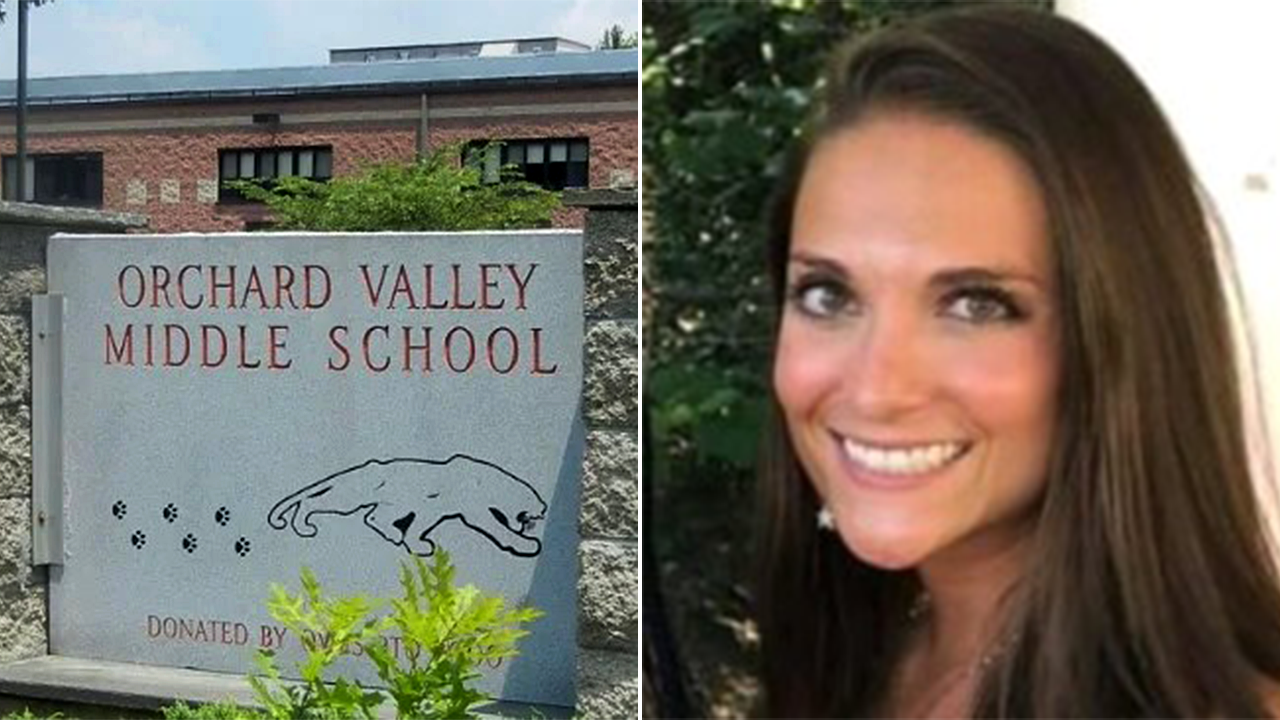
In the seemingly ordinary world of suburban New Jersey, where middle schools buzz with the energy of teenagers navigating adolescence, a trusted educator’s secret shattered lives forever. Ashley Fisler, once a 36-year-old social studies teacher at Orchard Valley Middle School in Washington Township, Gloucester County, had built her career on sharing history and inspiring young minds since 2014. Colleagues and parents alike saw her as dedicated, her online resume highlighting years of commitment to education. But behind the facade of lesson plans and parent-teacher conferences, something profoundly wrong unfolded in 2021. The arrest on Thursday marked the end of a nightmare for one victim, now an adult, who mustered the courage to report the details to police earlier this year. This wasn’t just a story of betrayal; it was a stark reminder of how power imbalances in trusted roles can lead to unthinkable harm, leaving scars on the innocent. As the community grapples with shock, questions arise about the signs that might have been overlooked—perhaps subtle changes in a student’s behavior, or the teacher’s increasingly distant demeanor after hours. Teaching is a noble profession, demanding empathy and protection, yet here it veered into exploitation, highlighting the vulnerability of young people under the care of adults meant to guide them.
The allegations painted a chilling picture of an adult’s abuse of authority. Fisler allegedly engaged in a sexual relationship with a student who was in her class, their encounters occurring in places both private and inexplicably public: her vehicle after school drop-offs, steeped in the innocence of teenage car rides, and even in the classroom itself, where chalkboards and textbooks stood as silent witnesses to the predator’s actions. Multiple incidents, as described by the victim to investigators, revealed a pattern of manipulation where the teacher, entrusted with shaping futures, instead stole moments of youth and innocence. Text messages recovered later corroborated the claims, not as flirty banter but as evidence of a relationship that crossed every professional and ethical boundary. Imagine the student, a middle schooler full of curiosity and dreams, caught in a web of secrecy and confusion, perhaps feeling special at first before realizing the depth of the violation. The emotional toll on the victim lingers long after the acts ended, affecting trust in authority figures and self-worth. This case underscores the critical need for vigilance in schools, where educators must be held accountable not just academically but morally, ensuring that no child feels pressure to comply or uncertainty in seeking help.
Official Charges and the Weight of Accountability
Charged with six counts of first-degree sexual assault of a minor, Fisler faces the full force of New Jersey law, each count carrying up to 20 years in prison—a testament to the state’s zero-tolerance stance on such crimes. Additional counts of second-degree endangering the welfare of a child and official misconduct add layers of accountability, each punishable by up to 10 years behind bars. These aren’t just legal labels; they reflect the systemic failure to protect those most fragile in society. The arrest came swiftly on Thursday, following the victim’s report, as law enforcement pieced together the timeline from 2021, when the teacher was still employed. Leaving her position in June 2023 for reasons now clear, Fisler is no longer teaching in Washington Township or anywhere else, a removal that signals irreversible damage to her career and reputation. Prosecutors, like those at Fox 29 who covered the case, emphasize that such charges aim to dismantle cycles of abuse by deterring others in positions of power. For the victim, now rebuilding life as an adult, justice feels vindicating yet bittersweet, knowing the perpetrator’s life continues while their own was irrevocably altered. Beyond the courtroom, this incident calls for broader reforms in education, such as mandatory training on boundary-setting and reporting mechanisms, ensuring teachers understand the lifelong impact of their actions on young lives.
Echoes of Similar Scandals
This arrest isn’t isolated in the landscape of educational misconduct. Just as a New Jersey teacher in a previous case slept with students at a family bagel shop and faced prison time, or a West Virginia educator was fired after charges of child sex abuse, Fisler’s saga adds to a troubling pattern. These stories, often buried in local headlines, reveal how widespread the issue of teacher-student exploitation can be, with victims sharing common threads of secrecy and manipulation. New Jersey’s history shows a proactive response, with educators removed and charged to restore faith in the system. Parents and students deserve environments where trust isn’t weaponized, and community leaders must advocate for rigorous background checks and psychological evaluations for teachers. The victim’s decision to come forward, years later, exemplifies bravery in the face of shame and fear—a reminder that healing starts with breaking silence. Societally, these cases prompt reflection on how we value mentorship, urging a shift toward empathy-driven policies that protect the vulnerable rather than shielding the powerful.
Lifelong Consequences for All Involved
The repercussions extend far beyond incarceration. For Fisler, a once-promising career in education is over, her name now synonymous with disgrace in Gloucester County’s tight-knit community. Colleagues might grapple with denial or outrage, questioning how someone they respected could betray such fundamental trust. The victim, having endured not just the incidents but the long-term trauma, may seek therapy to reclaim agency, turning pain into advocacy for others. Schools impacted by such scandals often face renewed scrutiny, with parents demanding transparency and reforms like anonymous reporting lines. Media coverage, as seen in the call to download the Fox News app, amplifies awareness but also risks re-traumatizing survivors through sensationalism. Yet, from darkness, there’s potential for change: support networks for affected students, professional development for educators, and public dialogues on consent and power dynamics. This human cost underscores why accountability matters—preventing one more youth from experiencing the confusion and isolation felt by countless others in similar situations.
Broader Societal Reflections
In humanizing this tragedy, it’s essential to consider the ripple effects on society. Teaching shapes generations, fostering critical thinking and dream-building, but when corrupted, it warps innocence and erodes faith in institutions. Families in Washington Township might now scrutinize teacher-student interactions, wary of the subtle ways predators blend professionalism with predation. The case highlights gendered and power imbalances, with female educators in such roles adding complexity to stereotyped narratives of abuse. Economically, legal battles drain resources from schools already strained by budgets, while emotionally, communities must heal collectively. Advocates push for survivor-centered approaches, ensuring voices like the victim’s guide policy, perhaps through legislation mandating trauma-informed education. Ultimately, stories like this serve as cautionary tales, urging proactive measures—like mentorship programs and oversight committees—to safeguard the classroom as a haven, not a snare. In restoring humanity, we acknowledge that every individual affected deserves compassion, justice, and a path to healing.
Listening to the Voices: A Call for Awareness
As Fox News invites audiences to “listen” to articles rather than just read them, this story begs for empathetic engagement. Audio formats allow the gravity of Fisler’s actions and the victim’s resilience to resonate personally, bridging the gap between headlines and real lives. For survivors of abuse, hearing about accountability provides hope amidst despair. Educators, listening in, might reflect on their own practices, committing to ethical boundaries. Parents, too, can tune in to learn red flags, fostering protective environments. In a world of digital consumption, such innovations humanize news, making complex emotions accessible—much like the student’s ordeal, which demands not just punishment for the perpetrator, but upliftment for the victims and prevention for the future. This is more than a report; it’s a narrative of warning, resilience, and the imperative to preserve the sanctity of young minds in our schools and society. By amplifying voices like the brave adult who reported the crime, we inch closer to a culture where trust is rebuilt through vigilance and care.