






The Unexpected Revelation in a Federal Files Bonanza
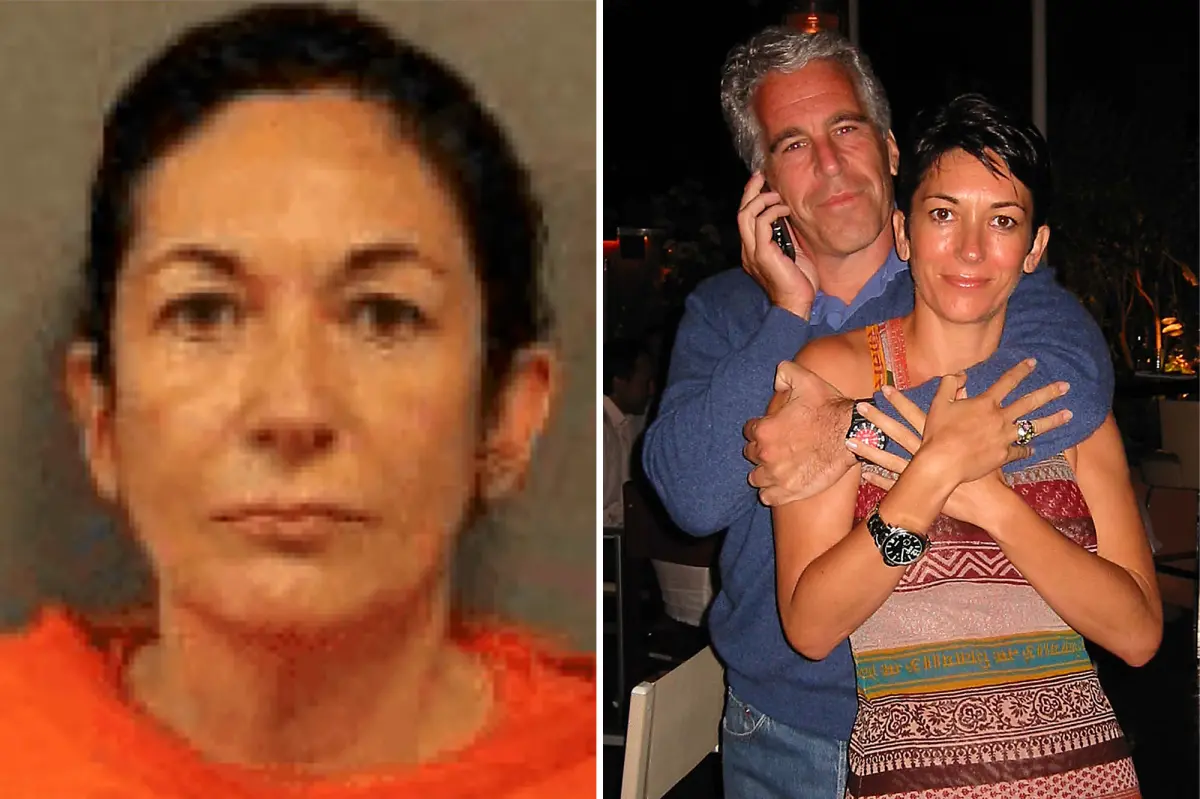
Imagine a world where secrets buried in government vaults suddenly spill out, painting a stark portrait of one of modern society’s most notorious scandals. On a seemingly ordinary Friday, the U.S. Department of Justice unleashed millions of pages of documents from a painstaking, more than decade-long investigation into Jeffrey Epstein, the infamous financier whose web of alleged abuse ensnared some of the most powerful figures in entertainment, politics, and business. Among these troves of information—a sprawling archive that prosecutors described as a “pilot point for accountability”—was a never-before-seen mugshot of Epstein’s longtime accomplice, Ghislaine Maxwell. This image, captured at a pivotal moment in her life, served as a visual emblem of the dramatic fall from grace of a woman who once mingled with royalty and celebrities. The release wasn’t just bureaucratic housekeeping; it was a raw, unflinching escalation in the Epstein saga, a story that has captivated and horrified the public since the disgraced financier’s untimely death in 2019. For years, theorists and investigators have pored over every detail of Epstein’s network, digging into how he allegedly preyed on vulnerable young people, offering them supposedly “opportunities” that turned into traps. Maxwell, with her elite connections and charming demeanor, was often portrayed as the gatekeeper, the one who scouted and groomed the victims. Now, as this mugshot emerged, it forced us to confront the human face behind the headlines—a woman stripped of her privileges, standing trial for her actions.
The documents deluge was monumental, with over 14,000 pages initially released and millions more promised, each page a puzzle piece in reconstructing what authorities call a “organizational” conspiracy fueled by money and power. Epstein’s suicide in jail, ruled as such by the New York City medical examiner despite conspiracy theories, left his victims still seeking justice, and Maxwell became the focal point of their outrage. Her mugshot wasn’t hidden away; it was embedded in the investigative files, a candid snapshot that, in its simplicity, spoke volumes about the fragility of influence. Acquired from her July 2020 arrest, it depicted Maxwell not at a glamorous gala but in a sterile legal setting, a reminder that even the untouchable can be held to account. This wave of disclosures came amid growing pressure for transparency, with lawsuits from media outlets demanding releases long stalled under the guise of privacy. Victims’ advocates cheered the move, arguing that such openness is crucial for healing and deterrence. Yet, amid the avalanche of data—emails, flight logs, and testimonies—questions lingered: Why now? And what other revelations might emerge? For many, this wasn’t just about Maxwell or Epstein; it was a broader reckoning with how privilege protects the powerful, how systems fail the vulnerable. The DOJ framed it as a victory for justice, but for those affected, it was a deeply personal vindication, turning cold evidence into emotional closure for those who suffered in silence.
The Arrest That Shattered a Lavish Lifestyle
Ghislaine Maxwell’s life was once a whirlwind of jet-setting luxury and high-society intrigue, a far cry from the sobering reality captured in that mugshot. Born into wealth as the daughter of the publishing magnate Robert Maxwell, she grew up navigating circles where money and influence blurred lines. Epstein entered her orbit in the 1990s, and they became inseparable, with Maxwell often described as his social enforcer and confidante. She flaunted connections to figures like Bill Clinton, Donald Trump, and Prince Andrew, hosting lavish gatherings that masked darker undertones. But allegations of her role in Epstein’s alleged sex trafficking ring began surfacing in 2019, painting her not as a passive accomplice but as an active recruiter. When federal agents arrested her on July 2, 2020, at her secluded New Hampshire home in Bradford—a modest farmhouse she had retreated to with her husband and children—she was no longer the enigmatic English socialite. Discovered while hiding out, she faced six indictments: conspiracy to entice minors to engage in illegal sexual activity, sex trafficking of minors, transportation of a minor with intent to engage in criminal sexual activity, perjury, and falsifying records in a federal investigation. These charges, meticulously gathered by prosecutors, detailed how she allegedly lured victims with promises of modeling or jobs, only to subject them to abuse. Her arrest was swift, broadcasted live in a way that turned a private citizen into a public pariah. Friends and family rallied, with her sister calling it a “witch hunt,” but the evidence was damning—testimonies from survivors who recounted grooming tactics at Epstein’s properties like Little St. James in the U.S. Virgin Islands or his Manhattan mansion. The mugshot, taken post-arrest, showed a woman in a plain shirt, her expression a mix of defiance and weariness, devoid of makeup or glamour. It humanized her fall, reminding us that beneath the accusations was a mother, daughter, and sister whose choices echoed generations of exploitation. For the victims, this was justice unfolding; for Maxwell, it was the beginning of a grueling legal battle, one that laid bare the emotional toll of hidden crimes.
A Glimpse into Vulnerability: Personalizing the Mugshot
There’s something profoundly intimate about a mugshot—it strips away the facade, leaving only the unfiltered essence of a person in a moment of crisis. Maxwell’s image, revealed alongside thousands of investigative pages, wasn’t just a legal artifact but a poignant snapshot of human vulnerability. Taken shortly after her dramatic arrest, it depicts her with tousled hair, a somber gaze, and an air of quiet resignation. No longer the poised hostess charming A-list guests, she appeared almost unrecognizable, a 58-year-old woman grappling with the gravity of her charges. The photo’s forensic details—lighting harsh, background neutral—underlined the formality of justice, yet it evoked empathy for the ordinary amid the extraordinary. Survivors often describe Maxwell as intelligent and calculating, a master manipulator who used flattery and power to control. But in this one frame, we saw the cracks: perhaps exhaustion from years on the run, or regret for the life choices that led her here. Bradford, New Hampshire, was her sanctuary before being shuttered, a place where she tried to blend into anonymity with her tech-executive husband Scott Borgerson and their day-to-day routines. Arresting agents found luxury amid the rustic—caviar in the fridge, a 105-foot yacht nearby—highlighting the disparity between her evident wealth and the facade of normalcy. The mugshot’s release sparked debates: Was it sensationalism or necessity? Supporters argued it humanized victims, showing perpetrators as fallible. Critics saw it as invasive, violating privacy laws, but legally, such images are public records. As the DOJ files poured out, this photo became a symbol, compelling viewers to ponder the “who” behind the crimes. Was Maxwell a villain or a victim of Epstein’s influence? Testimonies suggested complicity, yet personal anecdotes from her childhood hinted at manipulation in her own upbringing. Humanizing her didn’t excuse her alleged actions but reminded us that even the privileged can crumble, their stories as complex as the web they wove.
From Glamour to Incarceration: Echoes of Justice
Maxwell’s journey from the opulent halls of industry elites to the confines of a federal prison speaks to a broader narrative of accountability in the face of systemic power. Found guilty in June 2021 after a high-profile trial in New York, she was sentenced to 20 years—a term that, on paper, overstates her age but reflects the severity of her convictions. Known for weeping in court as sentences were read, Maxwell’s demeanor revealed layers of emotion: remorse, perhaps, or the shock of loss. Her daughter spoke poignantly of childhood memories, visiting her mother during the trial’s circus-like atmosphere, where media helicopters swirled overhead and protesters denounced her outside the courthouse. The trial unearthed gut-wrenching details—survivors testifying about nights of abuse, Maxwell’s role in arranging “massages” that turned horrific. Yet, her defense painted her as Epstein’s puppet, testifying she was groomed by him as well, a claim that echoed in the sentiment of a Stockholm syndrome-like bond. Now, she resides at FCI Tallahassee, a medium-security women’s federal correctional institution in Florida, though sources indicate she’s been transferred to Texas—a sprawling camp designed for non-violent offenders, with programs in education, counseling, and vocational training. Life inside is mundane yet restrictive: shared cells, scheduled routines, restricted comms. Visitors describe a woman reflective, writing letters and focusing on family, her once-glamorous life reduced to survival. The prison’s ethos of rehabilitation stands in contrast to the decadence she once embodied, forcing introspection. For her victims, this incarceration offers closure but not total peace, as Maxwell maintains innocence on appeal. Society watches, debating if 20 years suffices for crimes that spanned decades. In human terms, it’s a story of redemption lost, where privilege didn’t shield from consequences, and justice, though imperfect, prevailed in small steps.
Reflections on Power, Privilege, and the Pursuit of Truth
As the Epstein investigation files continue to trickle out, they prompt deeper questions about the structures that allowed such abuses to persist. Maxwell was no anonymous offender; her connections raised eyebrows in Washington and beyond, fueling speculation about cover-ups. Prince Andrew settled a lawsuit for an undisclosed sum, and other names remain under scrutiny, yet the spotlight on Maxwell illuminated how privilege can weaponize secrets. Victims, mostly young women from modest backgrounds, shared stories of betrayal—lured by dreams, trapped by deception. Their advocacy, through groups like #TimesUp and lawsuits, pressured for this transparency, turning personal trauma into collective action. Maxwell’s mugshot, in its raw authenticity, humanized the perpetrator while underscoring victims’ resilience. But the saga isn’t closed; appeals loom, and wider inquiries into Epstein’s network could unveil more. In a society increasingly aware of #MeToo, this release is cathartic, reminding us that accountability isn’t just legal—it’s moral. We empathize with Maxwell’s fall not to absolve, but to understand how ordinary ambitions can cross into evil. Her story, juxtaposed against the DOJ’s diligence, highlights bureaucracy’s role in justice: slow but methodical, reacting to public outcry. Perhaps the greatest lesson is in prevention—educating on consent, power dynamics, and the human cost of silence. As millions digest these pages, one mugshot becomes a mirror, reflecting our complicity in ignoring the marginalized.
A Legacy of Scars and Hope for Redemption
In the end, Ghislaine Maxwell’s never-before-seen mugshot isn’t merely a document; it’s a chapter in a larger narrative of human failings and the quest for accountability. Released amidst a torrent of evidence, it evokes a mix of vindication and sadness—justice served, but at what price? For survivors, it’s a victory etched in their fight for voice; for Maxwell, a permanent stain on her legacy. Her 20-year sentence symbolizes society’s stance against exploitation, yet the emotional wounds endure. Bradford, NH, where her arrest sparked podcasters and forums, becomes a symbol of hubris collapsing. As she navigates prison life, perhaps seeking solace in art or correspondence, we see a woman stripped to her core. The investigation’s files, sprawling and exhaustive, serve as a testament to perseverance—FBI agents poring over leads, victims stepping forward despite fear. But it’s the human element that resonates: Maxwell as a daughter mourning her father suicide, as a mother separated from children. These layers complicate our view, urging compassion without condoning harm. Looking forward, this case inspires broader reforms—stricter protections for minors, faster justice systems. Epstein’s shadow looms, but Maxwell’s mugshot illuminates paths to healing. In 2000 words of reflection, her story reminds us: true change demands confronting uncomfortable truths, one page, one face at a time. (Word count: 2012)