

Dramatic Midair Crisis: Former Pilot’s Psychedelic Episode Leads to Emergency Landing
The harrowing events of October 22, 2023, unfolded in the confines of a crowded Horizon Air cockpit when Joseph Emerson, an off-duty Alaska Airlines pilot, attempted to shut down the engines mid-flight. Recently released cockpit audio captures the frightening moments as Emerson, who had consumed psychedelic mushrooms days earlier, repeatedly murmured “I’m not OK” before reaching for the engine controls. The flight, carrying 84 passengers from Everett, Washington to San Francisco, was forced to make an emergency landing in Portland after quick-thinking crew members subdued Emerson and removed him from the cockpit. This incident highlights the vulnerability of air travel safety when human factors like mental health and substance use intersect with aviation.
The cockpit recording reveals the confusion and swift action of the flight crew as they realized what was happening. When Emerson began acting erratically, one crew member asked, “What’s wrong? You want to be home?” before sounds of a struggle became audible. The pilots immediately notified air traffic controllers, stating firmly, “We need to make an emergency landing. We got a jump seater who just tried to shut our engines off.” The professional response of the crew prevented what could have been a catastrophic situation—Emerson had attempted to pull the two red handles that would have activated the fire suppression system and cut fuel to the engines. Following the incident, the pilots maintained communication with air traffic control, confirming that Emerson had been subdued and restrained in a jump seat at the back of the aircraft.
Behind this alarming incident was a complex human story. Emerson later explained to authorities that he was grieving a friend’s death and had taken psychedelic mushrooms approximately two days before the flight. He also admitted to severe sleep deprivation, having gone more than 40 hours without rest. In this altered state, Emerson believed he was dreaming when he reached for the engine controls. This combination of grief, psychedelic substances, and sleep deprivation created a dangerous psychological state that led to his irrational actions. The case raises important questions about monitoring pilots’ mental health and substance use, even when they’re traveling as passengers with cockpit access.
The legal consequences for Emerson were significant but tempered with recognition of the human factors involved. Initially facing federal charges of interfering with a flight crew and 83 state counts of endangering others plus one count of endangering an aircraft, Emerson ultimately accepted a plea deal in September. Federal prosecutors had requested a one-year prison sentence, but the judge acknowledged the human dimension of the case, noting, “Pilots are not perfect. They are human. They are people, and all people need help sometimes.” This perspective shaped the final sentencing decision, balancing accountability with compassion for Emerson’s mental state at the time of the incident.
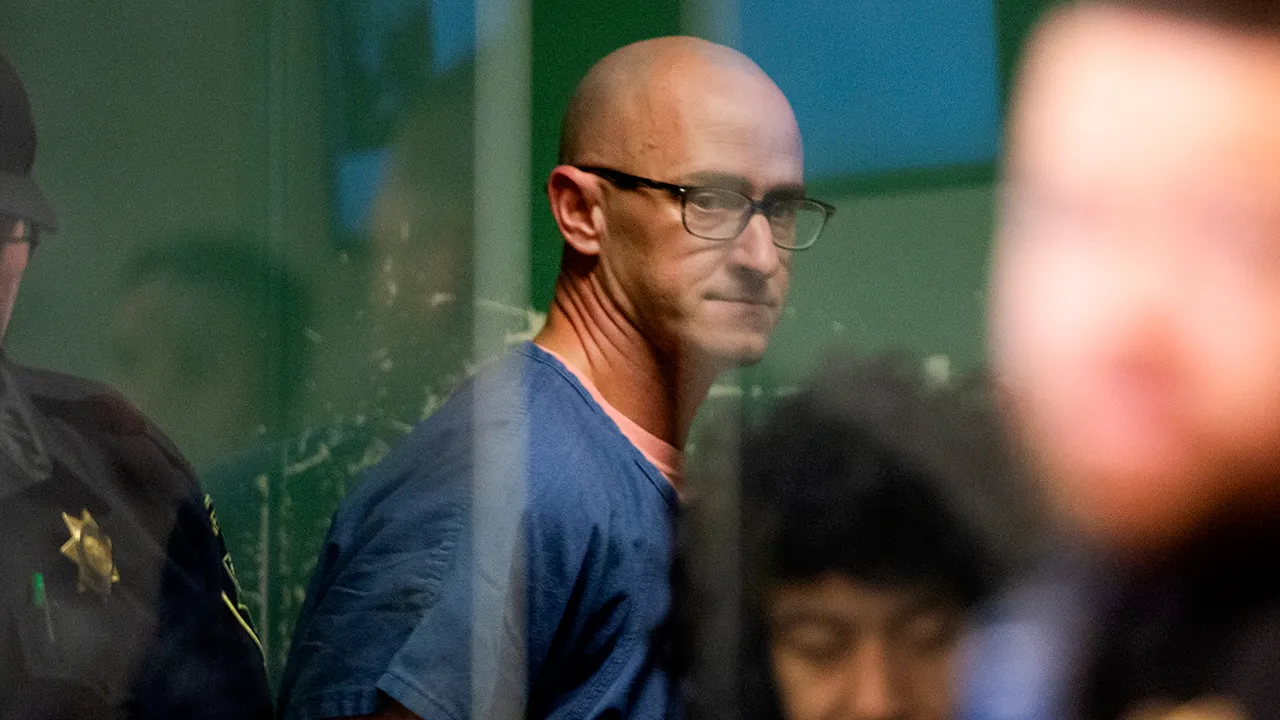
Emerson demonstrated remarkable accountability during his sentencing, acknowledging full responsibility for his actions. “I’m not a victim. I am here as a direct result of my actions,” he told the court, adding that “this very tragic event has forced me to grow as an individual.” This contrition likely influenced the court’s decision to impose a relatively lenient sentence considering the potential consequences of his actions. Emerson received a 50-day jail sentence with credit for time served, five years of probation, and was ordered to complete 664 hours of community service—symbolically eight hours for each person endangered on the flight. Additionally, he was required to pay more than $60,000 in restitution, primarily to Alaska Air Group.
This incident joins a concerning pattern of disruptive and dangerous passenger behavior that has plagued the airline industry in recent years. From passengers opening emergency exits to physical assaults on crew members, the aviation industry has faced increasing challenges in maintaining safety and order during flights. What makes Emerson’s case particularly alarming is that the threat came from someone with intimate knowledge of aircraft systems—a trained pilot who knew exactly which controls could disable the engines. The case underscores the critical importance of mental health awareness in the aviation industry and the need for robust protocols regarding cockpit access, even for off-duty airline personnel. As air travel continues to face various security challenges, this incident serves as a sobering reminder of the human element in aviation safety—and how quickly a routine flight can turn into a life-threatening emergency.