




Afghan National Charged with Federal Offenses in National Guard Shooting, Facing Potential Death Penalty
In a significant legal development, Rahmanullah Lakanwal, the Afghan national accused of a fatal shooting in Washington, D.C., now faces additional federal charges that could potentially result in the death penalty. The U.S. Attorney’s Office for the District of Columbia has charged Lakanwal with transporting a firearm in interstate commerce with intent to commit a serious offense and transporting a stolen firearm across state lines. These charges supplement his existing D.C. Code violations of first-degree murder while armed, assault with intent to kill while armed, and firearms possession during violent crimes. The November 26 attack resulted in the death of 20-year-old Sarah Beckstrom and left Andrew Wolfe with serious injuries, both of whom were National Guard members stationed near the White House.
The case’s transfer from Superior Court to District Court represents a strategic legal move, with U.S. Attorney Jeanine Pirro explaining that the shift “ensures that we can undertake the serious, deliberate and weighty analysis required to determine if the death penalty is appropriate here.” The gravity of this tragedy is particularly poignant as Beckstrom’s family faces the holiday season without their daughter, while Wolfe continues what doctors describe as a challenging recovery journey. Attorney General Pam Bondi has already indicated the Department of Justice’s intention to pursue capital punishment in this case, underscoring the seriousness with which federal authorities view these charges.
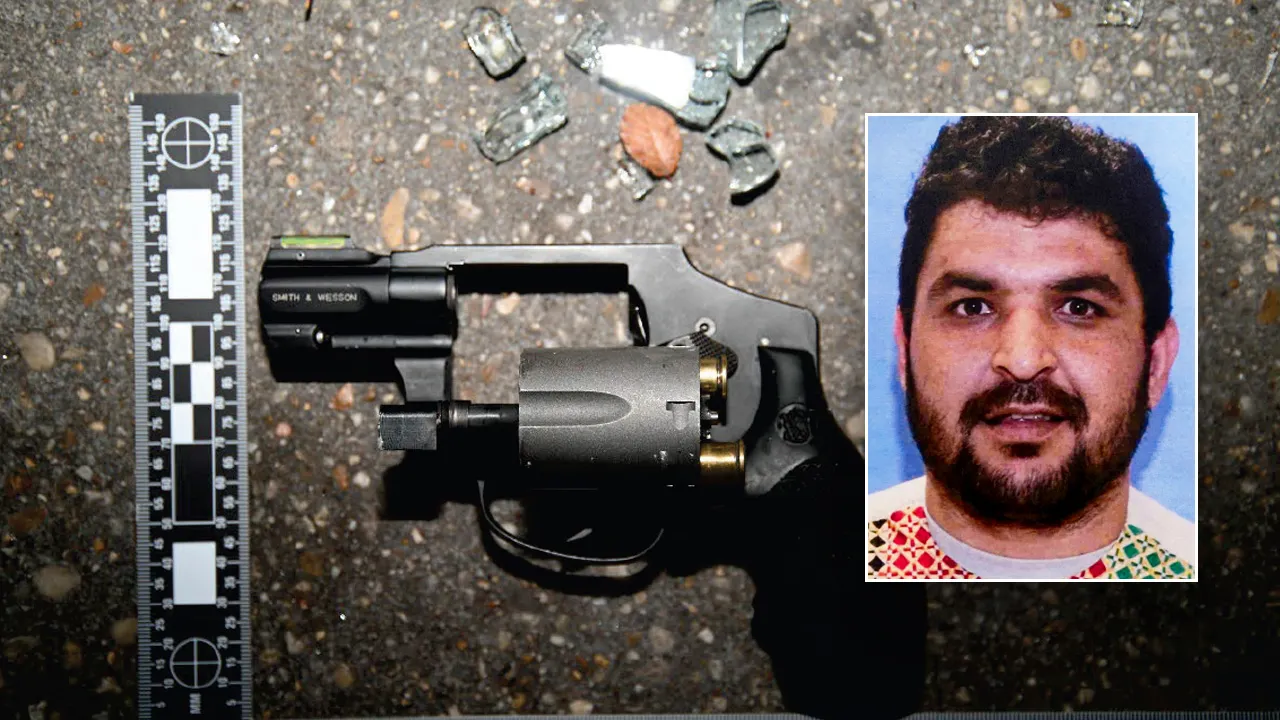
According to an FBI affidavit released this week, the weapon used in the shooting was a .357 Smith & Wesson revolver that had been stolen from a Seattle home in May 2023. Investigators detailed how Lakanwal acquired the firearm on November 14 from an individual in Bellingham who reportedly provided it because “he believed Lakanwal wanted it for personal protection while working as a rideshare driver.” The day following this transaction, Lakanwal purchased additional .357 caliber ammunition from a local sporting goods store, suggesting preparation beyond simple self-defense needs.
The investigation has uncovered digital evidence potentially indicating premeditation. FBI records show that approximately two hours after purchasing ammunition, Lakanwal searched for “Washington, D.C.” in Google Maps. More tellingly, the following day, he specifically searched for “The White House, 1600 Pennsylvania Ave NW, Washington, DC 20500.” Investigators noted the significance of these searches, as the subsequent shooting occurred just two blocks from the White House. This digital trail has become central to the prosecution’s developing case about Lakanwal’s intentions prior to traveling across state lines.
The case has drawn national attention not only for its tragic outcome but also because of previous revelations about Lakanwal’s background. Former Director of National Intelligence John Ratcliffe had earlier disclosed that Lakanwal had worked with U.S. government entities in Afghanistan, including the CIA. This complex history has added layers to public discourse surrounding the case, raising questions about vetting processes for Afghan nationals who worked alongside American forces and agencies. The contrast between Lakanwal’s former association with U.S. interests and the charges he now faces has become a point of significant media focus.
As the legal proceedings advance toward a potential capital case, both families affected by the shooting face profoundly different futures. Medical updates indicate that Wolfe, though seriously injured, has shown what his doctors describe as “extraordinary progress” and can now breathe independently. Meanwhile, the Beckstrom family confronts the permanent absence of their daughter. U.S. Attorney Pirro’s statement acknowledged this stark reality, noting that while Wolfe has “a long road ahead in his recovery,” he survived “by the grace of God” – a blessing tragically denied to Sarah Beckstrom. The case continues to develop as federal prosecutors build what they clearly intend to be an airtight case against Lakanwal, with the ultimate penalty potentially at stake.