







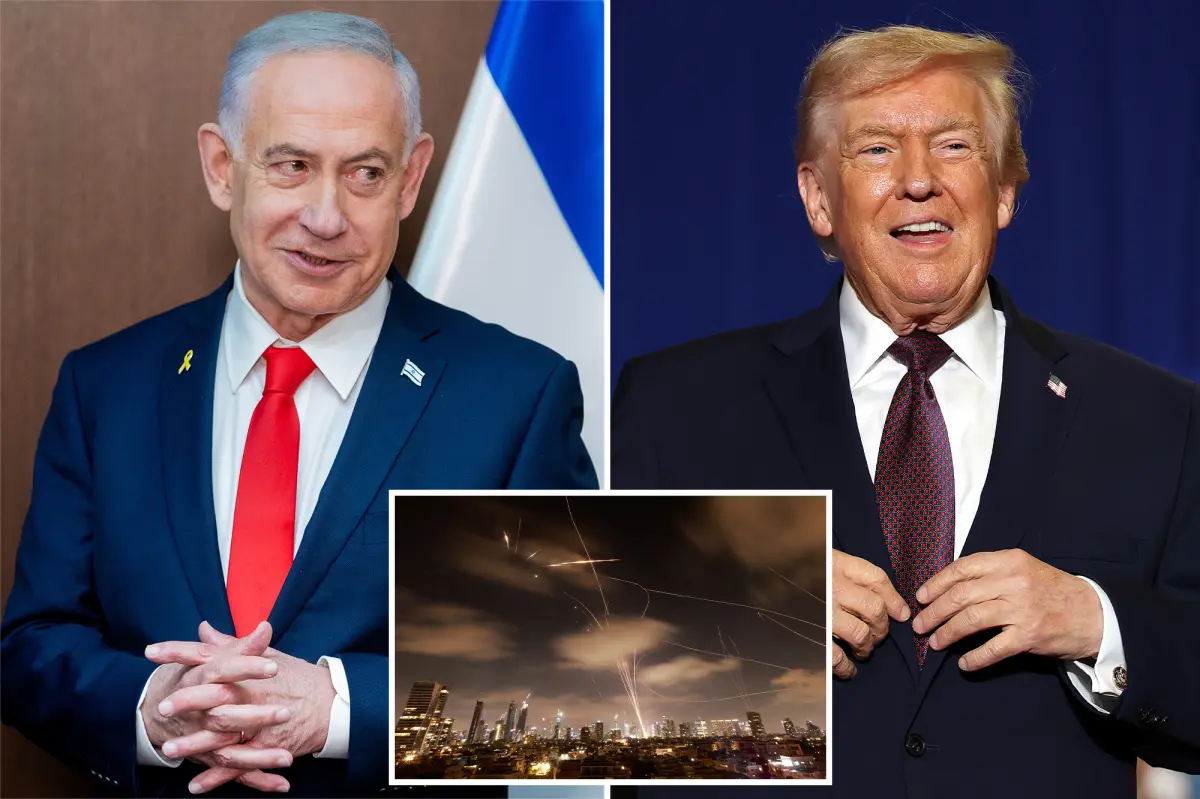
Netanyahu to Present Iran Strike Plan to Trump at Mar-a-Lago Meeting
Israeli Prime Minister Benjamin Netanyahu is preparing to meet with President Trump at Mar-a-Lago on December 29, where he is expected to propose a potential military strike against Iran. According to intelligence sources who spoke with NBC News, Netanyahu plans to share growing Israeli concerns about Tehran’s efforts to rebuild critical military capabilities that were severely damaged during recent conflicts. The timing of this meeting is significant, coming just weeks before Trump is set to return to the White House, suggesting Israel may be seeking early support for aggressive action against what it perceives as renewed Iranian threats.
At the center of Netanyahu’s concerns is intelligence suggesting Iran is actively reconstructing its ballistic missile program, which was largely destroyed by Israeli forces during the intense 12-Day War in June. This rapid rebuilding effort has alarmed Israeli security officials, who view Iran’s missile capabilities as a direct threat to their nation’s existence. Netanyahu’s presentation is expected to include detailed intelligence assessments and satellite imagery documenting what Israel believes is an accelerated Iranian effort to restore these offensive capabilities. For Israel, which remains within range of Iranian missiles, the stakes of this reconstruction are particularly high, creating a sense of urgency behind the Prime Minister’s diplomatic push.
Perhaps even more worrying to the Israeli leadership is intelligence suggesting Iran is simultaneously working to reconstitute its nuclear enrichment facilities, including the underground Fordo complex. This facility was reportedly severely damaged on June 22 during “Operation Midnight Hammer,” a mission carried out by American B-52 bombers that dealt a significant blow to Iran’s nuclear infrastructure. The prospect of Iran rebuilding both its nuclear enrichment capabilities and delivery systems represents what Israeli officials consider a “nightmare scenario” that could fundamentally alter the strategic balance in the Middle East. Netanyahu’s team has been carefully preparing evidence of these activities to present to Trump, hoping to convince the incoming administration that immediate action may be necessary.
The meeting’s strategic timing – occurring during the presidential transition period – reflects Israel’s desire to secure American support for potential military action before Iran can fully restore its capabilities. Sources close to the discussions suggest Netanyahu will frame the situation as requiring “swift action,” potentially laying groundwork for either joint operations or American support for Israeli strikes. This approach aligns with Israel’s historical security doctrine of preventing hostile nations from developing nuclear weapons capabilities, as demonstrated by previous strikes against nuclear facilities in Iraq and Syria. The Israeli leader likely sees an opportunity to establish early commitment from the incoming Trump administration to counter what Israel perceives as an existential threat.
For President Trump, who has historically maintained a hardline position toward Iran, this meeting presents significant implications for his upcoming second term’s foreign policy. During his first administration, Trump withdrew from the Iran nuclear deal and pursued a “maximum pressure” campaign against Tehran. The proposed military action would represent a major escalation of that approach, potentially drawing the United States into direct military confrontation with Iran. How Trump responds to Netanyahu’s proposal could signal the direction of American Middle East policy for the next four years, particularly regarding whether military force rather than diplomatic or economic pressure will be the preferred tool for addressing Iran’s nuclear ambitions.
The potential for renewed conflict comes at a time of already heightened tensions across the Middle East, with ongoing hostilities involving Israel and Iranian proxies in multiple theaters. Should either Israel or the United States proceed with strikes against Iranian facilities, the risk of regional escalation would be substantial, potentially drawing in other powers and proxy forces across multiple countries. The deliberations between Netanyahu and Trump at Mar-a-Lago could therefore have far-reaching consequences for regional stability, global energy markets, and international non-proliferation efforts. While Israeli officials believe decisive action is necessary to prevent Iran from acquiring nuclear weapons capability, critics argue that military strikes might only delay rather than eliminate the Iranian program while risking a wider conflict with unpredictable consequences.