







NASA Makes Unprecedented Decision to Bring Crew Home Early from International Space Station
In a historic first for space exploration, NASA Administrator Jared Isaacman announced on Thursday that the space agency has made the difficult decision to bring Crew-11 home early from the International Space Station following a medical emergency in orbit. This marks the first time in the station’s 25-year operational history that a mission has been cut short due to health concerns, underscoring NASA’s unwavering commitment to astronaut safety above all else. The medical situation, which developed on January 7, has since stabilized, but after thorough consultations with medical experts and agency leadership, the determination was made that an early return was the most prudent course of action.
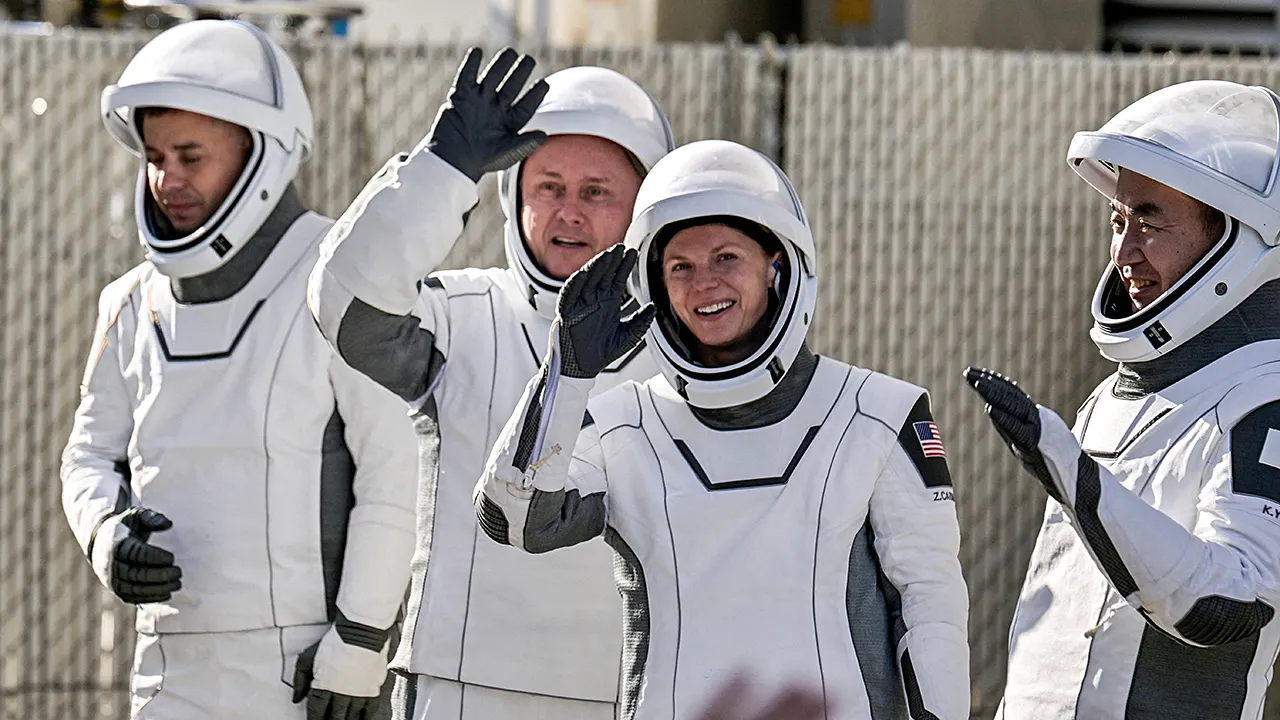
“For over 60 years, NASA has set the standard for safety and security in crewed space flight,” Isaacman stated during Thursday’s news conference, emphasizing that “the health and the well-being of our astronauts is always and will be our highest priority.” The SpaceX Dragon Endeavour spacecraft will transport the crew back to Earth within days, significantly ahead of their originally planned return date. Crew-11, consisting of Commander Zena Cardman, pilot Mike Fincke, Japan Aerospace Exploration Agency astronaut Kimiya Yui, and Russian cosmonaut Oleg Platonov, had arrived at the ISS in August and was expected to complete a standard six to eight-month mission. Though the specific nature of the medical issue remains undisclosed for privacy reasons, the gravity of the situation is evident in NASA’s unprecedented response.
Space historian and NASA expert Rod Pyle highlighted the extraordinary nature of this decision, noting, “The declaration of a medical emergency in space is unprecedented, certainly in the operation of the International Space Station, which has been crewed continuously for 25 years.” While the ISS has weathered medical situations before—including a notable case of deep vein thrombosis in an astronaut that was successfully treated in orbit—this represents the first instance where a crew member’s condition has necessitated an early return to Earth. “This is the first time in the history of the ISS, and as far as I remember, the first time in the history of the American space program, where somebody had to be brought home early, in effect, evacuated from orbit,” Pyle observed, placing the decision in its proper historical context.
The logistical challenges of such an early return are considerable, involving the complex coordination of spacecraft systems, reentry timing, and recovery operations—all while ensuring the continued safe operation of the ISS itself. The crew’s premature departure will inevitably impact the scientific research schedule aboard the station, potentially disrupting carefully planned experiments and data collection activities. Astronauts typically divide their time between conducting research and maintaining the aging space station, with nearly half of their hours dedicated to scientific endeavors that benefit life on Earth. The remaining three astronauts aboard the ISS will now shoulder additional responsibilities, working to minimize disruption to critical research initiatives while ensuring the station’s continued smooth operation.
Pyle commended Isaacman’s handling of this challenging situation, noting that while the research implications are significant, they pale in comparison to the paramount concern of astronaut health and safety. “The ripple effects of this are pretty significant. Certainly, they’re nothing as serious as having a life-threatening medical issue,” he explained. “So it’s the right decision for them to come home. And I think we’re all happy that Jared Isaacman was in the seat to make that decision as the new NASA administrator. I think he handled this very well.” This event showcases the delicate balance NASA must maintain between advancing scientific discovery and prioritizing human welfare, a balance that has defined the agency’s approach to space exploration since its inception.
The timing of this unprecedented medical evacuation adds an additional layer of complexity to NASA’s ongoing space station operations. With the International Space Station scheduled for deorbiting in 2030 and private companies working to develop replacement facilities, every moment of research time on the ISS has become increasingly precious. As Pyle observed, “We don’t have a lot of time left with the International Space Station as it is being de-orbited in 2030. It remains to be seen how quickly the private companies will be replacing it.” This situation serves as a poignant reminder of the inherent risks of human spaceflight and the extraordinary measures NASA will take to protect its astronauts, even as the agency works to maximize the scientific returns from humanity’s longest-running off-world outpost. As Crew-11 prepares for their unexpected journey home, the space community watches with both concern for the affected astronaut and admiration for the swift, decisive response that exemplifies NASA’s enduring commitment to placing human life above all other mission objectives.