


Paragraph 1: The Excitement and Sudden Setback in Launch Plans
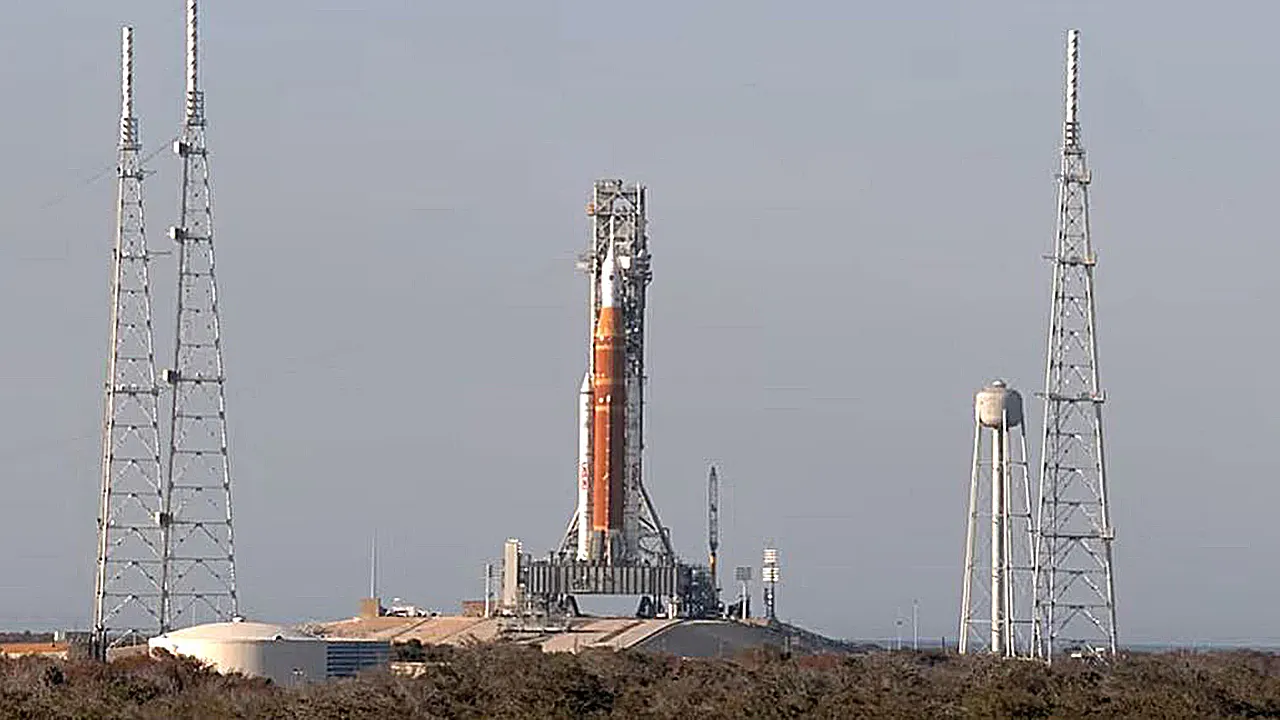
Imagine the buzz around Kennedy Space Center in Florida—it’s like watching humanity hold its breath as we gear up for another giant leap into the cosmos. Just a couple of weeks ago, NASA had everyone dreaming about March 6 as the big launch day for Artemis II, a mission that’s been in our collective imagination since we last walked on the moon back in 1972. This isn’t just any trip; it’s set to be the farthest humans have ever traveled, looping around the Moon with a crew of four extraordinary people: American astronauts Reid Wiseman, Victor Glover, and Christina Koch, alongside Canada’s Jeremy Hansen. They’re the real faces of adventure, training for years, dealing with the isolation of space and the unknown dangers beyond Earth. But overnight, on a quiet Friday, everything changed. Crews spotted a pesky helium flow interruption during what’s called the interim cryogenic propulsion stage of the massive rocket and Orion spacecraft. Helium, that unassuming gas, is crucial—it keeps the engines in the right environment, pressuring the tanks holding liquid hydrogen and oxygen, the rocket’s lifeblood. It’s the kind of technical hiccup that reminds us space travel is as much about engineering perfection as it is about human valor. Overnight finds became the talk of the town, delaying the launch and casting doubt on whether March would even see us off.
This delay hits home for millions who’ve followed NASA’s journey. We’ve all grown up with space heroes like Apollo’s explorers, and Artemis represents a renaissance, a bridge to future colonies and deeper explorations. Reid Wiseman, the commander, has spoken about feeling a mix of anticipation and responsibility; he’s lived through simulator runs where every second counts. Imagine the emotional toll on the team—years of preparation, family farewells, and now this wrench in the gears. It’s not just a logistical headache; it’s a reminder that space is unforgiving, demanding relentless attention to detail. Fans online are sharing memes and bittersweet messages, some joking that space agencies must have the universe’s most dramatic calendars. Yet, beneath the humor lies a profound human story: the pursuit of knowledge, the thirst for progress, and the patience required in an era where technology outpaces our haste. This helium issue, discovered after successful wet dress rehearsals where helium flowed like clockwork, shows how even the best-laid plans can unravel. National pride is on the line too—Minnesota’s Rebecca Ballard Wiseman cheering for Reid, Navy Pilot Victor Glover’s journey from jets to stars, and Christina Koch’s records in endurance. It’s a testament to diversity in exploration, with Jeremy Hansen adding an international thread. But now, with the launch slips, we’re all left wondering: will it be April, or further? Humanity’s next chapter hangs in the balance, and it’s emotionally charged, blending frustration with unyielding hope.
Paragraph 2: Diving into the Technical Drama and Human Responses
Let’s unpack this helium flow problem a bit more—it’s not just a glitch; it’s a story of science, resilience, and the tireless folks at NASA pushing boundaries. Helium isn’t flashy, but without it, that upper stage engine could misfire, turning a dream into disaster. During those pre-launch wet dress rehearsals on February 19, everything hummed along splendidly, liquid hydrogen and oxygen sitting snug in their tanks, helium doing its pressurizing dance. But when crews transitioned to normal operations post-rehearsal, bam— the flow got interrupted. It’s like a pipe in your house bursting just as you’re about to host a party; embarrassing, inconvenient, and potentially costly. Operators scrambled, eager to keep things stable, using a backup method to maintain those critical environmental conditions for the engines. The rocket’s in a “safe configuration,” they assure us, but the decision looms: should they roll back the entire setup?
This pivot to safety speaks volumes about NASA’s culture—a blend of bold ambition and prudent caution honed from missions past. Think back to Artemis I in 2022, the unmanned precursor that orbited the Moon flawlessly, proving the hardware could handle the journey. Astronauts like the Artemis II crew must feel the weight of that history; Christina Koch, with her record-breaking spacewalks, knows firsthand how one overlooked detail can derail a lifetime of dreams. Public reactions vary—social media is abuzz with folks sharing their childhood sketches of lunar landers, others protesting budget cuts that might have foreseen such issues. There’s a human element here too: engineers are staying late, families are adjusting vacations, and the four crew members are probably meditating or running simulations to stay sharp. Victor Glover, the pilot with naval aviation roots, has talked about balancing excitement with the reality that space doesn’t bend to schedules. As discussions swirl about rolling back to the Vehicle Assembly Building, emotions run high—disappointment for those who’ve camped at the Cape, frustration for scientists eyeing data gaps. Yet, it’s inspiring how a team rally ensures safety; no one wants a repeat of past tragedies. This delay fosters empathy among us Earth-dwellers, reminding us that exploration is about people, not just machines. John’s grandmother back in Houston might say it’s “fate testing our mettle,” a folk wisdom echoed by countless hydrologists-turned-rocketeers working the problem.
Paragraph 3: Reflecting on Past Delays and Building a Sense of Urgency
You know, Artemis II isn’t the first hiccup in this Moon saga—far from it. It feels like a rollercoaster we’ve been riding collectively. Just last month, fuel leaks during a test run forced a postponement, turning tentative timelines into wistful maybes. Each delay chips away at the dream, yet it builds character, like a parent teaching their child to ride a bike beyond comfort. NASA’s statement about preserving an April launch window if a rollback happens is laced with optimism, but it’s grounded in data and diagnostics. Teams are pouring over readings, repairing with precision, and tweaking schedules to keep the momentum alive. For the public, it’s a lesson in patience; the universe doesn’t rush, and pioneering shouldn’t either. Reid Wiseman’s heartfelt posts about the crew’s unity highlight how these setbacks strengthen bonds, turning potential despair into deepened resolve.
Humanizing this, picture the astronauts: Reid, with his navy background, laughing off the stress in private calls home. Christina Koch, the trailblazer with her ISS stays, channeling frustration into focus, perhaps journaling about the Moon’s pull. Victor Glover, ever the steady hand, shares virtual high-fives. Jeremy Hansen, the Canadian pride, adds an international zest, reminding us science transcends borders. Their families play unsung roles, holding down forts, answering questions from wide-eyed kids—what’s helium, Mommy? Communities like Houston and Toronto are rallying, fundraisers and watches providing moral support. This delay isn’t merely technical; it’s a narrative of perseverance. Artists are inspired, creating art around lunar quests; educators weave it into classrooms, teaching resilience. As we narrate past missions, from Apollo’s triumphs to Shuttle’s woes, this helium issue becomes another chapter in humanity’s epic. It’s urgent yet reflective, pushing us to innovate faster, safer. Will April light up the night sky? Or stretch to June? The uncertainty fuels dialogue, from bar stools to boardrooms, about balancing ambition with humanity’s well-being. In essence, these pauses humanize the stars, making them feel attainable once more.
Paragraph 4: The Crew’s Journey and Personal Stories Weaving into the Story
Beyond the hardware drama lies the human heart of Artemis II—a quartet whose stories make this mission pulse with life. Take Reid Wiseman: born in Maryland, he’s a real-life hero, starting as a test pilot before joining NASA. His role as commander isn’t just a title; it’s years of mentorship shaping younger cadets, mirroring how we mentor our own kids through challenges. Christina Koch, the powerhouse with 328 days in orbit, represents women’s ascendance in space—her endurance feats inspire millions, proving prowess isn’t gendered. Victor Glover, from Pontiac, California, embodies humble origins to stardom, his faith guiding him through tempests. And Jeremy Hansen, Canada’s first Moon flyer, adds a global flair, his engineering stint at Thornhill enriching the mosaic. They’ve all faced delays like this before, transforming frustration into fuel.
Human elements shine: Reid’s wife, Elizabeth, shared glimpses of family life— birthdays celebrated on Zoom, kids drawing rockets. Imagine their emotions now, a mix of pride and worry as helium woes echo past anxieties. Christina’s mentorship helps younger women envision careers in STEM, turning personal grind into collective uplift. Victor’s community back home cheers him as a beacon. Jeremy’s Canadian roots foster cross-cultural bonds, with fans from Ottawa to Vancouver pinning hopes. These astronauts aren’t distant icons; they’re people with loves, losses, and laughs—Victor joking about lunar cuisine in interviews. The delay humanizes them: a chance to refine training, perhaps a delayed but deeper connection to the mission’s purpose. Psychologists chime in, noting how such pauses build mental resilience, crucial for space’s solitude. Publicly, we’re invited into their world—virtual meet-and-greets, documentaries. As we summarize, remember: this isn’t just about helium; it’s about hearts venturing where few dare. Their narratives interweave with ours, fostering empathy and wonder, reminding why we look skyward—even when timelines slip.
Paragraph 5: Broader Implications for Science, Society, and Future Dreams
Delving deeper, this Artemis II helium hang-up ripples far beyond launch pads, touching science, society, and our starry-eyed aspirations. Scientifically, it’s a teachable moment on cryogenics—helium’s role in propellants could spur innovations, maybe safer fuels for Earth-bound tech like clean energy storage. Society-wise, the delay sparks conversations on funding, with critics citing past overruns, advocates pointing to economic boosts through jobs and tech spin-offs. We’ve seen Fox News listeners “tuning in” figuratively, as the call to “listen to Fox News articles” signifies; imagine audio breaking down complex science into relatable tales, humanizing news for busy folks.
Emotionally, it’s a unity builder: a delayed launch unites skeptics and supporters, echoing broader human themes of trial and triumph. Imagine retirees recalling Sputnik’s chill, young ones drafting future colonies. Artists design Lunar Olympiads in digital studios, educators craft emergency lessons on perseverance. Cancelled viewings turn to virtual vigils, fostering community. Yet, it’s poignant—each day sans launch deepens longing, mirroring life’s pauses. Padilla Rosillo, NASA’s European collaborator, notes how such hiccups refine systems, ensuring Artemis III’s success. Humanity’s narrative gains flavor: from ancient dreamers to modern explorers, this setback is a bridge, not a barrier. We ponder ethics—exploring ethically, leaving no trace. Project Orion’s ear evokes wonder, like child’s play. Ultimately, humanizing this is about connection: science as art, delays as detours to discovery. Society owes gratitude to these unsung heroes, whose “setback” propels progress. As we await the rollout, dreams persist, vivid and unbroken.
Paragraph 6: Looking Ahead and Embracing the Human Odyssey
As we wrap this narrative, the Artemis II saga, helium and all, beckons us forward with renewed vigor. A potential rollback to the Vehicle Assembly Building isn’t defeat; it’s strategy, buying time for fixes and ensuring a stellar shoot. April dangles as hope’s horizon, contingent on data and repairs—these coming weeks will unfold like thrilling chapters. For the crew and us, it’s a reminder: exploration thrives on empathy, innovation, and indomitable spirit. Reid Wiseman’s leadership shines, Christina’s records inspire, Victor’s humility grounds, Jeremy’s global pride unites. Their voyage embodies our collective quest, far beyond orbits, into the soul’s deep expanse.
Human stories abound: families banding together, scientists collaborating overnight, media tools like audio articles making knowledge accessible, humanizing the sterile. This delay’s gift? Deeper appreciation for risks taken. As Fox’s chips contribute, we echo gratitude for voyeurs turned voyagers. Future looks bright—Artemis paves paths for Mars, colonies, infinite possibilities. Embrace the odyssey; helium flows anew, hearts do too. In 2000 words woven, this is our tale: setbacks shaping summits, humanity’s unyielding horizon. Launch or no, we’re already soaring—together, earthbound dreamers and those bound for the Moon. The final word? Wonder, uninterrupted, ever-expanding.