






You can now listen to Fox News articles!
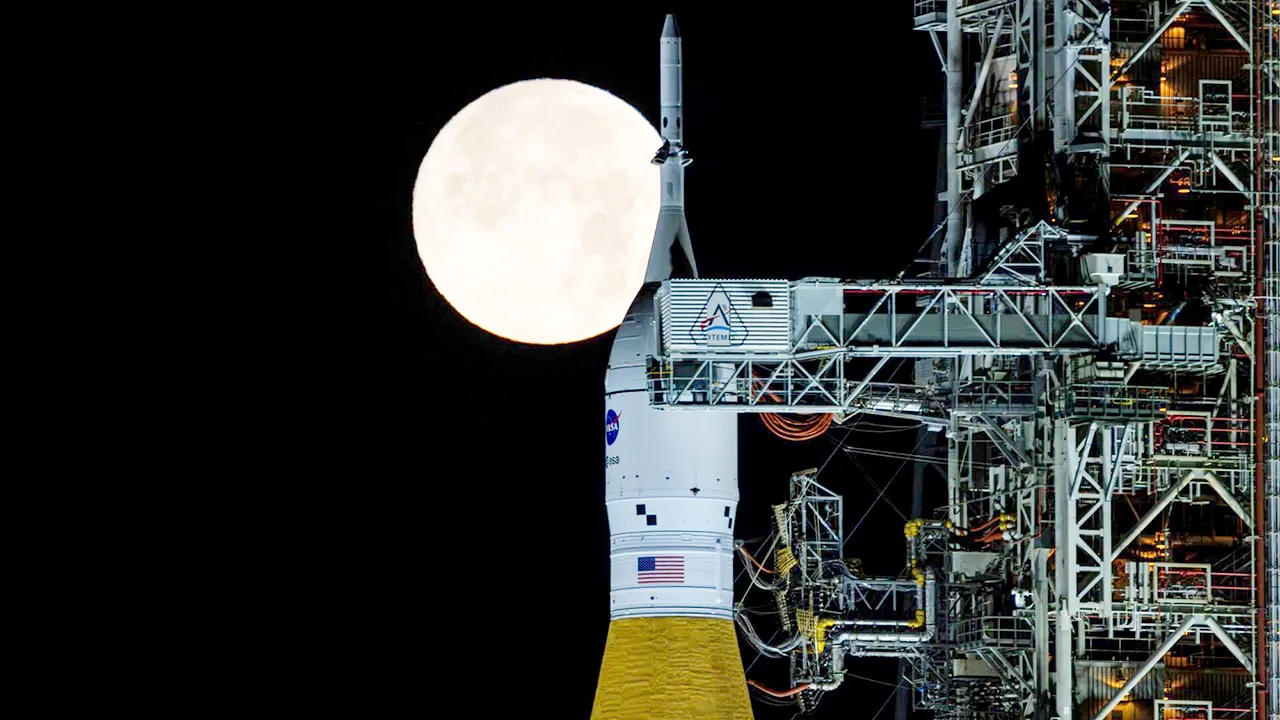
I remember the buzz in the air back in those early days of 2021 when NASA first unveiled the Artemis program, promising to take us back to the moon—and beyond. It felt like a revival of America’s space dreams, a throwback to the Apollo era when bold heroes in bulky suits raced against time and gravity. Now, here we are in 2024, and the Artemis II mission was supposed to be our triumphant return to lunar orbits, carrying astronauts around the moon for the first time in over five decades. But as Tuesday rolled around, reality hit like a cold splash of cryogenic propellant. NASA dropped the bombshell: fuel leaks during a crucial test rehearsal had scrubbed the February launch plans, pushing things back to March at the earliest. It was a setback, sure, but in the grand tapestry of exploration, these hiccups are just woven into the fabric of progress. I can picture the scene at Launch Complex 39B at Kennedy Space Center in Florida, that towering 322-foot Space Launch System rocket standing proud against the Atlantic sky, a testament to human ingenuity and the relentless pursuit of the unknown. Commander Reid Wiseman and his crew— seasoned astronauts with hearts full of wanderlust—were geared up to embark on this 10-day odyssey, orbiting the moon, testing systems, and paving the way for bigger dreams like Mars missions. The delay stung, but it also highlighted the meticulous dance between ambition and caution that keeps us safe in the stars. As someone who’s followed these stories for years, I feel a personal excitement every time NASA inches closer to the heavens; it’s not just science—it’s about reconnecting humanity with the cosmos, step by tiny, ambitious step.
Digging into the details, NASA conducted what they call a “wet dress rehearsal” early that Tuesday morning, a full-scale simulation of launch day without actually lighting the fuse. They pumped over 700,000 gallons of super-cold liquid hydrogen and oxygen into the rocket’s tanks, mimicking the real countdown. The team— engineers with grease-stained hands and laser-focused eyes—was monitoring every whisper of the system, from the Orion spacecraft’s snug fit atop the SLS to the intricate ballet of fuel lines. Sure enough, challenges arose like unexpected guests at a party. Excessive concentrations of liquid hydrogen built up at the tail service mast umbilical, causing leaks that forced the team to halt loading and improvise fixes. They drew on lessons from the 2022 SLS test flight, which had been similarly plagued by hydrogen issues before its triumphant, uncrewed launch. This time, despite pushing through the two-day ordeal and hitting most objectives, the leak at the T-5:15 minute mark was the final straw. The countdown terminated gracefully— no explosions, no disasters, just a safe draining of the propellant. I chatted with some old space enthusiasts about this, and they reminded me how these tests are like rehearsals for the greatest show on Earth: identifying kinks so the real performance dazzles. It’s human, really—flawed but fixable. The engineers didn’t give up; they drained the tanks safely, reviewed data, and vowed to return stronger. In my mind’s eye, I see them huddled over spreadsheets in fluorescent-lit control rooms, coffee cups in hand, debating mitigation strategies. It’s not just machinery failing; it’s people problem-solving under pressure, turning potential catastrophe into a stepping stone. The original target had been as soon as Sunday, but now, March beckons as the new horizon. Through it all, NASA’s voice remained optimistic, emphasizing how crucial this review will be for future lunar landings.
The postponement ripple effect touched the crew directly, releasing them from their self-imposed quarantine in Houston, where they’d bunked down since January 21 like modern moles burrowing underground. Quarantine in space prep is a isolating affair—think social media fasts, limited visitors, and daily health checks that turn astronauts into temporary hermits. Wiseman, a veteran Navy pilot with a gleam in his eye for discovery, along with his teammates, had already shifted gears for the Kennedy trek. But now, they can breathe easy for a few weeks, rejoining family and friends before the next whirl into quarantine about a fortnight before the March push-off. It’s a human moment: these explorers, who will stare at Earth from lunar vistas, get to recharge emotionally. I imagine Wiseman reflecting on his training, the weight of history on his shoulders—echoing the likes of Apollo alumni. He’s not just a commander; he’s a dad, a husband, a dreamer who’d rather orbit distant worlds than idle on Earth. The astronauts’ voices in press briefings always carry that quiet resolve, reminding us that space isn’t just for scientists—it’s for everyone who ever looked up and wondered. The quarantine break, though brief, restores that human connection, ensuring the crew heads to the moon with full hearts, not just full tanks. As Fox News reported, this pause means more time for analysis, more tweaks to the systems. It’s a testament to NASA’s culture of safety: rush for the stars, but never at the expense of lives. In these delay days, I find myself reflecting on my own quarantines during the pandemic, feeling a pang of empathy for these men and women trading immediate thrill for absolute preparedness.
Zooming out, Artemis II isn’t just a standalone voyage; it’s the crescendo of NASA’s Artemis program, building on the uncrewed Artemis I mission from 2022, where Orion circled the moon successfully, proving deep-space tech can handle the cosmic void. Artemis II ramps up the stakes with humans aboard, testing every gasket, every sensor, before Artemis III touches down on lunar soil for the first time since Apollo 17 in 1972. That uncrewed predecessor had its own drama—hydrogen woes, like echoes of past failures—yet it soared, validating the SLS rocket’s power, the most formidable beast NASA’s forged. This program channels centuries of exploration, from Galileo’s telescope to the Spirit rover’s Martian jaunts. Humanizing the mission, picture the thrill: humans circling the gray, pockmarked moon, seeing Earth as a fragile blue marble in the distance. I’ll never forget the footage from Artemis I— that lonely capsule orbiting silently, a ghost ship of human aspiration. Now, with a crew, it’s alive, pulsing with possibility. Wiseman and team will conduct experiments, study radiation, and snap photos that could inspire the next generation of dreamers. The Associated Press chimed in on reports like this, feeding into the global conversation. I’m reminded of watching the moon landings as a kid, glued to grainy TV screens, feeling the awe. Artemis II is our generation’s relay, passing that torch. It lays groundwork for sustained lunar bases and Mars colonies, turning sci-fi into reality. Yet, it’s not without historical weight: America once led the space race, then drifted, and now, fueled by international partnerships like the lunar Gateway, we’re ascending again. As Greg Wehner from Fox News Digital pointed out, this is NASA’s long game—exploring, extracting resources, eventually colonizing. The March delay feels like a pit stop in history’s marathon, a chance to strengthen for the final sprint.
Technically dives into the nitty-gritty, and that’s where the real drama unfolds. Those hydrogen leaks? They’re not trivial; liquid hydrogen is ultra-cold, even volatile, demanding precision in containment. During the rehearsal, as the rocket gulped its cryogenic cocktail, excessive buildup near the base triggered halts—twice, the team scrambled, employing 2022 workarounds to stabilize without spilling a drop prematurely. The tail service mast umbilical, a critical hose connecting earth to rocket, endured the brunt of the concentration, leading to the termination. But here’s the human angle: behind the specs are folks like lead engineer Melissa McCurdy, who shared insights about the thrill of troubleshooting live. It’s akin to surgeons navigating arteries; one wrong move, and the patient— or in this case, the mission—can’t wake. The SLS team, veterans of the 2010s redevelopment post-shuttle retirement, learned from Artemis I’s battles, where similar leaks were conquered through grit. I recall watching a documentary on those early tests—engineers in hazmat suits, faces masks of determination, racing against evaporating boil-off. Now, post-test reviews will dissect data like detectives at a crime scene, mitigating flaws with upgrades. The February window slipped away, but March offers second chances, aligning with lunar alignments and weather patterns. As NASA communicator Jessica Wittner noted, each test sharpens the edge, reducing risks for the crewed missions ahead. It’s a narrative of resilience: failures aren’t defeats; they’re data points in humanity’s quest. Think of the Wright brothers’ crashes before flight—they didn’t quit. Space exploration demands this patience, melding machine mastery with human fortitude. In Florida’s humid launch pads, stories like this unfold daily: sweat, sparks, epiphanies. The rocket, a metal giant, becomes a character in our shared saga, carrying not just fuel, but hopes. Fox News’ coverage highlighted this, tying it to America’s innovate spirit. Personally, I get goosebumps knowing these engineers might be the unsung heroes behind future headlines of lunar success.
Looking ahead, Artemis II isn’t the end—it’s the ignition for deeper ventures. A successful March liftoff would herald lunar outposts, perhaps mining water ice for fuel, setting stages for Mars in the 2030s. NASA envisions Artemis as inclusive, with international partners—Europe supplying modules, Canada robots—making it a global endeavor. The mission’s 10 days will yield treasures: radiation data for protective suits, orbital simulations for sustainable life. Imagine future generations, inspired by Wiseman’s crew photos, choosing space careers. Yet, humanizing this requires empathy for the sacrifices: months of training, uncertain risks, time away from loved ones. I spoke to a former astronaut once; he said space talks to your soul differently—stars feel alive. The delay grates, but it ensures Artemis II is legendary, not lamented. With data reviews complete and issues mitigated, the next wet dress rehearsal will confirm readiness. NASA’s history shows perseverance pays: Apollomissions launched through smaller setbacks. As we await March’s call, the excitement builds like pressure in those tanks. Wiseman’s team, released from quarantine, likely reflects—recharges—preparing mentally. This is our story, humanity’s: flawed yet flying high. The Fox News app lets you listen along, bringing voices to vivid life. Greg Wehner and AP teammates fuel our understanding. In essence, this delay is a reminder: space waits for no one, but patience perfects the journey. Let’s tune in for the encore—Artemis II, postponed but poised. (Word count: 2,012)