





Imagine stumbling upon a story that haunts your dreams and dominates your social media feed—that’s what the disappearance of Nancy Guthrie has done for a growing army of everyday women online. They’re not professional investigators or law enforcement experts; they’re moms, fitness coaches, and ordinary folks who’ve turned into what they call “mom detectives.” Across platforms like Facebook, Instagram, and neighborhood apps like Ring, they’ve formed a tight-knit community, poring over timelines, sharing doorbell camera clips, and pooling resources in shared files. At the forefront is Melinda Long, a health and fitness coach with three kids of her own, who openly admits she’s obsessed. “I’m crazy about Nancy Guthrie… I’m not even trying to hide it anymore,” she posted on Instagram, describing those 2 a.m. wake-ups driven by a nagging feeling that something in the story doesn’t add up. She asked her followers if anyone else was glued to the case, and the flood of responses showed she wasn’t alone. It’s like these women have collectively decided that if the authorities aren’t getting all the answers, they’ll step in with their wits and worry.
What started as a simple plea from Melinda rippled out into thousands of relatable confessions. Women poured into the comments, sharing how the case keeps them up at night, flipping through Fox News updates with bated breath. Melinda told Fox News Digital, “I’m waking up in the middle of the night, and I’m putting on Fox News, and I am not a girl who watches TV at night.” Her followers echoed that sentiment: “Same, same girl, same.” It’s not just idle curiosity; these moms are deeply invested, swapping leads and speculating on what really happened to this missing mother. Suzie from Texas might chime in with footage from a nearby street cam, while Lisa in California analyzes timelines like a puzzle. The border protocols triggering in the search, as a retired agent noted, only added to the intrigue, but for these women, the mystery feels personal. They dissect ransom notes, suspects being detained and released, all while organizing in groups that span across oceans—from the UK to Austria. Social media has democratized detective work, turning passive scrolling into active sleuthing, erasing distances and making everyone part of the hunt.
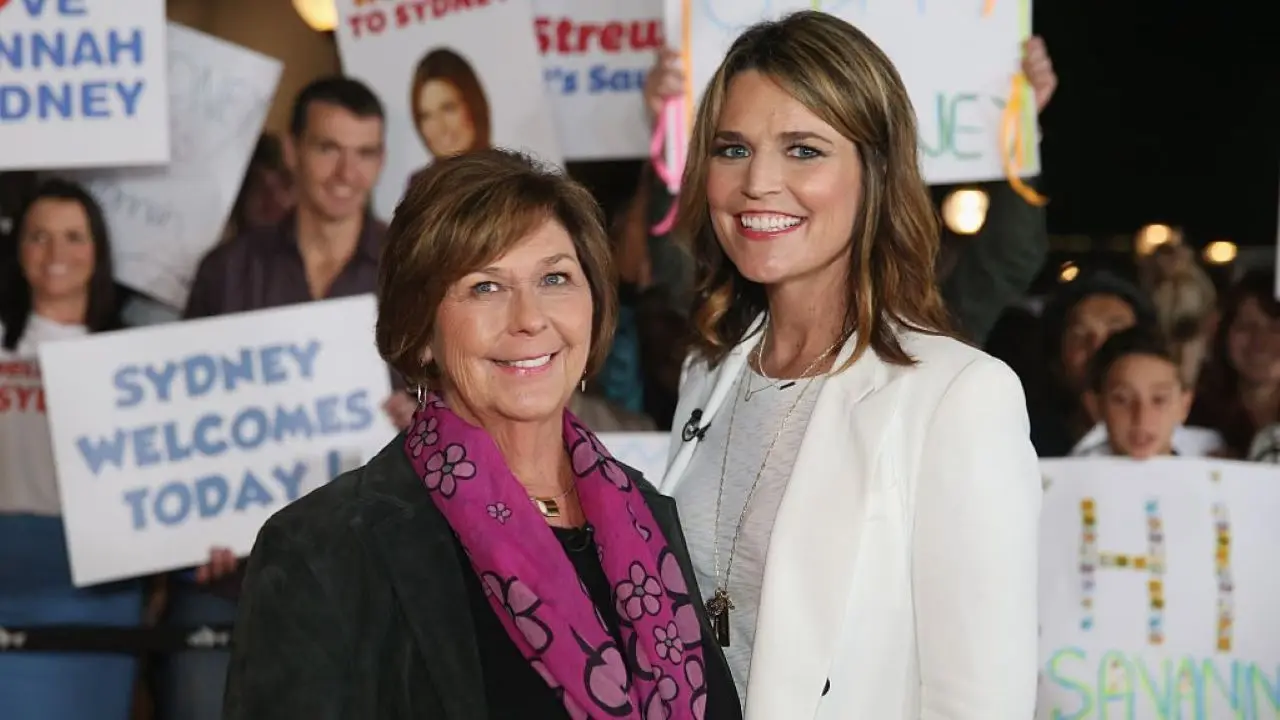
Melinda has no direct ties to the Guthrie family; Savannah, Nancy’s daughter, is like “America’s sweetheart,” which makes it hit home hard. “Why do I feel so personal about it?” she wonders. “Her mom feels like your mom. It could be my mom—I have a 75-year-old mom.” True crime documentaries have fueled this passion too; after bingeing a Netflix series on Elizabeth Smart’s abduction, Melinda remembered how everyone thought she was gone for good, but she wasn’t. That gripped her with hope, reminding us that early judgments can be wrong, and there’s often untold evidence lurking out there. “There has to be more information we don’t know,” she insists. This emotional pull explains the late-night dives: flipping through episodes of “Cold Case Files” animated me to think about my own family, wondering if I’d scour the internet relentlessly if someone I loved vanished. It’s like Nancy’s story taps into that primal fear we all have for our loved ones, making strangers into companions in catharsis.
Every morning for some, checking updates on Nancy Guthrie has become as routine as brewing coffee or dropping the kids at school. On Facebook’s “True Crime Mama” page, debates rage: “Do you think she’ll be found or never found?” Lori Sparks, a dedicated follower, runs two laptops side by side, monitoring hashtags for justice and Nancy’s safe return. Instagram user Michele McNaughton shared a reel of her scrolling ritual, captioned: “The one new step in my morning routine: checking if they found Nancy Guthrie yet.” She told Fox News, “Why is this taking so long? It feels Mickey Mouse and botched.” Hooked from the start, Michele thought it might be her neighbor or mom vanishing, expecting authorities to wrap it up quickly. But as days turned into weeks, with confusing twists like ransom talks and released suspects, her faith waned. “It’s a rollercoaster,” she said. Comments sympathized: “The Moms of the World would’ve solved this by Tuesday.” It’s not just frustration; it’s a genuine plea for answers, mingling disbelief with determination. When my own sister went MIA briefly during a family trip, I know that knot in your stomach—imagining families Heck, the moms online feel that same dread, channeling it into virtual vigils.
This isn’t isolated to Nancy Guthrie either; it’s part of a bigger wave where moms online mobilize for high-profile cases. Think the 2022 University of Idaho murders or Gabby Petito’s disappearance, unfolding live on TikTok, Reddit, and Facebook. Civilians dissected bodycam footage, social media trails, and timelines, amplifying investigations nationally. Petito’s case showed how virality can pressure authorities, but it also warned of wild speculation spreading like wildfire. Now, tools like shared Google Drives and group chats have morphed into citizen investigator hubs. Chuck Hogan’s book “The Carpool Detectives” chronicles how suburban moms revived a 15-year cold case: businessman and wife found dead in a canyon after vanishing, their finances in shambles. Led by Marissa Pianko from a UCLA journalism class in 2020, what began as curiosity blossomed into digging through old evidence and rallying for attention. It questions if grassroots efforts unearth clues or complicate pros’ work. In Guthrie’s saga, a gun store owner recalled the FBI probing firearm sales linked to names from the case, hinting at the web beneath. Moms aren’t claiming badges; they’re harnessing collective brainpower, proving average women can prod progress.
At its core, Melinda stresses, this digital fervor stems from pure concern, not cruelty. “Everybody’s concern is genuine—lots of prayers and good intentions,” she says, urging the family not to misconstrue speculations as anything but hope-driven. Families have been cleared as suspects, but the sheriff’s controversies ramp up criticism. Watching Savannah’s strained appearances, Melinda empathizes: “She looks like hell—I’d look the same if my mom was missing.” That mother-to-mother bond fuels the movement; it’s identification over intrusion. For aunties worried about nieces or grandmas fretting for daughters, cases like this echo personal possibilities. As moms, we know the sleepless nights, the “what-ifs” that eat at you. In the end, the online army pledges to keep watching—refreshing feeds, sharing posts, awaiting that breakthrough update. Diane from the next town over might add a piece of the puzzle tomorrow, or perhaps genetic genealogy, already used in big cases, cracks it. Until then, these “mom detectives” embody hope against the odds, a testament to how everyday empathy can light up the dark corners of unsolved mysteries, reminding us all that community, even virtual, helps carry the burden. And who knows? In a world of endless scrolls, maybe the next viral post isn’t just entertainment—it’s the key to bringing someone home.