


A Tragic Ambush in Springfield: The Loss of a Young Life
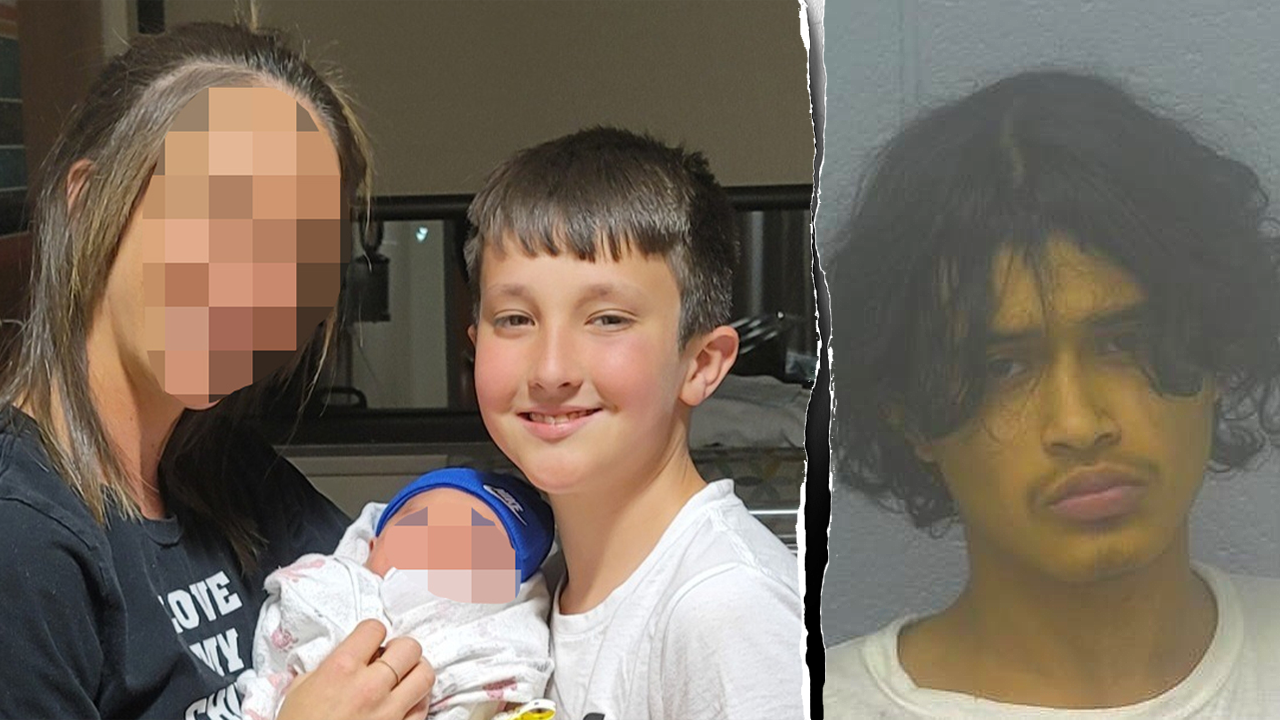
In the quiet suburbs of Greene County, Missouri, a shocking act of violence shattered the lives of a tight-knit family and left a community reeling. Miles Young, just 15 years old, was a bright light in the eyes of those who knew him—a compassionate boy who brought laughter and kindness wherever he went. Described by his family as a loving son, grandson, and big brother, Miles was full of energy and always showed care for others, whether through small acts of friendship or simply being there for his peers. But on that fateful evening of March 12, 2024, Miles became the victim of a premeditated attack that prosecutors say was orchestrated with chilling calculation. The story begins with an innocent online interaction that lured Miles into danger, transforming a simple meetup he believed was with a girl into a deadly ambush. According to court documents, Yefry Archaga, an 18-year-old with a complicated immigration background, allegedly planned and set up the encounter, knowing it could lead to tragedy. Accompanied by at least one other individual believed to be a juvenile, Archaga drove around Springfield in the hours before, deliberating the plan before retrieving a second vehicle—a black Mercedes that would play a key role in the stalking. This wasn’t a random act; investigators uncovered that Miles might have been targeted due to a prior dispute, and he was even slated to testify in a 2025 homicide case, hinting at deeper tensions in the young man’s life. The human side of this tragedy is heartbreaking: Miles, with his full life ahead of him, was drawn into a web of deceit where trust was weaponized. Witness accounts paint a picture of a boy who felt a sense of adventure or connection, perhaps flirting with the idea of meeting someone special, only to realize too late that it was a trap. His family, in their poignant statements shared online, recounted memories of his gentle nature—how he lit up rooms with his smile and always put others first. “Miles was full of life,” they wrote on a fundraising page, emphasizing the unbearable pain of a parent burying a child. As the community mourned, donations poured in, a testament to how deeply they valued him. This incident underscores the vulnerability of youth in the digital age, where virtual connections can morph into real-world horrors, and for families like the Youngs, it amplifies the dread of every parent who warns their kids about online strangers. Yet, in Miles’ case, even caution wasn’t enough against a group that had planned this out meticulously, turning a moment of naive hope into irrevocable loss.
The Lure and the Setup: A Coordinated Deadly Plan
Diving deeper into the events that unfolded on that tragic night, court documents reveal a scenario that feels ripped from a thriller, yet tragically real and rooted in human flaws like jealousy or revenge. Prosecutors allege that Archaga, charged with first-degree murder, laid the groundwork by luring Miles under false pretenses, making him believe he was heading to a casual meetup with a girl—a deception that exploited the teen’s curiosity and perhaps his budding sense of romance. Miles, like any 15-year-old boy, likely felt a mix of excitement and nervousness at the prospect, unaware that Archaga was part of a larger scheme involving multiple accomplices. The group, including Praize King, another 18-year-old now facing charges for first-degree murder and armed criminal action, spent hours driving through Springfield, hashing out their plans before bringing in that second vehicle to shadow their target. Witnesses describe how a juvenile suspect initially picked up Miles, perhaps offering reassurance to allay his fears despite red flags that it could be a setup. This premeditation speaks to a level of cold deliberation that contrasts sharply with the impulsiveness often associated with youth. But beneath the planning lies human motivations—Archaga and King, both young adults grappling with their own paths, allegedly chose violence over resolution, possibly fueled by the heat of a past feud. Miles, investigators say, had been slated to testify in an upcoming homicide trial, suggesting that his targeting stemmed from a desire to silence a witness, turning a legal matter into something fatally personal. For Miles, this meetup was a chance to connect, to step out into the world as a teenager discovering independence. Hep unaided in the narrative, his innocence is a stark reminder of how easily a young life can be disrupted by underlying conflicts. The family’s perspective adds layers: they speak of Miles as someone who avoided trouble, a boy who was kind-hearted and community-oriented. To imagine him in those final moments—of hopeful anticipation turning to confusion and fear—is to understand the profound betrayal. This lure wasn’t just a tactic; it was a violation of trust, highlighting the dangers lurking in the shadows of modern interactions and the devastating ripple effects when vengeance prevails over dialogue.
The Chase: A Desperate Plea for Life
As the evening escalated, the planned ambush gave way to a harrowing pursuit that captured the raw terror of a boy fighting for survival. According to the probable cause statement, when the vehicles stopped and Miles realized the danger—perhaps sensing the trap closing in—he ran, his heart pounding with instinctual fear. Witnesses recounted the chilling scene: Archaga, described as donning a black ski mask and wielding a Glock-style handgun, leaped from the vehicle to chase Miles on foot through the streets of Springfield. The image of an armed masked figure pursuing a frightened teenager evokes a primal nightmare, far removed from the everyday lives of suburban residents. Miles, running for his life, pleaded desperately, his voice carrying a heartbreaking urgency: “I just don’t wanna die,” a witness reported hearing as he cried out before the fall and gunshots shattered the night. Struck in the chest, Miles crumpled, his young body overwhelmed by the violence, and he was later pronounced dead at the hospital, his life extinguished at the threshold of adulthood. To humanize this moment, envision the panic—Miles’ breaths coming in gasps, his mind racing back to family, friends, dreams unfulfilled—as he fled from this orchestrated assault. This wasn’t just a crime; it was a violation of humanity, where one young man’s pleas fell on deaf ears, drowned out by the gunfire that robbed him of a future. Accomplices watched or participated, their actions driven by group dynamics or unspoken codes, yet the core tragedy lies in the asymmetry: Miles, unarmed and alone in his fear, versus a coordinated group fueled by intent. His family’s grief amplifies the pain—parents forced to confront the unthinkable, siblings losing a big brother who embodied joy. The community, too, is scarred, with neighbors questioning safety in their own backyards. This chase wasn’t brief; it unfolded in real time, leaving indelible scars on those who bore witness, reminding us of the fragility of life and the courage it takes to face mortality at such a tender age. In Miles’ final words, we hear the universal cry for more time, a plea that resonates beyond the crime scene into the hearts of all who cherish their loved ones.
Arrests and Revelations: Seeking Justice Amidst Devastation
In the aftermath of the shooting, a two-week manhunt ensued, culminating in Archaga’s arrest on March 31 in Webb City, where he was taken into custody without bail, now subject to a federal immigration hold that complicates his future. Details from jail records and court hearings reveal a young man whose life intersected disastrously with Miles’, raising questions about background and motivations that investigators are still piecing together. Praize King, the co-defendant, remains in a similar limbo, both facing severe charges that could carry life-altering sentences. The case has drawn parallels to broader themes of gang influence and immigration, with links suggested to groups like MS-13 in related news stories from Maryland and elsewhere, sparking debates about crime and migration. For the Young family, the arrests bring a glimmer of hope amidst overwhelming sorrow, yet they grapple with the emotional toll of reliving the tragedy through legal proceedings. “No parent should ever have to outlive and bury their child,” their statement echoes, a sentiment that humanizes the grief of loss—parenthood interrupted by violence, sibling bonds severed prematurely. As they lean on community support, fundraising efforts highlight neighbors rallying around them, sharing stories of Miles’ impact to keep his memory alive. Detectives continue their work, probing into at least one additional juvenile suspect yet to be publicly named, emphasizing the ongoing nature of justice. This phase of the story underscores resilience: a family finds strength in unity, turning despair into advocacy for safer youth. Yet, it also reveals holes in the system—delayed captures and bureaucratic hurdles that prolong suffering. Archaga’s immigration status adds layers, prompting reflections on broader societal issues like sanctuary policies and accountability, as seen in critiques of certain counties. For Miles’ loved ones, justice isn’t just about punishment; it’s about closure, a way to honor a life cut short. Their voices, shared through fundraising pages and media, humanize the legal maze, reminding us that behind every case file is a person whose absence leaves an echo.
Broader Implications: Immigration, Crime, and Community Wounds
Zooming out from the specifics of Greene County, this case reverberates through discussions on national issues like immigration enforcement and youth violence, drawing connections to similar incidents involving individuals with complex statuses. Archaga, held on an immigration detainer, highlights tensions between federal authorities like DHS and local jurisdictions, with ongoing investigations involving ICE and U.S. Marshals underscoring the intersection of criminal justice and border policies. References to indictments of illegal immigrants linked to gangs in places like Maryland and California paint a picture of patterns that anxiety many communities, fueling calls for stricter measures to protect citizens. Yet, to humanize this, consider the human stories behind the headlines: young immigrants like Archaga, possibly navigating hardships from their origins in places like Honduras, grappling with cultural transitions and systemic challenges that might lead down unexpected paths. Critiques of sanctuary policies, as slammed by DHS in California cases, reflect frustrations over perceived leniencies that allow individuals to evade federal holds. For affected families like the Youngs, these broader debates are personal—immigration statuses amplify the shock, raising questions about how such individuals enter and impact American soil. Communities in Springfield and beyond feel the strain, with residents expressing fear for their children amid rising concerns about safety. Social human angles emerge: advocates argue for humane approaches to immigration, emphasizing rehabilitation over retribution, while victims’ families seek accountability to prevent future tragedies. This narrative isn’t just about crime; it’s about society grappling with integration, where one act of violence exposes fractures in how we handle displacement and desperation. The emotional toll extends to immigrants themselves, many of whom seek opportunity but find themselves entangled in cycles of misunderstanding and mistrust. By examining these layers, the case prompts empathy—for the victims, yes, but also for pathways that might lead to such tragedies, fostering dialogues on reform, education, and support systems that could prevent young lives from veering into darkness.
Reflections and Ongoing Healing: A Community’s Strugglത
As the investigation plods on, with court appearances like Archaga’s upcoming on April 13 still pending, the story of Miles Young serves as a poignant reminder of the enduring human cost of violence. His family’s ongoing mourning, supported by a community donating to memorials and sharing fond memories, illustrates resilience amidst heartbreak—a way to channel grief into remembrance. “He brought light to everyone,” they recall, transforming tragedy into a legacy of kindness. Yet, the path to healing is uneven, marked by legal battles, unanswered questions about accomplices, and the shadow of similar cases nationwide. For those close to Miles, everyday moments sparked by grief—empty seats at family dinners, unshared jokes—underscore the void left by his absence. Broader society reflects too, with debates on digital safety for teens and gang prevention gaining urgency. This incident humanizes calls for change: better oversight of online interactions, early interventions for at-risk youth, and compassionate immigration policies. Fox News’ coverage, echoing themes from linked stories, invites listeners to engage, possibly through apps or social media, turning passive consumption into active discourse. Ultimately, Miles’ story is a call to empathy—to protect the innocent, support families in crisis, and address root causes that allow such darkness to unfold. As community members heal, sharing stories and building stronger networks, they honor Miles’ spirit, ensuring his light endures. In the quiet of reflection, we see that beneath the headlines lies a universal plea: for safer worlds where young lives aren’t extinguished prematurely, but nurtured to thrive. The road ahead demands collective action—vigilance, compassion, and justice intertwined—to prevent the next heart-wrenching loss.