






When Small Towns Faced Big Tragedies: America’s Heartland Violence in 2025
In 2025, a series of shocking crimes shattered the peace of America’s small communities, leaving residents to grapple with unexpected violence in places long considered safe havens. From Mississippi to Montana, Arkansas to Washington, these tragedies exposed underlying issues that can simmer beneath the surface of even the most seemingly tranquil towns. The killings occurred in everyday settings – state parks where families hiked, local bars where neighbors gathered, community events meant to bring people together, and campgrounds where children should have been making happy memories. Together, these cases revealed how unresolved conflicts, mental health crises, and domestic disputes can escalate to devastating conclusions when warning signs go unaddressed or resources are inadequate.
The Devil’s Den State Park in northwest Arkansas became the site of a senseless double homicide that shocked the community. Clinton and Cristen Brink, parents of three children and recent transplants to Arkansas seeking a fresh start closer to family, were fatally stabbed while hiking on July 26. Friends described the couple as gentle, active, and devoted to their children – outdoor enthusiasts who often took their daughters hiking. “They loved to take the girls and go hiking,” recalled Mary Hinebauch, a friend from their former church in Montana. “That wasn’t an unnatural place for them to be.” The randomness of the attack was particularly disturbing; police arrested 28-year-old Andrew James McGann, with investigators indicating the killings appeared completely unprovoked. The arrest came shortly after authorities released a composite sketch seeking to identify a person of interest. The senselessness of the crime left the community reeling, with Hinebauch lamenting, “This was a very safe place to be. It’s pure evil.”
The small city of Leland, Mississippi, with its population of only 3,700, experienced devastating violence during what should have been a joyous homecoming weekend celebration. Just after midnight on October 11, following a football game that had brought the community together, gunfire erupted, killing six people and wounding at least nineteen others. The FBI’s Jackson Field Office announced four arrests in connection with the shooting: Teviyon Powell (29), William Bryant (29), and Morgan Lattimore (25) were charged with capital murder, while Latoya Powell (44) faced attempted murder charges. Though investigators indicated they believed the violence stemmed from a personal dispute, the exact motive remained unclear. The tragedy profoundly affected the tight-knit community, with Leland Mayor John Lee expressing the collective heartbreak: “This is not who we are as a community. Our hearts are broken for these families.” The incident highlighted how quickly personal conflicts can escalate to mass violence, even in small communities where most residents know one another.
A quiet morning at The Owl Bar in Anaconda, Montana – a former mining town of around 9,000 residents – turned deadly on August 1 when 45-year-old Michael Paul Brown, an Army veteran who lived next door to the establishment, entered and opened fire. The attack killed four people: bartender Nancy Lauretta Kelley (64) and three regular customers – Daniel Edwin Baillie (59), David Allen Leach (70), and Tony Wayne Palm (74). What followed was a tense week-long manhunt involving more than 130 law enforcement personnel from local, state, and federal agencies. The FBI, ATF, U.S. Marshals Service, and Montana National Guard deployed helicopters, air patrols, and ground teams to search the challenging terrain surrounding the small town. During this period, fear gripped the community, with one local bartender telling reporters, “The town is just scared. Everybody’s on edge.” The manhunt concluded on August 8 when authorities captured Brown near a barn approximately five and a half miles from the bar. He was armed at the time of his capture. Montana Attorney General Austin Knudsen described the killings as “cold-blooded,” emphasizing the shock of such violence in a community where many residents knew both the victims and the perpetrator.
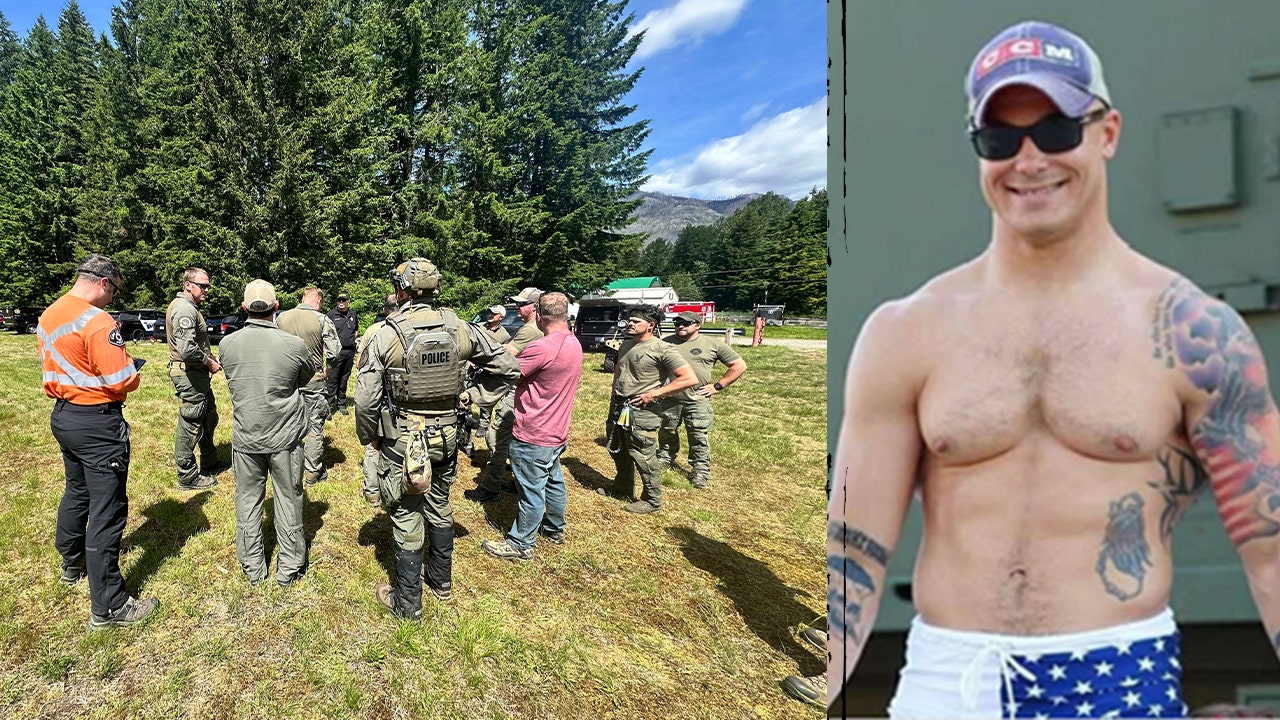
Perhaps the most heartbreaking case occurred in Wenatchee, Washington, where a family tragedy unfolded against the backdrop of custody issues and untreated mental health concerns. In May 2025, Travis Decker, a military veteran and wilderness survivalist, failed to return his three young daughters – Paityn (9), Evelyn (8), and Olivia (5) – from a court-mandated custody visit. Days later, authorities made the devastating discovery of the girls’ bodies at a Chelan County campground. Police reported the children had been bound with zip ties and suffocated. Court records revealed that Decker’s ex-wife had previously petitioned to modify their parenting plan, citing his deteriorating mental health and unstable living conditions – warning signs that tragically weren’t enough to prevent the murders. Following the discovery, a massive search operation commenced across the rugged mountain terrain. In September, human remains were found on Grindstone Mountain, less than a mile from where the girls had been found. DNA testing later confirmed these were Decker’s remains. Chelan County Sheriff Mike Morrison provided some closure to the community, stating, “This will bring a close to our case. We wanted to show honor to them and let them know we haven’t forgotten.” The case painfully illustrated how family court disputes, mental health issues, and access to children can sometimes combine with tragic consequences.
These four cases from 2025 represent more than isolated incidents of violence – they reveal systemic vulnerabilities in communities across America. Small towns often operate with limited mental health resources, fewer law enforcement officers per capita, and sometimes a reluctance to acknowledge domestic problems that might tarnish a community’s self-image. In Anaconda, a man known to have issues was living next door to his eventual targets. In Wenatchee, a father’s deteriorating mental state was documented but didn’t prevent him from having access to his children. In Leland, personal disputes escalated to mass violence at a community celebration. And in Devil’s Den, a random encounter with evil reminded residents that no community, however peaceful, is entirely immune from unpredictable violence. These tragedies prompted many small communities across America to reassess their approach to mental health services, domestic violence intervention, and public safety – recognizing that prevention requires both vigilance and resources. They also demonstrated the remarkable resilience of small-town America, as neighbors came together to support victims’ families, strengthen community bonds, and reclaim their sense of security while honoring those whose lives were lost in these senseless acts of violence.