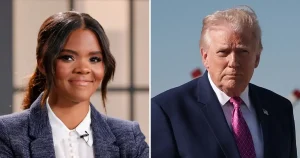



European Leaders Navigate Trump’s Diplomatic Storm at the Munich Security Conference
The Weight of Expectations
As the chimes of the Munich Security Conference echoed through the opulent halls of the Bayerischer Hof hotel, a palpable tension filled the air, one that hasn’t been this thick since the Cold War’s icy grip. Europe’s elite in defense and foreign policy gathered here, far from the siren calls of capital cities, to dissect the world’s most pressing security dilemmas—from Russian aggression in Ukraine to the burgeoning threats of cyber warfare and climate-induced instability. This year’s summit, held in late January, promised a rendezvous with destiny, especially with whispers of a revived transatlantic dialogue. But overshadowing it all is the specter of Donald Trump’s return to power. Some seasoned diplomats, their faces etched with years of weary wisdom, quietly hope for a thawing in relations. Trump’s “blunt-force diplomacy,” as it’s often dubbed, has left scars—think back to his 2017 NATO utterances, where he branded allies as freeloaders, or his erratic tariffs that rattled European economies. These officials, preferring not to speak on record amid the summit’s decorum, yearn for a shift. “Perhaps it’s time for America to soften its edges,” mused one anonymous European Union official, sipping a herbal tea in a quiet lounge. They envision a Trump who’d prioritize shared threats over unilateral deals, potentially bolstering NATO’s defenses against Kremlin maneuvers.
Yet, this optimism isn’t universal; it’s tempered by lingering skepticism. Trump’s transactional style—favorite phrases like “America First” reverberating through his 2016 campaign rhetoric—has bred distrust. European negotiators recall how his administration pulled out of the Paris Climate Agreement and the Iran nuclear deal, leaving allies scrambling to fill the voids. At Munich, panels buzzed with discussions on these fractures, highlighting how Trump’s diplomacy often prioritizes quick wins over collective strength. For these hopefuls, though, the conference represents a diplomatic reset button. With global power shifts underway, from China’s Belt and Road ambitions to Middle Eastern tensions, cohesion between the United States and Europe feels vital. Security experts argue that a reprieve could manifest in joint initiatives, perhaps renewed commitments to cybersecurity alliances or even harmonized sanctions on Russia. It’s a gamble, they admit, but in the high-stakes world of geopolitics, gambling is the name of the game.
Transitioning from hope to pragmatism, the summit’s agenda reflected this duality, blending cold realism with cautious ambition. Attendees dissected intelligence reports predicting potential confrontations in the South China Sea, while debating the ethics of AI-driven weaponry. Trump’s influence loomed large here, as delegates pondered whether his re-elected administration would embrace multilateralism or revert to isolationist reflexes. Observers noted a subtle shift: Gone are the outright condemnations of past summits; instead, there’s a strategic curiosity about Trump’s evolving stance. After all, his second term—if it materializes—might differ, influenced by a cabinet wary of repeating 2017’s errors. This adaptive mindset underscores the conference’s enduring relevance: even amidst uncertainty, dialogue persists, fostering resilience in transatlantic bonds.
Lingering Fears of Recriminations
Not everyone at the Munich venue is holding out for harmony, however. A vocal contingent, steeped in the bitter aftertaste of Trump’s first tenure, anticipates not reconciliation but renewed disdain. These skeptics, often from frontline states like Poland and the Baltics—those on the literal and metaphorical front lines against Russian encroachment—view Trump’s diplomacy as a bull in Europe’s china shop. His past criticisms of Germany’s energy dependency on Moscow, framed as economic folly rather than strategic naiveté, still sting. “Recriminations aren’t just possible; they’re probable,” said a defense analyst from NATO’s eastern flank, speaking under the guise of anonymity to avoid reprisals. They point to Trump’s abrasive rhetoric, delivered through tweets that once set diplomatic cables aflame, as evidence of an approach that thrives on conflict over collaboration.
This fear stems from tangible policies: Trump’s importation of bureaucracy-choking tariffs under his “America First” banner disrupted European trade flows, exacerbating economic woes post-COVID, and his skepticism toward international institutions like the World Trade Organization left allies feeling exposed. At Munich, these worries manifested in side conversations about contingency plans—fortifying independent defense capabilities, diversifying energy sources away from overreliance on American goodwill. If Trump’s blunt-force style resurfaces, such tactics could inflame old wounds, potentially leading to a tit-for-tat escalation in sanctions or military posturing. The analyst elaborated, drawing parallels to historical rifts: “Remember the Suez Crisis? That’s what unilateralism does—it isolates alliances.” In an era when disinformation campaigns from hostile actors like Iran or North Korea threaten democratic foundations, a fractured West weakens the global defense against such subterfuge.
Yet, these apprehensions aren’t merely speculative; they’re informed by data. Recent polls from the Pew Research Center reveal eroding European trust in American leadership, with only 37% of Germans viewing the U.S. favorably despite shared cultural ties. Trump’s approach, critics argue, has accelerated this trend, making multilateral deals harder to forge. At the summit, delegates explored hypothetical scenarios: What if Trump prioritizes trade talks with China over European security pacts? Or worse, what if economic leverage turns into outright coercion? This discourse, while sobering, energized debates on Europe’s strategic autonomy. Leaders like French President Emmanuel Macron, echoing his “Europe is back” mantra, advocated for the EU’s own defense initiatives, aiming to reduce dependency on transatlantic mercy.
The interplay of hope and fear didn’t stop at rhetoric; it spilled into actionable resolutions. Panels proposed robust cyber-defense partnerships, echoing the need for united fronts against hackers sponsored by state actors. But Trump’s shadow cast long—his past refusals to unconditionally support NATO’s Article 5 commitments left gaps that some fear won’t be filled easily. This tension, far from paralyzing, galvanized attendees. A Lithuanian delegate quipped, “If America won’t lead, we must step up.” Such statements highlight the summit’s role as a crucible for resilience, transforming anxieties into preparatory steel.
Echoes of Past Tensions
Diving deeper into the historical context, the Munich Security Conference offered a reflective lens on transatlantic turbulence under Trump. Established in 1963 amid the Berlin Wall’s chill, the event has weathered storms—from Gorbachev’s glasnost pleas to Bush’s post-9/11 solidarity calls. Trump’s 2017 arrival, however, introduced a seismic shift. His keynote speech challenged the status quo, questioning burden-sharing in NATO and lambasting free riders. European partners, reliant on American military Umbrella, felt the sting. Defense spending hikes followed, with countries like Germany pledging increases to meet the 2% GDP threshold—admittedly under duress rather than enthusiasm. This paradigm shift illustrated Trump’s blunt-force impact: diplomacy as a club rather than a bridge.
Lessons from yesteryear inform today’s trepidations. The Iran deal withdrawal in 2018 isolated America, empowering Tehran and fraying European faith in joint strategies. Similarly, the Paris Accord exit prompted admittances from U.S. officials about climate’s security ramifications, yet no reversal ensued. At Munich, panels invoked these ghosts, analyzing how blunt diplomacy eroded soft power. A veteran British diplomat recalled, “Trump’s style was effective domestically but disastrous abroad—it turned allies into adversaries.” This candid admission underscores a broader theme: the U.S.’s pivotal role in global stability can’t be wielded irresponsibly without backlash.
Compounding these echoes are emerging threats. The summit’s focus on hybrid warfare—blending cyberattacks with propaganda—revealed vulnerabilities amplified by fractured alliances. Trump’s past equivocations on Russia’s annexation of Crimea emboldened Moscow, a sentiment echoed in Ukrainian pleas for stronger Western unity. Delegates pondered if a second Trump era would restrain such aggression or escalate it. Interestingly, some saw opportunity: Trump’s unpredictability could deter adversaries, a “madman theory” updated for the 21st century. But critics countered with evidence of diminished U.S. credibility, citing abandoned Kurdish allies in Syria as a cautionary tale.
These reflections fostered pragmatic dialogues. Speakers advocated for institutional reforms, like bolstering the EU’s Common Security and Defense Policy to buffer against American volatility. The conference’s spirit of enlightenment prevailed, transforming historical grievances into forward-looking strategies. As one session concluded, a consensus emerged: Europe’s path forward lies in self-reliance, not blind dependence, ensuring resilience amid diplomatic whirlwinds.
Prospects for Reset and Renewal
Amid the Munich murmurs, talk of a “reset” gained traction, fueled by Trump’s penchant for reinvention. His early-reign shocks gave way to strategic alliances later, with Middle East deals brokering peace accords. Europe wonders if similar malleability could apply here. Some officials, optimistic about advisory influences—think figures like John Bolton’s hawkish gatekeeping versus Antony Blinken’s sobering—believe Trump could evolve. A pragmatic Trump might recognize mutual interests in tackling terrorism or migration crises, fostering renewed partnerships that transcend past impulsions.
This potential hinges on tangible shifts. Reports of Trump’s second-term nominees suggest a nod toward experienced diplomats, potentially tempering his impulses. At the summit, this narrative resonated in workshops on transatlantic trade reforms, sketching frameworks for equitable deals that honor both American priorities and European sensitivities. “Diplomacy is iterative,” argued a U.S. émigré expert, drawing from Thucydides’ wisdom on power balances. If Trump embraces this, security coordination could flourish, from joint rapid-response forces to intelligence sharing that thwarts ISIL remnants.
Yet, this reset isn’t assured. Trump’s ideology, rooted in nationalist fervor, clashes with Europe’s commitment to multilateralism. Skeptics at Munich warned against overidealism, pointing to unchanged rhetoric in his recent commentaries. Nonetheless, the conference illuminated paths forward: enhanced defense tech collaborations and economic synergies that align interests without coercion. Delegates proposed pilot programs, like shared AI defenses, to test the waters. This proactive stance empowers Europe, potentially influencing Trump’s approach through demonstration of capability.
Overall, Munich’s vibe leaned toward guarded optimism. As attendees dispersed into the Bavarian night, a sense of purpose lingered—proof that even amidst diplomatic bruises, alliances endure. Whether Trump’s tenure brings reprieve or reproach remains unseen, but the summit affirmed Europe’s resolve to steer its course, with or without American winds.
The Broader Implications for Global Security
Zooming out, the Munich deliberations ripple beyond the Atlantic, touching global fault lines that demand unity. Trump’s diplomacy, with its focus on bilateral deals over universal accords, has strained UNESCO relations and undermined WHO efforts during crises like the pandemic. At the conference, Asian and African voices amplified this concern, warning of cascading effects on climate and health security. “Blunt force alienates partners needed for planetary survival,” noted an Indian delegate, emphasizing how Trump’s G7 critiques unsettled summit dynamics.
This transcends rhetoric; data from the Stockholm International Peace Research Institute shows defense expenditures surging worldwide, partly in response to perceived American unreliability. European leaders, heeding this, explored oilscoration through the Quad-like alliances adapted for old-world contexts. The summit’s panels dissected cyber threats emanating from Beijing and Moscow, stressing the need for a reset that includes America securely.
However, hope persists in niche areas. Trump’s potential pivot toward Indo-Pacific pivots could redirect resources, easing European burdens. Optimists cite joint exercises with Japan as previews of broader cooperation. Yet, fears linger: Without earnest engagement, Europe’s pivot to allies like India and Australia might necessitate isolated paths, weakening collective deterrence.
In closing, Munich underscored a world at crossroads. Trump’s influence, for better or worse, shapes destinies. As delegates pledged to monitor developments, the message was clear: Diplomacy’s future demands adaptability, ensuring no single leader’s sharpness cuts all ties.
Charting a Path Forward
As the Munich Security Conference wound down, its participants—diplomats, thinkers, and strategists—left with a mix of resolve and wary anticipation. The dialogue, rich and multifaceted, highlighted the imperative for resilient partnerships in an unpredictable era. Whether Trump’s blunt-force diplomacy yields reprieve or breeds new recriminations, Europe’s summit spirit promises evolution over stagnation. In the end, global security thrives not on singular visions but on collective foresight, a lesson etched in Munich’s storied history. The world watches, ready for whatever unfolds next.