




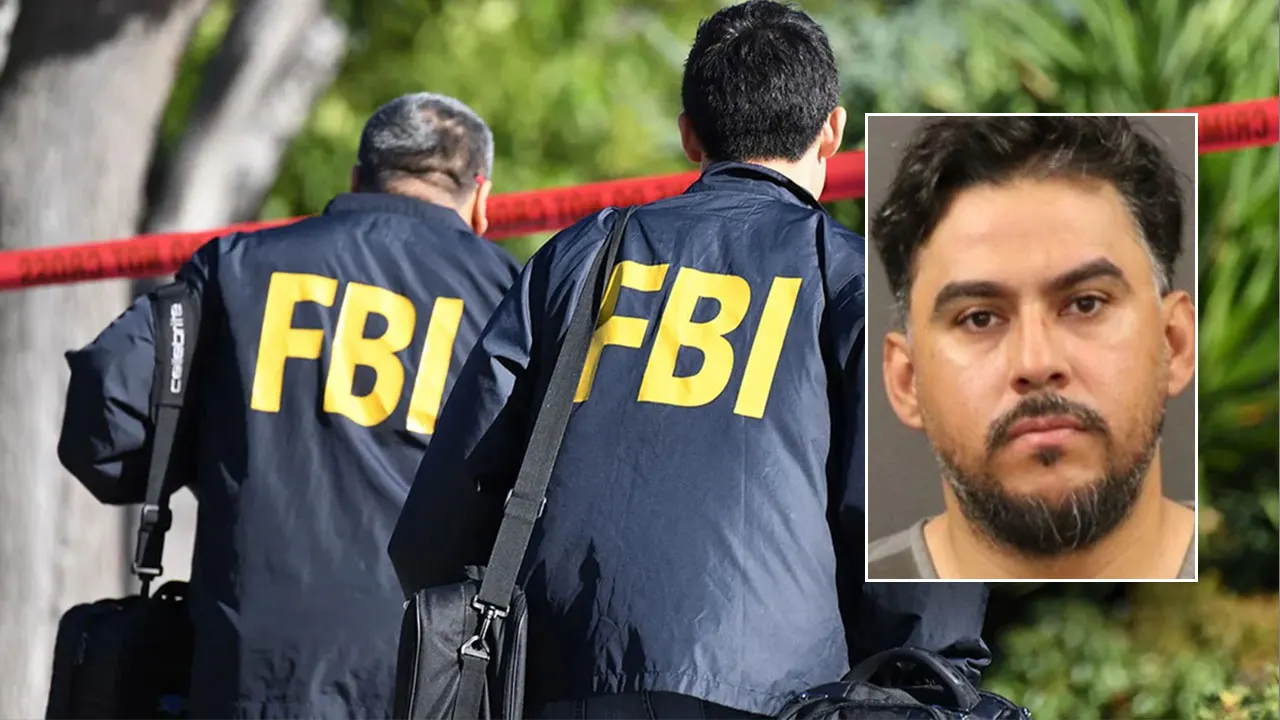
MS-13 Leader Linked to High-Profile Killings Arrested in Nebraska
In a significant development in the fight against transnational crime, authorities apprehended Gerson Emir Cuadra Soto, a 33-year-old MS-13 leader known as “Fantasma,” in Grand Island, Nebraska, approximately 150 miles west of Omaha. The FBI announced on Tuesday that Cuadra, who allegedly commanded a specialized assassination squad called “El Combo” within the notorious gang, was taken into custody on immigration-related charges. This arrest represents a major breakthrough in dismantling the leadership structure of one of the most feared criminal organizations operating across Central America and the United States. Cuadra’s capture highlights the persistent efforts of law enforcement agencies to combat gang violence that has claimed countless lives and destabilized communities in multiple countries.
Authorities believe Cuadra played a significant role in several high-profile murders, including the shocking July 2022 assassination of Said Lobo Bonilla, son of former Honduran President Porfirio Lobo Sosa. The brutal attack, which claimed the lives of Bonilla and three other men as they left a nightclub in Tegucigalpa, Honduras’ capital, demonstrated the brazen violence employed by MS-13 even against politically connected individuals. According to reports, Cuadra faces charges for four homicides in Honduras, but his connection to the presidential family killing particularly intensified the international manhunt. Following the quadruple murder, Cuadra fled Honduras under extraordinary circumstances – court documents revealed that he and two co-defendants secured their release from jail through approximately $125,000 in bribes to government officials, showcasing the corruption challenges that often complicate efforts to bring gang leaders to justice.
The investigation revealed that Cuadra’s journey to the United States followed a familiar pattern seen among those seeking to evade authorities in their home countries. After escaping Honduras, he allegedly crossed from Mexico into Texas in November before establishing a presence in California, where he obtained a driver’s license. This movement across borders demonstrates the transnational nature of MS-13’s operations and the challenges faced by law enforcement in tracking high-value targets who exploit immigration pathways. Honduran authorities have identified Cuadra as a close associate of an even bigger fish – Yulan Archaga Carias, known as “Porky,” who currently holds a place on the FBI’s Top 10 Most Wanted fugitives list. Carias is believed to be MS-13’s overall leader in Honduras and maintains voting membership in the gang’s supreme leadership council called “La Mesa,” making Cuadra’s connections particularly significant to investigators mapping the organization’s command structure.
While the immediate charges against Cuadra relate to immigration violations, the FBI’s Houston office, which spearheaded the investigation resulting in his arrest, continues to build a more comprehensive case concerning his alleged leadership role within MS-13. The arrest forms part of Operation Take Back America, an ambitious nationwide initiative designed to dismantle drug cartels and transnational criminal organizations while protecting communities from violent crime. This operation represents a coordinated approach involving multiple federal agencies working together to target not just individual criminals but entire organizational structures that facilitate violence, drug trafficking, and other serious crimes. The continued investigation into Cuadra suggests that authorities are pursuing evidence that could lead to more serious charges related to organized crime activities, potentially including racketeering, which has been used effectively against gang leadership in previous prosecutions.
Cuadra’s arrest comes at a time of increased focus on transnational gangs like MS-13, particularly regarding their classification and the legal tools available to combat them. In February, the previous administration designated several groups, including MS-13 and various drug cartels, as Foreign Terrorist Organizations. This designation expands the government’s authority to target these groups, allowing for enhanced surveillance, stricter financial sanctions, and more aggressive prosecution strategies. The classification reflects growing concerns about the threat posed by criminal organizations that operate across international borders and employ terror tactics to maintain control over territories and populations. For communities affected by MS-13 violence, which often targets young people and employs brutal methods to instill fear, this shift in approach represents a potential turning point in how law enforcement responds to gang activities.
The capture of high-ranking figures like Cuadra demonstrates both progress in combating organized crime and the persistent challenges that remain. While his arrest removes a dangerous individual from society, the complex network of MS-13 continues to operate across multiple countries, adapting to law enforcement pressure and exploiting weaknesses in immigration systems and criminal justice frameworks. The case highlights the importance of international cooperation in addressing transnational crime, as evidenced by the collaboration between Honduran authorities and U.S. law enforcement that led to Cuadra’s identification and eventual capture. As investigators continue building their case against him, the arrest serves as a reminder of the ongoing struggle against organized crime groups that threaten public safety and undermine governance across borders. For communities living under the shadow of gang violence, each successful prosecution represents not just justice for past crimes but hope for a future with greater security and freedom from fear.