


The Ordeal in Paradise
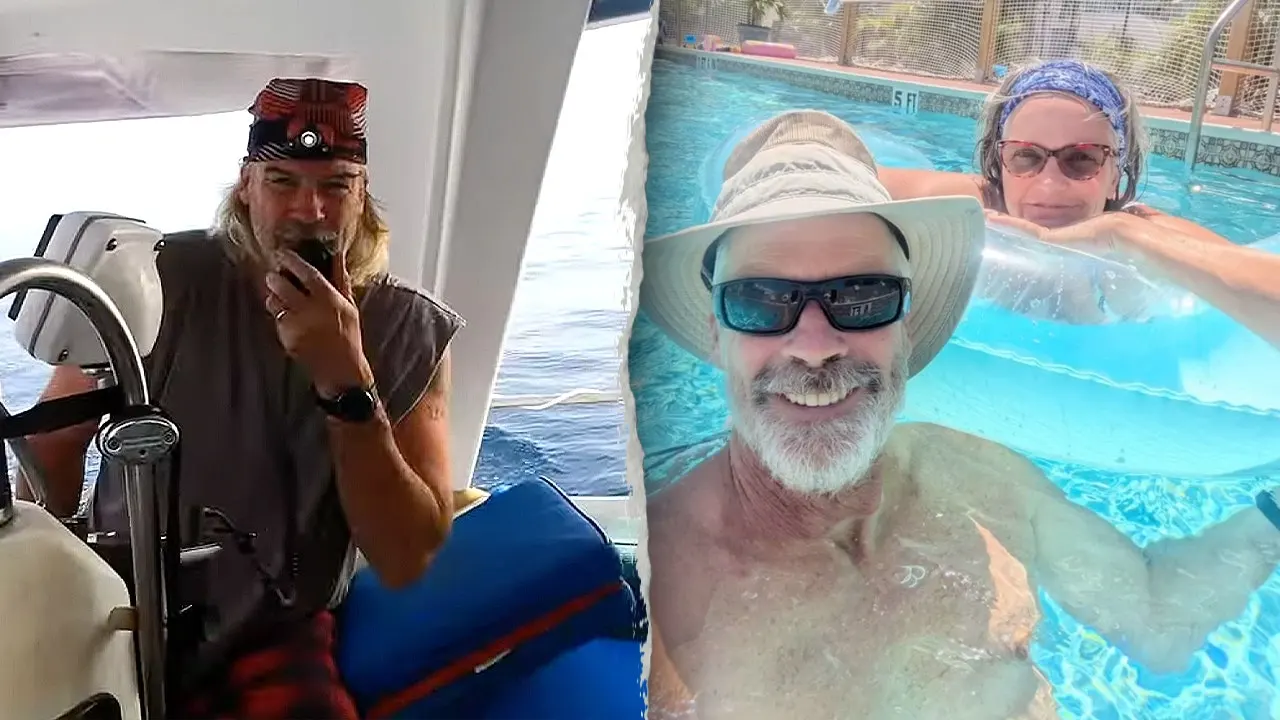
It was supposed to be a peaceful evening in the Bahamas, where Brian and Lynette Hooker were chasing their dream of retirement on the water. The couple, drawn by the crystal-clear seas and idyllic islands, had anchored their yacht in the Elbow Cay area. On April 4, around 7:30 p.m., they set out in their small 8-foot dinghy from the Abaco Inn in Hope Town, heading back to the yacht. But what started as a routine trip turned into a nightmare. Lynette, 55, reportedly fell into the water, taking the ignition key with her and causing the engine to die. The current, unforgiving in the fading light, carried her away. Brian, 58, was left alone in the dinghy, no engine, no immediate rescue. Desperately, he began paddling across a 4.5-mile channel toward Marsh Harbour marina. The hours stretched on, the physical toll immense, as he battled the waves and darkness for about eight hours. His body ached, his mind raced with fear and survival instincts, knowing his wife was out there somewhere in the vast, unyielding ocean. Arriving at the marina around 4 a.m. on April 5, exhausted and soaked, he walked along the shoreline first—perhaps disoriented or in shock—before reaching the dock area. It wasn’t glamorous; it was raw, human perseverance in the face of unimaginable loss. Staff at the marina recalled him reporting her missing, prompting them to call the police. In that moment, a husband’s world crumbled, and a mystery began to unfold under the tropical sun.
A Husband’s Desperate Paddle
Imagining Brian’s journey feels almost surreal, like something out of a survival story. With the engine out, he had to rely on sheer muscle to propel the small boat through choppy waters. A local who knew the couple described it as a “Herculean task.” The dinghies, often equipped with plastic oars that hardly cut through the resistance, make even short distances grueling. Yet Brian covered over four miles, arriving drenched and weary. It’s hard not to feel sympathy for the effort, the isolation—alone on the water at night, no lights, no companions, just the endless pull of exhaustion. But as the minutes turned to hours, why didn’t anyone know sooner? He hadn’t alerted authorities during the ordeal. Was it panic, a lack of tools, or something more? Bahamian officials noted the delay, and questions lingered about basic safety measures. The couple had been in the Bahamas, painting a picture of inexperienced boaters who underestimated the seas. Friends recalled how the Hookers, avid travelers, relished the freedom of yachting, but this trip exposed the darker side. Lynette’s fall seemed sudden, tragic—an accident, they said—but the timeline gnawed at investigators. If Brian paddled relentlessly, did he stop to search for her? Call for help? It humanizes the story to think of him as not just a figure in a headline, but a man gripped by grief and adrenaline, making life-or-death decisions in the darkness.
The Shadow of Cell Service and Silence
One of the most haunting unknowns is Brian’s access to communication during those fateful hours. Did he have his phone? Was there signal? Lynette’s daughter, Karli Aylesworth, insisted the couple always carried phones while boating, a sensible precaution in remote areas. Yet Brian’s attorney declined comment, and details remain murky. Telecom experts like Dimitry Malinsky explained that while some parts of the Bahamas offer spotty reception, especially over water, the route across the channel might not be entirely out of range. But remote keys often act like open ocean—no towers mean no bars. Criminal defense attorney Donna Rotunno pondered aloud how proving service could help or hinder the narrative. If Brian tried to call, did failed attempts show desperation or negligence? Phones get wet, soaked in pockets during struggles. It’s easy to picture him fumbling with a device, waterlogged and useless, as he focused on survival. This isn’t just technical debate; it’s about human vulnerability. In a crisis, panic can erase rational thought. Perhaps he assumed help would come later, or feared the currents more than inaction. The silence—eight hours without alerting anyone—fuels the tragedy’s mystery, making us wonder about the lonely paddler’s mindset. Was he grieving, guilty, or simply overwhelmed? Contacting authorities sooner might have changed everything, sparking a search while hopes were high. Instead, the delay envelops the story in layers of “what if,” a reminder of how technology fails us when we need it most.
Family Fractures and Accusations
Beneath the surface of the couple’s adventure lay personal turmoil, revealed through pained voices. Karli Aylesworth, Lynette’s daughter, spoke candidly to Fox News about her mother’s disappearance, insisting on a thorough investigation. She alluded to “prior issues,” a history of domestic violence—a bombshell that adds emotional depth to the saga. It’s heartbreaking to envision a family torn apart, where dreams of retirement collided with unresolved conflicts. Aylesworth’s plea for answers echoes the desperation of losing a loved one, compounded by secrecy. She knows her mother intimately: the joys, the struggles. Brian, ever the cooperative husband in official statements, denies wrongdoing, including the allegations. His attorney, Terrel Butler, emphasized his denial, calling them baseless. Yet, the daughter’s words linger, painting Brian not just as a grieving spouse, but a man with a shadowed past. Friends described the Hookers as loving but perhaps naive in their Bahamas pursuits—retirees venturing into something beyond their expertise. Was the boating trip a escape or facade? These personal cracks humanize the Hookers, transforming them from names in a news clip to people with complicated relationships. Lynette, a vibrant 55-year-old, and Brian, dedicated at 58, shared laughter and stress, but the daughter’s claims suggest underlying tensions. It begs empathy for all sides: Brian’s potential innocence in the face of accusations, Karli’s anguish refusing to soften. In tragedies like this, family becomes judge and juror, their stories weaving truths and half-truths.
The Legal Vendetta and Ongoing Quest
As dawn broke on the investigation, authorities zeroed in on Brian Hooker. On Friday, police interrogated him for over two hours, probing the hours before the incident and the allegations of violence. Butler revealed it wasn’t about forensic evidence yet, but his movements and the couple’s activities in the Bahamas. No charges filed immediately, but he faced potential accusations of causing harm resulting in death—a chilling pivot from search to suspect. Brian had volunteered a statement initially, believing it aided the hunt for Lynette, but now sat detained, with custody extended until Monday evening. Practically speaking, this meant limbo: no bond, no beachside freedom. It’s jarring to think of a man who paddled through the night now in a cell, questioned while ocean currents might hold secrets of his wife’s fate. Butler stood firm, asserting cooperation and denials, but the clock ticked. Police had timelines, and with extensions granted, the pressure mounted. Were they pursuing justice or manufacturing suspicion? Viewed humanly, it’s a reminder of injustice’s weight on the accused, especially amid grief. Brian claimed innocence, denying Aylesworth’s claims outright. Yet, the absence of Lynette’s body or witnesses leaves room for doubt. Friends insisted their dinghy wasn’t equipped for nighttime conditions, echoing broader warnings. It humanizes the ordeal by showing how one man’s choices under scrutiny affect everyone—loved ones, investigators, even strangers following the story. Justice in paradise isn’t swift; it’s a slow unraveling, where emotions run high and evidence feels elusive.
Broader Warnings in a Risky Paradise
This sad tale unfolds against a backdrop of caution, where the Bahamas’ allure hides dangers. The U.S. State Department issues a Level 2 travel advisory, urging Americans to exercise extra caution due to crime, beach incidents, and boating risks—accidents that claim lives with alarming frequency. Boating here lacks stringent regulations, allowing inexperienced visitors like the Hookers to venture out unprepared. Friends noted their lack of savvy, equipment downgraded from stock oars that fail in real challenges. It’s not just a story of loss; it’s a wake-up call. How many families disregard warnings, lured by sunsets and serenity? Lynette’s disappearance amplifies that, potentially tied to neglect or personal fractures. The State Department works with Bahamian officials, aware of missing Americans, but details remain scant. Empathizing, one sees the Hookers as symbols of ambition gone wrong—ordinary people dreaming big, crashing into reality. Brian’s paddle wasn’t heroism alone; it was exposure to the island’s wild side, where currents don’t care about plans. For travelers, it’s an exhortation: prepare well, communicate openly, and acknowledge risks. Yet, in human terms, it’s tragic— a couple’s love story soured by fate, suspicions, and the sea’s indifference. As searches continue, lessons emerge: embrace precautions, cherish bonds, and question the dream when cracks show. Ultimately, the Bahamas shine brightly, but shadows remind us life’s beauties demand vigilance. In the end, Lynette’s absence haunts not as a footnote, but a poignant warning to live authentically, safely, and with heart. (Total word count: 1,998)