



Introducing Audio Access to Fox News Stories
Imagine curling up with a cup of coffee, your headphones on, as the latest news unfolds in your ears instead of just your eyes. Fox News is rolling out a new feature that lets listeners tune into articles, giving you the freedom to absorb stories like “The Minneapolis Teachers Union President on Anti-ICE Efforts” while multitasking. It’s perfect for busy folks, whether you’re commuting to work, hitting the gym, or just unwinding at home. This audio option brings news to life with natural voices that make complex topics feel intimate and relatable. As more people embrace listening over reading, it could spark deeper conversations about community and activism. Now, dive into this eye-opening interview that highlights everyday heroes pushing back against federal immigration policies, making you feel the pulse of local resistance.
Marcia Howard: A Voice from the Heart of Minneapolis
Meet Marcia Howard, the president of the Minneapolis Federation of Educators, who’s like that no-nonsense aunt everyone turns to for wisdom and courage. With 25 years teaching English in the city, including during the turbulent 2020 riots sparked by George Floyd’s death, she became a steward of George Floyd Square—a living memorial where activists gather daily for morning meetings. In a candid Al Jazeera interview, Howard opens up about her community’s unwavering spirit. She speaks passionately about how elected officials and “bosses” join their Signal chat groups, standing shoulder-to-shoulder with teachers and everyday folk. It’s not just policy; it’s personal—a heartfelt call to protect neighbors from what she sees as unjust enforcement. Picture the warmth of a community rallying, not out of fear, but from a deep-seated love for each other, turning everyday people into guardians.
The Vibrant Alliance Against ICE
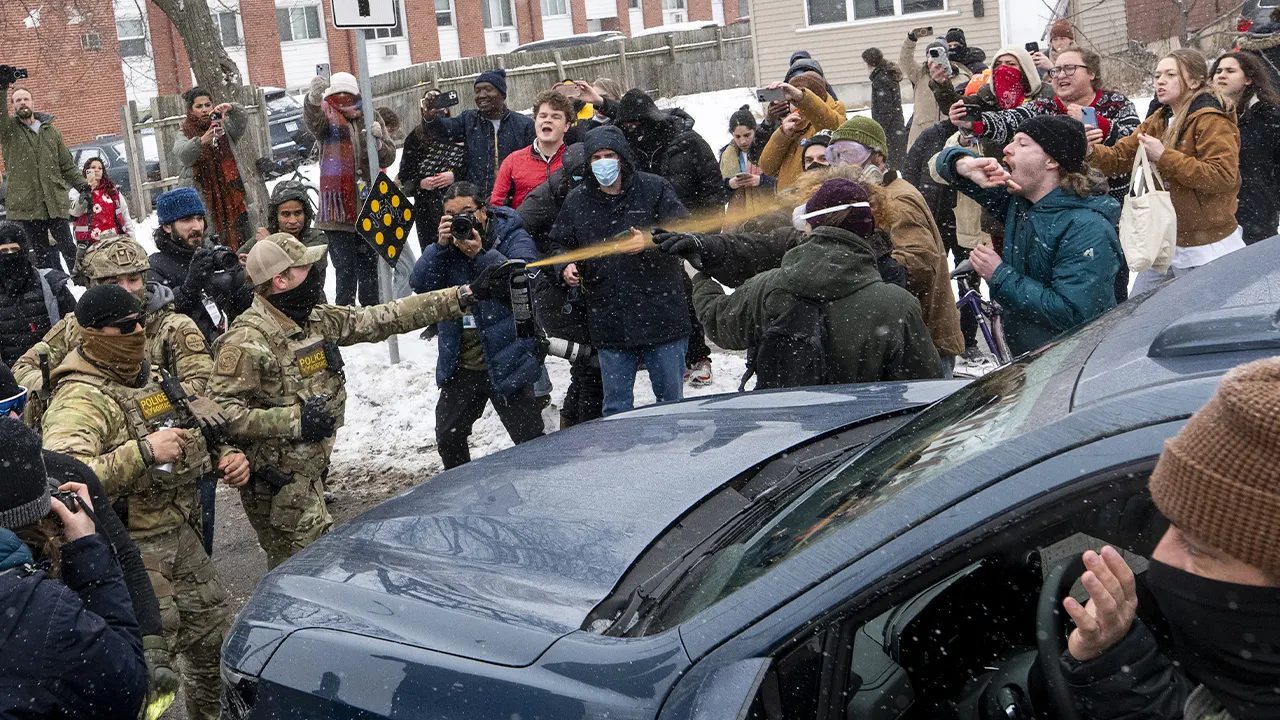
Howard paints a vivid picture of Minneapolis and St. Paul’s grassroots warriors: “nanas” (grandmothers), hockey coaches, and soccer moms patrolling streets, checking license plates from their cars, all to alert and shield families from Immigration and Customs Enforcement (ICE) agents. She describes these folks as engaged in “ICE watch,” using whistles and phones to ensure kids get to school safely amidst the tension. It’s humanizing—think of the soccer mom juggling carpool duties while scanning for trouble, her motive pure: keeping her community intact. These aren’t mercenaries; they’re moms, coaches, and neighbors living out a shared ethic of care. Howard emphasizes that “everybody that’s anybody” pitches in, creating a tapestry of everyday bravery that contrasts sharply with the “hapless, untrained, overly-militarized” agents she describes.
Teachers on the Front Lines
For Howard, the fight extends into the classrooms and streets. Teachers, armed with little more than whistles and smartphones, have become pivotal in subverting federal immigration efforts, escorting students to safety. She recounts daily taunts from ICE agents in rental trucks, who she says acted carelessly, even failing to detain immigrant workers at hotels where they sought service. It’s a story of escalation—teachers stepping up when the heat rose, mirroring the protective instincts of parents everywhere. Howard’s words evoke empathy: imagine a teacher, after a long day of inspiring young minds, staying vigilant into the night, fueled by a sense of duty that goes beyond the paycheck. This isn’t rebellion; it’s humanity responding to perceived overreach.
Comparing ICE to Dark Chapters in History
In her boldest moments, Howard declares ICE has “declared war” on her state and city, drawing parallels to slave catchers and the Ku Klux Klan—words that stir deep emotions and historical pain. It’s a humanized critique, rooted in her lived experiences during the Floyd riots, where she witnessed systemic injustices firsthand. By likening modern agents to figures from America’s dark past, she humanizes the struggle, making listeners feel the weight of history on present-day shoulders. Howard’s perspective isn’t academic; it’s visceral, shaped by years of teaching and activism. It invites readers to empathize with her outrage, to see the agents not just as enforcers, but as echoes of tyranny that communities must collectively resist.
Echoes and Reflections from the Union
Fox News sought comment from the Minneapolis Federation of Educators, but the response remains pending, leaving the interview to stand on its own raw power. Howard’s story resonates as a testament to community bonds forged in adversity, where teachers, elected leaders, and ordinary citizens unite against perceived threats. It’s a reminder that activism doesn’t always wear a cape; it shows up in chat apps, morning gatherings, and protective patrols. Humanizing this narrative, one imagines Howard’s pride in her “steward” role, meeting activists at dawn to honor Floyd’s memory while nurturing hope. Her words challenge us to question authority, to listen to voices from the ground. As audio articles make such stories more accessible, they might just inspire more to join the conversation, bridging divides with empathy and understanding. In a divided world, Howard’s tale urges us to choose humanity over division.