






Breaking the Real Sopranos: How the FBI Dismantled America’s Most Notorious Mob Family
For decades, the DeCavalcante crime family—the real-life inspiration behind HBO’s hit series “The Sopranos”—operated with impunity across New Jersey and New York, evading law enforcement’s most determined efforts. But in 1999, a strategic arrest by a relatively new FBI agent named Séamus McElearney triggered an unprecedented chain reaction that would finally crack open this notoriously tight-knit criminal organization. In his recently published book “Flipping Capo: How the FBI Dismantled the Real Sopranos,” McElearney details how the investigation began in 1998 with two seemingly unrelated events: a World Trade Center robbery and the murder of a DeCavalcante associate in Brooklyn. When the robbery’s mastermind unexpectedly approached the FBI offering to cooperate, agents suddenly gained something they’d never had before—a proactive witness willing to secretly record conversations within the mob’s inner sanctum. Over the next two years, this witness would create approximately 300 recordings, all while maintaining the dangerous facade of being an active criminal. “If that cover blows, people get killed,” McElearney explained, highlighting the life-or-death stakes that defined every moment of the operation.
The investigation reached its pivotal turning point in December 1999 when McElearney, still early in his FBI career, was surprisingly assigned to lead the arrest team for Anthony Capo, a feared DeCavalcante soldier notorious for both his violence and his hatred of law enforcement. Rather than relying on intimidation tactics, McElearney employed what he calls “mind chess”—a meticulous preparation strategy that involved learning everything about his target, from his residence and family members to his diabetic condition. “I basically studied him like you would study for a test,” McElearney recalled, noting that he even brought orange juice and chocolate to the arrest to prevent Capo’s blood sugar from dropping. During the arrest, McElearney’s approach was calm and straightforward. He didn’t bluff or lie but simply demonstrated how much the FBI already knew. “I told him, ‘Don’t say anything. Just listen,'” McElearney said. “This isn’t a question. This is a statement.” What happened next stunned everyone involved. A week later, Capo’s attorney called with unexpected news: the hardened mobster wanted to cooperate with authorities—making him the first made member in the DeCavalcante family’s century-long history to break the mafia’s code of silence.
Capo’s cooperation unleashed a historical domino effect within the organization. Prior to this moment, Capo had been deeply embedded in the family’s most violent activities, including the 1989 murder of Fred Weiss—a hit ordered by Gambino boss John Gotti to strengthen the DeCavalcante family’s standing among New York’s five major crime families. The organization was already crumbling from within, with associates like Joey Garofano disappearing after mishandling aspects of the Weiss murder and acting boss John D’Amato being executed in the early 1990s amid internal power struggles. As the pressure mounted, the unthinkable happened: “We had a panel boss, a captain, a soldier and four associates cooperate,” McElearney explained. “That was very, very unique.” This unprecedented wave of cooperation allowed prosecutors to do something almost unheard of in organized crime cases: put the entire structure of a mafia family on the witness stand, from street associates to leadership, creating a comprehensive picture of how the organization operated from top to bottom.
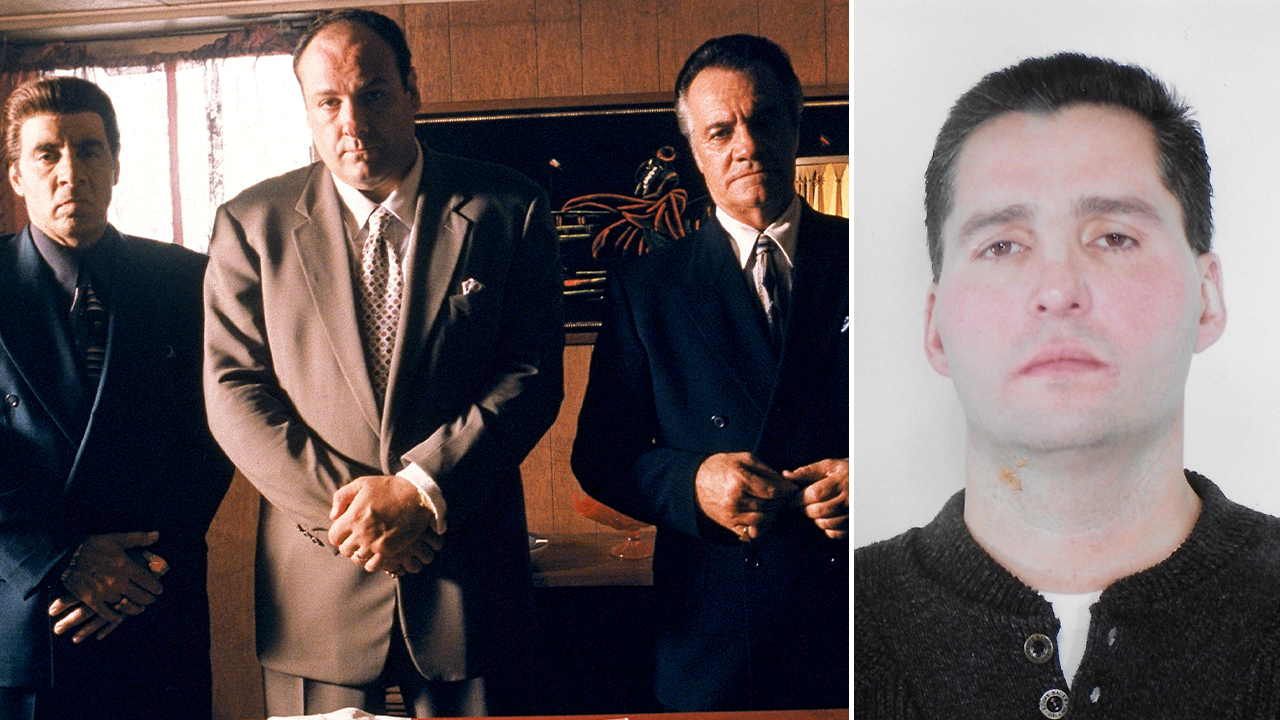
The timing of the investigation created a fascinating intersection between reality and fiction, as HBO’s “The Sopranos” debuted just as the real DeCavalcante family was unraveling. This convergence provided some surreal moments for investigators, including capturing actual mobsters on tape discussing which characters on the show corresponded to real-life figures in their organization. “That recording was priceless for trial,” McElearney noted. “All we had to do was hit play.” But while “The Sopranos” presented a somewhat romanticized version of mob life, the reality was far more disturbing. One particularly chilling FBI recording captured a hitman calmly describing the execution of Joseph Conigliaro, a ruthless mob associate who used a wheelchair. “He was shot six times,” McElearney recounted. “He got out of the car, drove away, put his blinker on and drove himself toward the hospital.” As the investigation progressed, the stakes escalated dramatically, with authorities discovering contracts not only on Capo’s life but also on his children and on law enforcement personnel involved in the case. “That became very real very quickly,” McElearney said, underscoring the genuine danger faced by everyone connected to the investigation.
The impact of McElearney’s work on the DeCavalcante case was profound, resulting in 71 convictions, solving 11 murders, and bringing seven separate trials before federal juries—effectively dismantling what had once seemed an untouchable criminal enterprise. This success launched McElearney into further high-profile investigations, including operations against the Colombo crime family and what the FBI has described as the largest mafia takedown in its history. Throughout his distinguished career, McElearney helped convict 10 mafia bosses and solve more than 30 homicides—11 tied to the DeCavalcante case and over 20 linked to Bonanno and Colombo family investigations. His contributions to fighting organized crime were recognized at the highest levels when, in 2013, he was invited to the White House and personally acknowledged by the president for his exceptional work against America’s most entrenched criminal organizations.
Despite these significant victories, McElearney offers a sobering perspective on the state of organized crime today. While the traditional mafia structures have been significantly weakened through prosecutions like the DeCavalcante case, they haven’t disappeared entirely. “They’ve been around for 125 years,” he cautioned. “If you don’t keep an eye on them, they’re going to rebuild.” For those still entangled in the world of organized crime, McElearney’s message is direct and unambiguous: “At some point, you’re gonna have to make a choice between your real family and their family,” he warned. “And at the end of the day, you’re just gonna get caught.” The legacy of the DeCavalcante investigation extends beyond its statistical achievements; it demonstrated that even the most entrenched criminal organizations can be vulnerable when the right strategy, preparation, and human connections align—proving that sometimes, the most effective weapon against organized crime isn’t brute force, but the strategic flipping of a single, well-placed insider.