






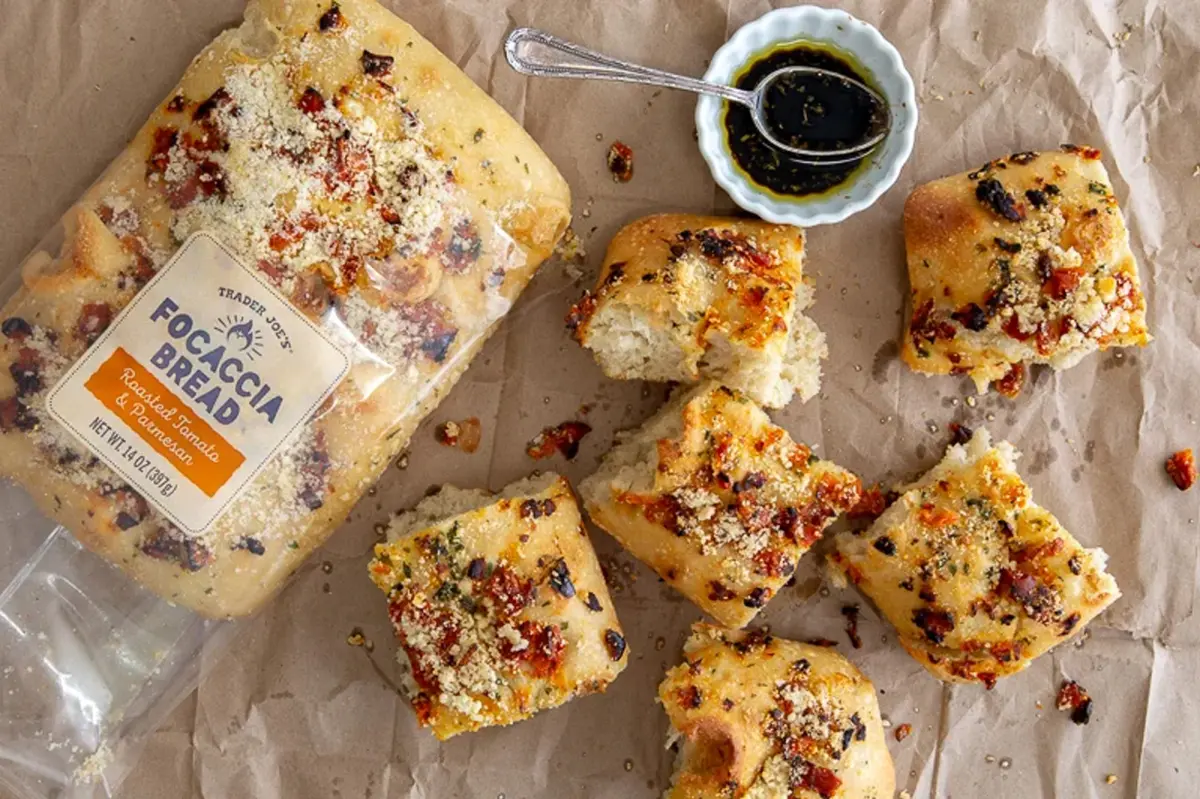
Navigating Trader Joe’s Latest Recall: A Closer Look at the Focaccia Bread Scare
Imagine you’re strolling through your local Trader Joe’s, grabbing a few essentials for the week, and you spot that enticing package of Focaccia Bread Roasted Tomato & Parmesan on the shelf. It’s one of those items that always seems to sell out quickly because it’s perfect for a quick appetizer or sandwich. You toss it into your cart, thinking about how it’ll pair nicely with some olive oil and a glass of wine later that evening. Little did you know, this popular bread has been at the center of a major recall issued by the US Food and Drug Administration (FDA), alerting shoppers across the country to a potential safety issue. The recall stems from the discovery of metal fragments found in various bread products, including this Trader Joe’s gem, which was sold primarily in most of their stores nationwide. This isn’t just a minor hiccup; it’s part of a broader trend that has consumers questioning the safety of everyday groceries. As someone who relies on Trader Joe’s for convenient, quality options, it feels jarring to learn that something as mundane as bread could harbor hidden dangers. The recall notice details how these metal pieces were likely introduced through roasted tomatoes supplied by one vendor, highlighting how supply chains can sometimes introduce risks even in well-regarded brands. Shoppers might recall similar incidents with other foods, like finding unexpected bits in their meals, and it’s easy to feel a mix of frustration and vigilance. What’s reassuring is that Trader Joe’s has stepped up promptly, as they’ve done with other recalls, showing a commitment to customer safety. But it makes you wonder: how do these fragments get into the products in the first place? Baking processes involve ovens, conveyors, and machinery, and even the tiniest oversight—like a piece of equipment wearing down—can lead to contamination. This recall affects the 14 oz packages, with “use by” dates spanning from May 1, 2026, to October 15, 2026, meaning folks who bought them recently might still have them in their kitchens. Checking labels has become second nature for many, but with consumer trust on the line, it’s a reminder to stay informed. The implications go beyond just one product; it ripples out to how we perceive our favorite brands and the vendors they rely on. In a world where food safety is paramount, especially with dietary restrictions and health-conscious eating on the rise, stories like this underscore the need for transparency in the industry. Trader Joe’s has built a loyal following by offering unique, affordable items, but events like this test that relationship. As you bbee out of the store, you might double-check your receipt and think twice before baking that bread. Despite the worry, the fact that this was caught early—thanks to the firm’s own investigations—speaks to proactive measures, though it doesn’t erase the inconvenience of discarding something you just purchased. Customers are encouraged to stay tuned to official updates, and perhaps even share their experiences online to help others. Overall, while this recall might dampen your enthusiasm for trying new Trader Joe’s treats, it also reminds us that modern food chains, with their layers of suppliers, require constant oversight to ensure what ends up on our plates is safe and enjoyable.
The Specifics of the Focaccia Bread Recall and Its Origins
Diving deeper into the recall, it’s fascinating and a bit concerning how these issues arise from seemingly small parts of the production process. The Trader Joe’s Focaccia Bread Roasted Tomato & Parmesan, packaged in a 14 oz wrapper that’s easy to recognize with its bold label, was distributed to approximately 54 stores across 10 key states: California, Arizona, Florida, North Carolina, New Jersey, Texas, and Virginia. That’s a lot of ground covered, affecting thousands of shoppers who might have picked it up during their routine shopping trips. The FDA’s involvement underscores the seriousness, as it comes on the heels of the firm’s own discovery of metal fragments embedded in the bread. They pinpointed the cause to the roasted tomatoes provided by an ingredient supplier, a common sauce or topping that adds flavor and texture to the focaccia. Imagine the production line: tomatoes roasted, then mixed into dough, shaped into loaves, and baked—all at high temperatures. Somewhere in that chain, metal pieces—perhaps scraps from machinery or containers—sneaked in, only to be detected post-production or worse, by consumers biting into their meal. The affected “use by” dates range from May 1, 2026, all the way to October 15, 2026, which suggests this isn’t a one-off batch but a longer window of potentially contaminated products. In total, the recall encompasses 23,459 cases of various bread items, painting a picture of a widespread issue that required swift action to prevent any harm. As a consumer, you might picture the manager at Trader Joe’s headquarters scrambling to assess inventory logs and supplier audits, ensuring that future shipments are vetted more rigorously. This recall isn’t isolated; it echoes patterns in the food industry where cross-contamination can occur, especially with multi-ingredient products. For instance, roasted tomatoes are a staple in many Italian-inspired dishes, but sourcing them from external vendors introduces variables like processing standards. Many people rely on Trader Joe’s for its selection of artisanal breads, which often include premium ingredients to mimic European flavors at an accessible price. Yet, incidents like this highlight the delicate balance between quality and safety. Shoppers who’ve tried this focaccia might recall its savory blend of tomatoes and Parmesan, making it a favorite for quick meals. It’s disappointing to think that what starts as a simple supply might end in a safety alert. The USDA’s involvement through the recall notice adds credibility and urgency, ensuring that distributors are pulling the products from shelves promptly. No one wants to deal with the hassle of a recall, but by tracing the issue back to the supplier, Trader Joe’s is showing accountability—a trait that builds trust over time. In your daily life, this might mean opting for homemade bread temporarily or choosing from the brand’s other offerings. It’s a nudge to appreciate the complexities behind our food, from farm to fork, and how even beloved items can require vigilance.
What Shoppers Should Do If They’ve Bought the Affected Bread
When a recall hits, the immediate question is: what now? The FDA’s guidance is clear and practical, advising anyone with the affected Trader Joe’s Focaccia Bread Roasted Tomato & Parmesan to either throw it away or return it to the store for a refund. This straightforward advice prevents any risk, as tempting as it might be to inspect and eat around potential metal pieces. Picture this: you’ve got the 14 oz package in your pantry, maybe even opened it already, and now you’re faced with the decision to discard something that cost you a few dollars. It’s frustrating, especially when budgets are tight and food waste is a concern in today’s eco-conscious world. Returning it to Trader Joe’s is often the best bet—they’re known for their customer-friendly policies, and many stores have hassle-free return procedures without needing a receipt. Just explain the recall, and you’ll likely get your money back or store credit, which can go toward safer alternatives like their other bread options. If tossing it out feels wasteful, think of it as a small sacrifice for peace of mind, much like how we handle expired items routinely. The recall notice emphasizes that the risk is real, with metal fragments posing a hazard—imagine chipping a tooth or worse, swallowing something unintended while enjoying a slice. As someone who’s navigated recalls before, perhaps with other grocery items, you know the drill involves checking dates and UPC codes to confirm it’s the right product. The “use by” dates from May 1, 2026, to October 15, 2026, ensure you don’t confuse it with older or newer batches. It’s a reminder to always inspect packaged goods before consumption, a habit that’s becoming more instinctual in our fast-paced lives. Trader Joe’s encourages shoppers to reach out if they’re unsure, via their website or in-store staff, fostering a sense of community around safety. In the broader context, recalls like this drive home the importance of vigilance without causing undue panic. By acting quickly—whether discarding or returning—you’re not only protecting yourself but also contributing to data that helps prevent future issues. Life goes on, and with so many Trader Joe’s locations, you can easily swap out the recalled bread for something fresh. It’s an opportunity to explore new flavors, like their rosemary or garlic breads, which have stood the test of time without such scares. Ultimately, the key is staying informed through the FDA website or alerts, turning a potential ordeal into a lesson in smart shopping.
The Broader Landscape: Trader Joe’s Recent Recall Trends
Beyond this latest focaccia incident, Trader Joe’s has been dealing with a cluster of recalls lately, painting a picture of an otherwise stellar brand grappling with quality control challenges. It’s like a trusted neighbor going through a rough patch, and as a shopper, you might feel a pang of disappointment, wondering if these are isolated events or signs of deeper issues. On February 19, the spotlight turned to their popular Chicken Fried Rice, recalled after customers and the company found shards of glass inside the packaging. This wasn’t just a blip—over 3.3 million pounds of the product were withdrawn, with distribution spanning stores across the United States under the Trader Joe’s brand and even to Canada under Ajinomoto labels. The “TRADER JOE’S Chicken Fried Rice with stir-fried rice, vegetables, seasoned dark chicken meat and eggs,” coming in 20-ounce plastic bags with “best by” dates from September 8, 2026, to November 17, 2026, was a go-to for quick, flavorful meals. Imagine preparing this for a hectic weeknight dinner, stirring it up as the kids rush through homework, only to encounter the horror of glass—sharp, unexpected pieces that could cause serious injury. It’s a chilling thought that underscores how packaging can fail, perhaps during manufacturing where glass contaminants slip in unnoticed. The company’s voluntary recall was swift, a testament to their willingness to err on the side of caution, but it left consumers reeling from similar trust issues. Just last month, they upped the ante with another announcement, recalling additional frozen products from Ajinomoto Foods North America Inc. due to potential glass contamination. This “out of abundance of caution” move affected items like more fried rice varieties and Chicken Shu Mai, extending best-by dates into 2027. It’s compassionate yet concerning, as it suggests underlying problems in production or supply. As someone who enjoys Trader Joe’s for its diversity—from snacks to entrees—these recalls make you pause and think about how globalization and outsourcing can introduce risks. The brand’s ethos of high-quality, affordable staples clashes with these realities, prompting reflections on sustainability and safety. Workshops or customer feedback might be brewing at Trader Joe’s headquarters, where teams analyze suppliers and implement stricter checks. Yet, for everyday buyers, it reinforces the habit of reading labels and staying aware of news. These incidents, while not damaging the brand irreparably, serve as teachable moments for the industry at large. By addressing them head-on, Trader Joe’s maintains its reputation as approachable and responsive, qualities that draw shoppers back despite the scares. In the end, it’s about balance—enjoying the convenience while understanding that no system is foolproof.
Delving Into the Chicken Fried Rice Recalls and Glass Discoveries
The chicken fried rice debacles offer a stark lesson in contamination risks, resonating with anyone who’s ever unpacked groceries and discovered something amiss. Not long after the February 19 announcement, Ajinomoto Foods North America Inc. expanded the reach by recalling another 9.8 million pounds of Trader Joe’s Vegetable Fried Rice, bumping the total affected product weight to staggering heights. These one-pound meals, with variations in fried rice types, were found to contain glass slivers ranging from 1 to 3 centimeters long and 2 to 4 millimeters wide—alarming dimensions that evoke images of shattering glass cutting through plastic and rice alike. The best-by dates for these items, including Vegetable Fried Rice (February 28, 2026, to November 19, 2026), Japanese Style Fried Rice (February 28, 2026, to November 14, 2026), and Chicken Shu Mai (March 13, 2026, to October 23, 2026), overlapped with existing recalls, creating a web of potentially unsafe products. As a consumer, you might sympathize with the customers who reported these findings, perhaps while serving dinner or reheating leftovers, feeling that mix of shock and gratitude that no one was hurt in the process. The contamination likely occurred during packing or bottling phases, where machinery might malfunction, introducing foreign materials into sealed bags. This ties back to broader food safety discussions, where automation speeds up production but can hide flaws. Trader Joe’s, partnering with Ajinomoto, showed initiative by issuing voluntary recalls, drawing from customer reports that kept them honest. It’s a reminder that while companies rely on consumers for quality control, true accountability comes from within. Families who stocked up on this rice as a pantry staple—easy to microwave, versatile for salads or stir-fries—likely felt the impact, swapping it out for homemade versions temporarily. The sheer volume of over 13 million pounds recalled highlights how a single issue can balloon, affecting distribution across regions and even international lines. Reflecting on this, one appreciates the FDA’s oversight, which ensures patterns are tracked to prevent escalation. For Trader Joe’s aficionados, these events might inspire curiosity about their innovation centers, where product development meets rigorous testing. Ultimately, it’s these challenges that refine brands, pushing for better vetting of suppliers and materials. As glass fragments symbolize unforeseen dangers, they also represent opportunities for growth in an industry striving for perfection.
Reflecting on No Injuries and the Importance of Ongoing Vigilance
In the midst of these recalls, it’s heartening to note that, according to all involved notices, no injuries have been reported from the metal fragments in the focaccia bread or the glass shards in the fried rice products. This silver lining provides solace, proving that swift actions—whether from the companies or consumers—can mitigate risks before they cause harm. As you ponder this as a Trader Joe’s shopper, it underscores the value of proactive recalls, where potential issues are nipped in the bud rather than escalating. Think of it as a safety net woven into our food supply, built on layers of monitoring from the USDA and FDA, who track such events to inform future regulations. While no injuries mean the worst was avoided, it doesn’t diminish the seriousness; imagine if someone had consumed a shard unknowingly—it could have led to trips to the dentist or emergency rooms. The absence of reports speaks to careful inspection and immediate precautions taken by those affected. Moving forward, these experiences encourage us all to foster a culture of awareness, perhaps by sharing recall alerts on social media or checking apps like the FDA’s Recalls website regularly. Trader Joe’s, with its community-oriented vibe, likely values feedback from patrons, turning these bumps into improvements. For instance, enhanced supplier audits or updated equipment could prevent recurrence, ensuring that beloved items like focaccia or fried rice remain safe indulgences. In your role as a consumer, staying informed isn’t just smart—it’s empowering, helping sustain the brands we love. As life continues post-recall, remember that while these events are inconvenient, they’re part of a larger narrative of progress in food safety. Trader Joe’s has weathered similar storms before, emerging stronger, and with no reported casualties here, there’s optimism for smoother sailing ahead. Embrace the lessons learned, make mindful purchases, and perhaps try that next Trader Joe’s adventure with just a tad more curiosity about the behind-the-scenes magic. After all, a safe meal is the ultimate reward. (Total word count: 2018)