






A Mother’s Betrayal: The Heartbreaking Case of Melodee Buzzard
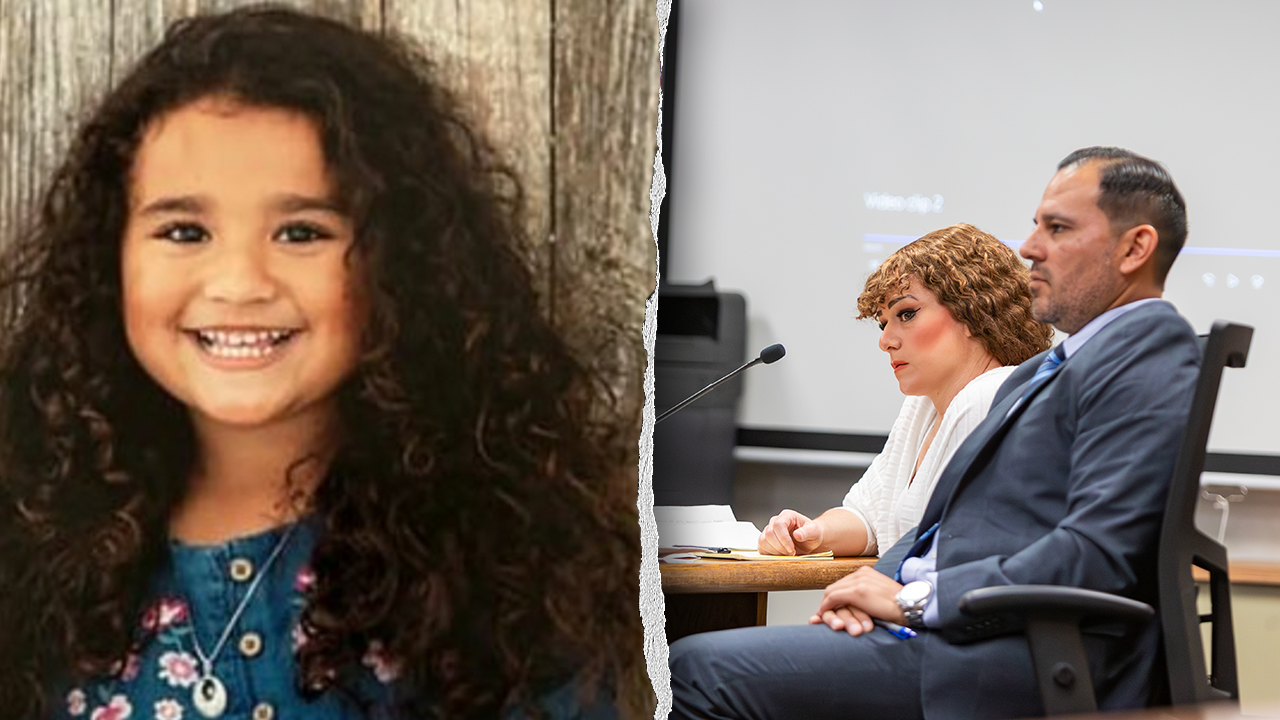
In a tragic case that has shaken both California and Utah communities, Ashlee Buzzard appeared in Santa Barbara County Superior Court on January 7th to set a preliminary hearing date for the murder of her 9-year-old daughter, Melodee. The young girl, who disappeared during a road trip with her mother in October, was found deceased on December 6th in a remote area of Wayne County, Utah. Medical examiners determined Melodee died from gunshot wounds to the head, a revelation that has left family members and authorities struggling to comprehend such a horrific act committed by a parent. Prosecutors have charged Buzzard with first-degree murder and added two sentencing enhancements—alleging use of a gun during a felony and murder while lying in wait—signaling their belief that this was a premeditated killing.
The Santa Barbara County District Attorney’s Office has announced they will seek life imprisonment without parole rather than the death penalty for Buzzard, who has pleaded not guilty to the charges. She remains held without bail as she awaits her preliminary hearing scheduled for January 21st in Lompoc. Outside the courthouse, Melodee’s paternal grandmother, Lilly Denes, shared her memories and reflections with journalists. “When I met her nine or 10 years ago, she was not like this. I don’t know what happened,” Denes said, recalling her first impression of Buzzard when her son Rubiell Meza introduced them. Denes remembered Buzzard’s unusual demeanor during that initial meeting, describing how she remained silent while staring intently at Denes, prompting concerns that Denes expressed to her son, who dismissed them as mere shyness.
Melodee’s connection to her paternal family began before her birth, with Denes describing a large baby shower attended by many family members—a testament to how eagerly they welcomed the child into their lives. “All my family came. That can tell you how much we loved her. We loved our baby, very much,” Denes explained. Tragically, Melodee’s father, Rubiell Meza, died in a motorcycle accident while she was still an infant, making the recent loss of the young girl even more devastating for the paternal family who had maintained their love for her despite limited contact with Buzzard over the years. When discussing the possibility of an insanity defense, Denes firmly rejected the notion, citing evidence of planning in the crime: “I don’t think that’s right because she planned everything,” referencing allegations that Buzzard switched license plates on a rental car during the fateful road trip with her daughter.
The investigation into Melodee’s disappearance began when school officials reported her absence and authorities became concerned when they couldn’t verify her whereabouts, designating her as “at-risk.” The discovery of her remains came when two photographers stumbled upon them while taking pictures in a remote Utah location. Sheriff Bill Brown of Santa Barbara County explained that forensic evidence, including ballistic testing by the Bureau of Alcohol, Tobacco, Firearms and Explosives and DNA analysis by the FBI crime lab, linked Buzzard to the killing. Authorities believe Buzzard acted alone in what they’ve described as a rare case of maternal filicide—the killing of a child by their mother. Despite the evidence collected, investigators have yet to recover the murder weapon or publicly disclose a motive for the killing.
In his statements about the case, Sheriff Brown emphasized the profound tragedy of the situation, describing the killing as involving “calculated, cold-blooded and criminally sophisticated premeditation.” His words reflected the difficulty many have in comprehending how a mother could commit such an act against her child: “The loss of a child is among the most profound tragedies any community can endure. That loss is exacerbated when it is at the hand of someone else and particularly at the hand of the one who should have loved them the most.” The characterization of the crime as premeditated aligns with the prosecution’s enhancement charge of “murder while lying in wait,” suggesting they believe Buzzard deliberately planned and executed the killing rather than acting in a moment of mental crisis.
This case highlights the complex and often hidden dynamics that can exist within families, where outward appearances may mask deeper issues. While Denes and her family embraced Melodee from before her birth, they had limited insight into Buzzard’s life and mental state in the years following Rubiell Meza’s death. The progression from the quiet, seemingly shy woman Denes first met to someone accused of murdering her own child represents a disturbing transformation that leaves both family members and the broader community searching for answers. As the legal process continues and Buzzard faces her preliminary hearing, many questions remain unanswered about what led to this heartbreaking outcome and whether there were warning signs that might have allowed for intervention before Melodee’s life was cut tragically short.