





Mayor-Elect Mamdani’s Decision to Move to Gracie Mansion
In a heartfelt announcement on Monday, Mayor-elect Zohran Mamdani revealed his plans to leave behind his modest Astoria apartment for the historic Gracie Mansion following his inauguration. This decision represents a significant personal transition for the Democratic socialist, who has built his political identity around understanding the everyday struggles of ordinary New Yorkers. Mamdani and his wife Rama have been residing in a $2,300-per-month rent-stabilized one-bedroom apartment, a living situation that resonated with many of his constituents who face similar housing challenges in the city. In his statement, he cited family safety concerns as the primary motivation behind the move, suggesting the heightened profile and responsibilities of his new role necessitate additional security considerations that their current living arrangement cannot accommodate.
The decision appears to have been made with mixed emotions, as Mamdani’s announcement was tinged with nostalgia for the home they’ve created together in Queens. He spoke warmly about the simple pleasures of their apartment life – cooking meals together in their modest kitchen, the familiar routine of sharing elevator rides with neighbors, and the vibrant sounds of community life that filtered through the walls. These small but meaningful aspects of everyday urban living clearly hold special significance for the incoming mayor, who has positioned himself as a champion of working-class New Yorkers. His description paints a picture of a leader who values the authentic connections and experiences that come with being embedded in the communities he serves, making the decision to leave all the more poignant.
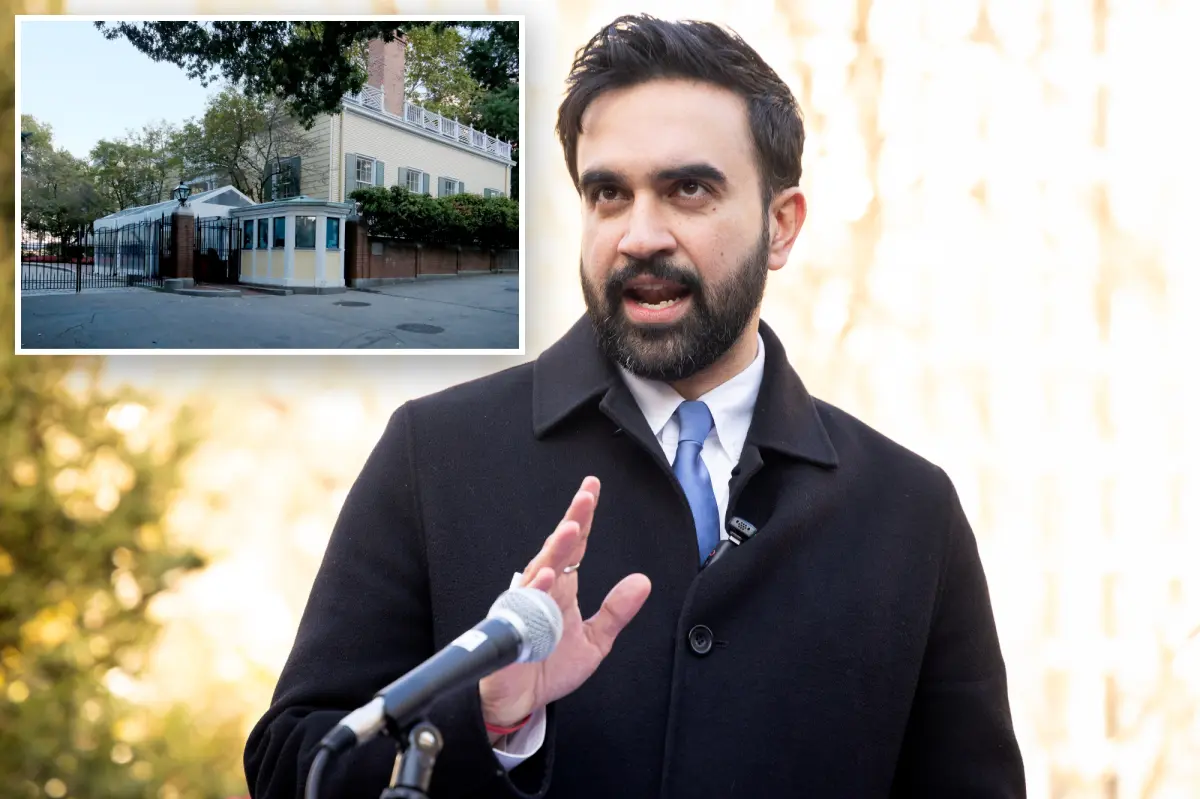
While the move to Gracie Mansion represents a dramatic change in living circumstances, Mamdani framed it as a practical necessity rather than a personal preference. The historic mayoral residence on Manhattan’s Upper East Side stands in stark contrast to his Astoria apartment – a grand 220-year-old Federal-style mansion set on 11 acres overlooking the East River. For a politician who has advocated for affordable housing and tenants’ rights, the transition to such an iconic symbol of privilege and power could potentially create a perception challenge. However, by emphasizing that the decision “came down to our family’s safety and the importance of dedicating all of my focus on enacting the affordability agenda,” Mamdani attempted to connect his personal choice to his broader political commitments, suggesting that the move would ultimately enable him to better serve the city’s residents.
The mayor-elect’s announcement highlights a common tension faced by progressive politicians who rise to positions of power – how to balance personal security needs and practical considerations with the values of accessibility and relatability that helped define their political identity. Mamdani’s decision follows a tradition of New York City mayors who have chosen to reside at Gracie Mansion, though not all have made this choice. His predecessor Eric Adams notably spent significant time at his Brooklyn residence while maintaining a presence at the mansion, while former mayor Michael Bloomberg opted to remain in his private townhouse throughout his tenure. Each mayor’s housing decision inevitably becomes symbolic, reflecting their relationship with the office and their vision for connecting with constituents.
For many New Yorkers, Mamdani’s transition from a rent-stabilized apartment to Gracie Mansion mirrors larger questions about housing, accessibility, and representation in city governance. As a democratic socialist who campaigned on addressing affordability crises, Mamdani’s personal housing story has been an important part of his political narrative. The one-bedroom apartment in Astoria represented his direct connection to the housing challenges facing ordinary New Yorkers – the same rising rents, limited space, and community-focused living that characterize urban life for many residents. His acknowledgment of what he’ll miss about this lifestyle suggests an awareness that physical proximity to everyday experiences can inform policy perspectives in meaningful ways.
As Mamdani prepares for this transition in January, his framing of the move reflects an attempt to maintain authenticity while adapting to the realities of his new role. By emphasizing that the decision will allow him to focus fully on “enacting the affordability agenda New Yorkers voted for,” he connects his personal choice to his political mandate. The challenge ahead will be demonstrating that the move to Gracie Mansion represents not a disconnection from the communities he serves, but rather a strategic position from which to more effectively address their needs. For a mayor whose election signaled voters’ desire for progressive change in addressing the city’s inequalities, maintaining this connection will be essential – proving that understanding the struggles of everyday New Yorkers doesn’t necessarily require sharing identical living circumstances, but rather a consistent commitment to policies that improve their quality of life.