


The Weight of a Mother’s Despair
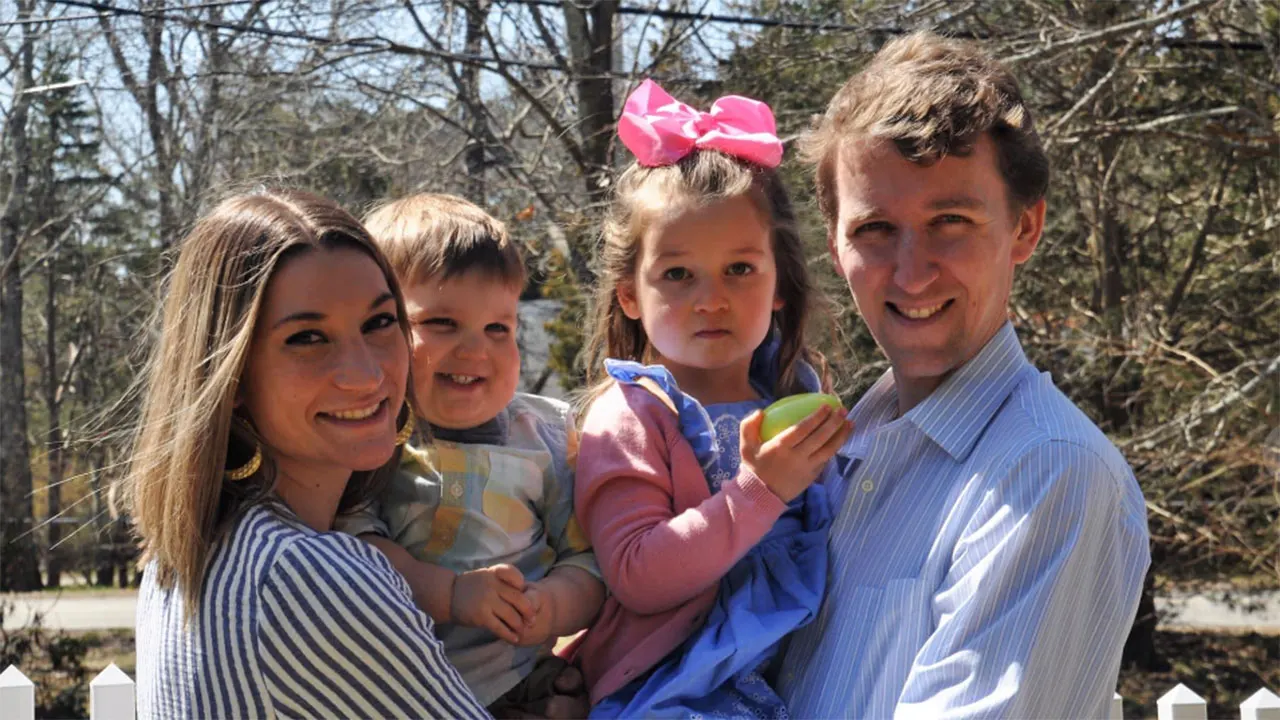
In the quiet suburban town of Duxbury, Massachusetts, a family’s life unraveled in a nightmare that began on a seemingly ordinary day in January 2023. Lindsay Clancy, a dedicated labor and delivery nurse known for her compassionate care of newborns, was a mother grappling with unseen shadows. With three young children—five-year-old Cora, a bright spark of energy; three-year-old Dawson, full of curiosity; and eight-month-old Callan, innocent and new to the world—she and her husband Patrick had built a picture-perfect home. But beneath the surface, Lindsay battled severe postpartum depression, a condition that had escalated in the months following Callan’s birth. Court documents reveal her world had become increasingly isolated, overwhelmed by a cocktail of psychiatric medications—Zoloft, Prozac, Valium, Ativan, Klonopin, Trazodone, and Seroquel—prescribed to manage anxiety and mood swings. Whispers from her husband to a family friend spoke of concerns about withdrawal from one anxiety drug, hinting at a fragile mental state teetering on the edge.
The day of the tragedy started routinely: Lindsay drove Cora to a pediatrician appointment, reached out to a CVS pharmacy for refills, ordered takeout for dinner, and even used her phone to plan routes, creating a facade of normalcy. She texted her husband to pick up the orders, ensuring she’d be alone with the kids in their home. Prosecutors allege she used exercise bands to strangle her children one by one—Cora, so full of life and laughter; Dawson, with his adventurous spirit; Callan, just beginning his journey. Then, in a haze of anguish, Lindsay attempted to end her own life, slashing her wrists and neck before opening a window, as if seeking escape. Patrick rushed home after receiving the deliveries to find an eerie silence, bloodstains on the floor, and the window ajar. Discovering his wife outside, bleeding and traumatized, he called for help. The emergency responders arrived to a scene of unimaginable horror, where dreams of family outings and bedtime stories lay shattered.
Paralyzed from the chest down after her suicide attempt, Lindsay now resides at Tewksbury State Hospital, receiving round-the-clock psychiatric care. She remains under close supervision, a shell of the vibrant nurse who once nurtured life into the world. Her attorneys describe her as suffering from catastrophic mental health failures, exacerbated by overmedication and undiagnosed withdrawal. In a lawsuit against her providers, she accuses them of malpractice in handling her conditions, leaving her vulnerable at a time she desperately needed support. Now, nearly a year later, Lindsay faces murder and strangulation charges for the deaths of her three children. The prosecution paints a picture of calculated action—using common household items like fitness bands to inflict harm—but her defense team argues her mind was fractured by illness, not malice.
A Trial’s Turning Point: Admission and Insanity
As her trial looms, Lindsay’s legal team is making a bold move to humanize her story and shift the narrative. In a recent filing, attorney Kevin Reddington proposed that Lindsay formally admit in writing to her involvement in the horrific events, acknowledging the actions that led to her children’s deaths. This concession aims to bypass the guilt phase altogether, focusing the jury’s attention solely on her mental state at the time—whether postpartum depression and medication complications rendered her legally insane, incapable of understanding the wrongfulness of her acts. If proven, Massachusetts law could spare her prison, committing her instead to a secure mental health facility indefinitely. The motion argues that separating the trial phases would streamline proceedings, avoiding redundant evidence of the killings themselves.
Prosecutors, however, oppose this approach, insisting that the same witnesses and forensic details—exercise bands, medications, notebooks, and electronic records—would dominate both phases, making separation pointless. They contend that Lindsay’s state of mind doesn’t erase the deliberate nature of the stranglings, where she allegedly focused on each child individually before turning the instrument on herself. Court filings reveal investigators’ scrutiny of her hours leading up to the event: the appointments, the errands, the calculated isolation all suggesting premeditation. Yet, for Lindsay’s family and supporters, this admission represents a glimmer of accountability intertwined with profound regret. Her husband, Patrick, who lost his children and wife’s mobility in one blow, has maintained she acted out of despair, not hatred.
The judge denied an initial request to split the trial, but Reddington is pushing for reconsideration, emphasizing how Lindsay’s written acknowledgment could transform the proceedings into a forum for discussing mental health stigma and systemic failures in postpartum care. Readers might empathize with her plight, imagining the silent cries of a mother overwhelmed by hormones, isolation, and perhaps the unspoken pressures of modern parenting. Stories like Lindsay’s resonate with countless families where mental illness lurks unseen, turning love into tragedy. As the case unfolds, it highlights the thin line between culpability and compassion, urging society to rethink how we support new mothers facing similar crises.
Echoes of Loss: Remembering the Children
Amid the legal battles and psychological evaluations, the human cost reverberates through memories of Cora, Dawson, and Callan. Cora, the eldest, was a kindergartener with a love for drawing and playing outside, her five years brimming with untapped potential. Dawson, the mischievous middle child, mimicked his dad’s jokes and dashed around the yard, a bundle of joy that filled the home. Baby Callan, still nursing and cooing in his mother’s arms, represented new beginnings that were cruelly extinguished. Their absence leaves a void in the family’s life, forcing Patrick Clancy to navigate grief while advocating for better mental health awareness. He’s spoken publicly about the warning signs he missed—Lindsay’s growing withdrawal, the side effects of her meds—and how a simple conversation earlier might have altered the path.
Communities rally around stories like this, sharing petitions and fundraisers to raise awareness about postpartum depression, which affects one in seven women and can lead to devastating outcomes if untreated. Lindsay’s story underscores the perils of over-reliance on pharmaceuticals without adequate monitoring, as evidenced by her regimen that included sedatives and antidepressants. Experts note that withdrawal from benzodiazepines like Ativan can mimic psychosis, clouds judgment, and heightens impulsivity. For Lindsay, this cocktail may have distorted reality, turning maternal love into uncontrollable despair. As she undergoes a forensic evaluation from April 10 to 12, doctors will probe her psyche, assessing whether she can distinguish right from wrong.
This case isn’t just about one family; it’s a mirror to broader societal issues, where stigma silences sufferers, and healthcare gaps leave vulnerable individuals unsupported. Imagine the fear Lindsay felt, her mind racing with thoughts of inadequacy as a nurse and mother, compounded by postpartum sleep deprivation and hormonal shifts. Her lawsuit against providers alleges negligence in failing to spot red flags, potentially preventing the tragedy. As the trial nears in July, advocates hope it sparks dialogue on preventive measures, like mandatory screenings for new moms and improved access to therapy.
The Emotional Toll on Family and Community
Patrick Clancy’s life has been irrevocably altered, balancing mourning his children with visiting Lindsay in the hospital, where she’s confined to a wheelchair. He’s described the dissonance of loving a partner whose actions led to such loss, grappling with anger, pity, and unresolved questions. Friends and relatives recall Lindsay as empathetic and hardworking, a contradiction that deepens the tragedy. Her paralysis from the suicide attempt adds layers of empathy, reminding us that she too suffered physically and mentally. Community members in Duxbury, a place of close-knit homes and community events, have expressed shock, with some organizing support groups for mental health in honor of the Clancys.
The local dining spots, like the place Lindsay ordered takeout from, now evoke bittersweet memories, and the pediatrician’s office where she took Cora feels haunted. Social media and news outlets buzz with debates on insanity defenses, pitting justice against humanity. For some, Lindsay’s potential admission symbolizes taking responsibility while seeking mercy; for others, it’s an admission of failure by a system that let her down. Her case echoes other heartbreaking incidents, like that of Andrea Yates, who drowned her children amid severe postpartum psychosis, broadening conversations about empathy in the courtroom.
Yet, the emotional scars extend beyond the family. Nurses like Lindsay, often overworked and underrecognized, face high burnout rates exacerbated by personal life stressors. Reports from colleagues at the hospital paint her as dedicated, but perhaps battling internal demons. As the status hearing approaches on April 23, anticipation builds for how mental health evaluations will shape the narrative, potentially leading to civil commitment rather than incarceration, focusing on treatment over punishment.
Society’s Reflection: Mental Health and Motherhood
Lindsay’s ordeal prompts reflection on how society views motherhood and mental illness. In an era of perfect parenting pressures from Instagram influencers and societal expectations, many women mask struggles, fearful of judgment. Postpartum depression isn’t weakness; it’s a medical condition amplified by sleep loss, hormonal changes, and societal isolation. Experts advocate for holistic care, not just Band-Aids of prescriptions, emphasizing therapy, support groups, and family involvement. If Lindsay’s trial centers on her insanity defense, it could set precedents for how courts weigh chemical imbalances and pharmaceutical impacts on behavior.
Humanizing her story means acknowledging the raw vulnerability: a woman who nurtured life professionally yet succumbed to a crisis within. Readers might connect through personal anecdotes of loved ones battling similar shadows, fostering understanding. The Fox News report, with contributions from journalists like Sarah Whitten-Rumpf, brings this to light, urging audiences to listen via audio options for deeper engagement. Initiatives like the True Crime Newsletter amplify these tales, blending journalism with advocacy to prevent future tragedies.
As trial preparations continue, delayed from initial timelines, the focus on mental state could humanize the legal process. Lindsay’s willingness to admit responsibility without disputing actions speaks to remorse, inviting sympathy for a system’s flaws. This narrative challenges us to view crime through a lens of compassion, especially for parents overwhelmed by invisible foes.
Looking Ahead: Justice, Healing, and Advocacy
With the trial slated for July 20, Lindsay Clancy’s path hinges on evaluations and hearings that could redefine her future. If deemed incompetent or insane, she might avoid prison, prioritizing restoration in a mental health context. This outcome could inspire policy changes, like enhanced postpartum support programs in Massachusetts. Patrick’s advocacy, alongside Lindsay’s team, highlights familial resilience amid devastation.
The story humanizes tragedy by detailing everyday moments—like ordering takeout or doctor visits—that preceded catastrophe, reminding us of shared humanity. Support flows from communities, with tips to crime teams and donations fueling mental health causes. Ultimately, Lindsay’s case urges proactive dialogue: early interventions, better medication management, and community empathy to avert similar heartbreaks.
As we process this, podcasts like ‘Crime & Justice with Donna Rotunno’ delve deeper, offering platforms for reflection. From a nurse’s collapse to a family’s eternal loss, it’s a call to action for prioritizing mental wellness in motherhood.