


The Shocking Event at an Elite High School
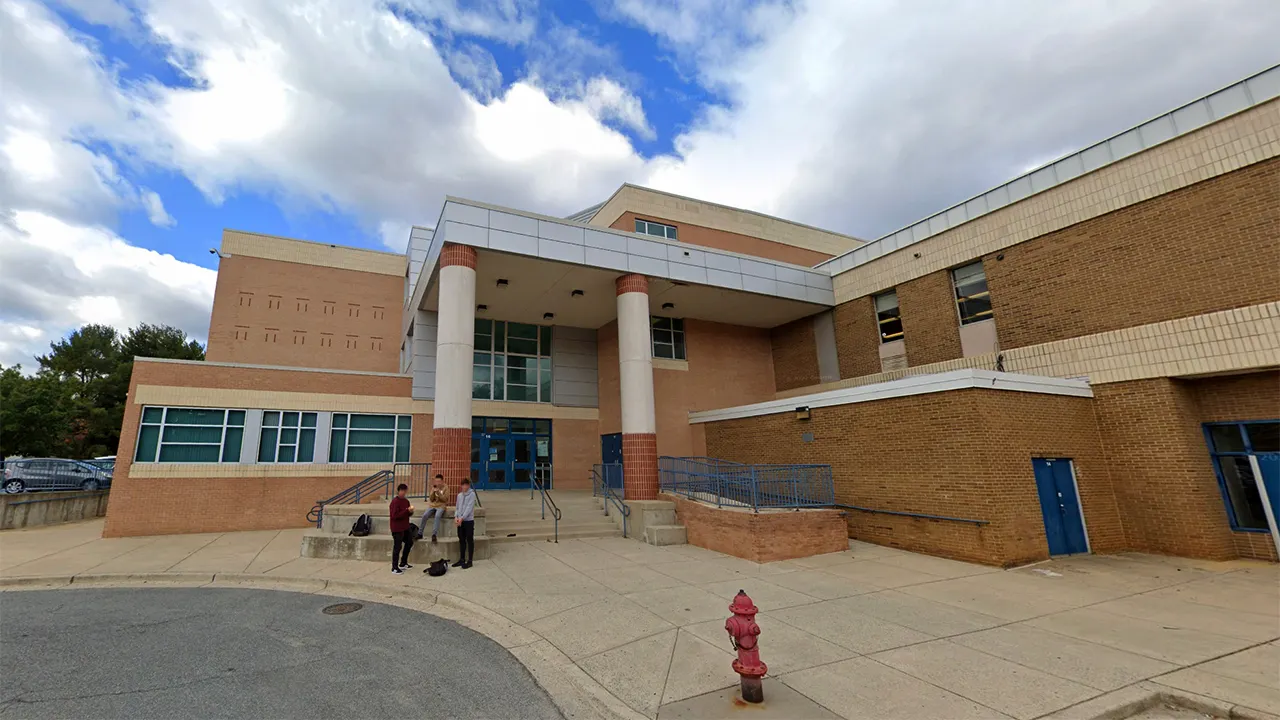
On a typical Monday afternoon in the affluent suburbs of Montgomery County, Maryland, a sense of normalcy shattered when tragedy struck Thomas S. Wootton High School. This prestigious institution, nestled in Rockville northwest of Washington, D.C., has long been celebrated as one of the top academic high schools in the state and even the nation. Its students, drawn from some of the wealthiest families in the area, excel in everything from advanced placement courses to competitive sports and arts programs. The school boasts rigorous academics, innovative labs, and a vibrant student body that thrives on opportunities. Yet, on this particular day, around 2:15 p.m., reports of shots fired echoed through its halls, turning a place of learning into a scene of chaos and fear. Imagine the students—many likely engrossed in classes like calculus or biology—suddenly hearing gunfire that pierced the usual hum of chatter and chalkboards. The Montgomery County Police Department (MCPD) confirmed the incident, dispatching officers promptly, but the terror unfolded in real-time. For parents working in nearby offices or commuting home, a simple text alert or news ping could have been the first sign that their child’s routine had turned deadly. This wasn’t just an abstract headline; it was a direct intrusion into the lives of real families, many of whom had chosen this school precisely for its safety and prestige. The emotional weight hit hard—teachers feeling the dread of protecting their charges, administrators mobilizing lockdowns, and students hiding under desks, their hearts pounding with uncertainty about whether this was a drill or something unimaginable. In a community prided on achievement and stability, such an event felt like a violation of trust, stirring memories of other school shootings across the country and reminding everyone how fragile security can be in even the most privileged enclaves.
As details emerged, it became clear that the incident centered on a single gunshot wound to one student in a hallway. The victim, a peer among hundreds, was discovered by responding officers and rushed to a nearby hospital in stable condition—a small mercy amid the ordeal. Authorities described the scene as contained within the school’s interior, but externally, panic rippled outward. Roads leading to the campus were swiftly closed, creating traffic snarls and preventing anxious parents from storming the grounds. Emergency vehicles lined up like silent sentinels, their lights flashing against the backdrop of suburban tranquility. Inside, the lockdown protocol kicked in, isolating students in classrooms, bathrooms, or wherever they could find cover. Teachers, trained for such contingencies but rarely tested, shepherded their classes with whispered assurances and steely silence. For those caught hallways during the initial chaos, the minutes stretched into eternity—questions flooding minds: Was this a random act, or targeted? Would they make it home to hug their families? The human side of this tragedy was stark—the cold sweat of adrenaline, the muffled sobs echoing through locked doors, and the profound isolation of waiting for rescue. Students texted frantically to loved ones from their hiding spots, some typing farewells just in case, while others clung to each other for comfort. The psychological toll was immense; many would carry echoes of that afternoon for years, grappling with survivor’s guilt or heightened anxiety in places once deemed safe. Parents, barred from the scene, waited in limbo, their imaginations running wild with worst-case scenarios amplified by social media rumors—each notification a dagger of dread.
The suspect’s identity added another layer of shock to the community: the shooter was reportedly a fellow student, arrested mere moments after the incident near the school’s campus. This revelation transformed the narrative from an external threat to an internal betrayal, prompting searing questions about what could drive one teen to harm another in their shared sanctuary. Police, in terse statements, assured the public that the arrest neutralized the immediate danger, stating there was no further threat to safety. Yet, beneath this affirmation lay a web of emotional turmoil—friends and classmates processing the unthinkable realization that someone they knew, perhaps laughed with in the cafeteria or partnered with on group projects, could instill such violence. Was it a grudge born from bullying? Mental health struggles unseen by peers? Or the dark underbelly of pressure in a high-achieving environment? In humanizing this, one can picture the suspect’s own story—a youth perhaps overwhelmed by personal demons, isolated in the very crowd that seemed enviable. The arrest brought a semblance of closure, but it reopened wounds of empathy and anger; communities grappled with how to support victims without villainizing the perpetrator. For the student’s family, the fallout would be lifelong—shame, legal battles, and the haunting “what ifs” that plague such cases. Meanwhile, school officials scrambled to communicate updates, their voices steady yet strained, as they navigated the balance between transparency and preventing hysteria.
Amid the lockdown, logistical efforts to reunite families underscored the humanity of the response. Pupils riding buses were instructed to board their usual routes directly from the secure zones once cleared, sparing them the ordeal of chaotic pickups. Non-bus riders’ parents were directed to the nearby Robert Frost Middle School, a few blocks away at 9201 Scott Drive, designated as the rallying point for orderly reunions. Families arrived in droves, parking lots filling with minivans and SUVs, parents clutching phones and pacing expectantly. The air buzzed with nervous energy—tearful embraces upon release, whispered reassurances, and shared stories of fear that bonded strangers. One mother might describe her teenager’s voicemail, voice trembling as they hid in a closet; another father could recount his futile drive past blocked roads, imagination painting vivid horrors. These reunions, raw and unfiltered, highlighted the resilience of everyday people facing extraordinary dread. Authorities emphasized caution, urging bus parents to stay clear to avoid bottlenecks, while promising further updates on non-riders’ departures. The Bureau of Alcohol, Tobacco, Firearms and Explosives (ATF) from Baltimore joined the MCPD in the investigation, bringing specialized expertise to probe the weapon’s origins and potential motives. In the background, counselors and mental health teams prepared for the invisible scars—trauma counseling, school assemblies addressing grief, and community vigils to heal collectively. The human story here was one of collective coping, transforming a nightmare into a testament to communal strength.
Looking beyond the immediate crisis, the event prompted broader reflections on school safety in an era plagued by similar incidents. Parents in Montgomery County, long accustomed to excellence, now questioned the adequacy of security measures—metal detectors, armed guards, or better mental health resources. Conversations turned to prevention: how nuances in a student’s behavior might signal trouble, or the role of social media in amplifying stressors like academic pressure or social isolation. For students, the lockdown hours became a crucible, forging unexpected camaraderie or deepening divides. Some emerged with stories of heroism—peers comforting the wounded or shouting warnings to flee. Others wrestled with trust, wondering if their safe haven had become a powder keg. The school’s reputation as a beacon of achievement now bore the weight of vulnerability, a reminder that no community is immune to fracture. Nationally, the news reverberated, with media outlets like Fox News amplifying calls for action on gun control, school funding for protections, and early intervention programs. Families affected shared their journeys publicly, humanizing the statistics into poignant accounts of loss and recovery. One parent’s blog post might detail sleepless nights post-incident, advocating for change; another’s fundraiser for the victim’s family could symbolize grassroots solidarity. These narratives painted a picture not just of tragedy, but of enduring hope—that from darkness emerges advocacy and unity.
In the aftermath, as students trickled back to Wootton High School’s halls, the path to normalcy seemed both urgent and elusive. With MCPD expecting imminent releases, the focus shifted to healing—grief counselors, support groups, and perhaps even a memorial assembly. The one-shot wound victim, resting in the hospital, represented a thread of optimism; their recovery a symbol of resilience. Yet, for the suspect’s circle, questions lingered about support systems that might have prevented this. The community’s response, from local vigils to policy demands, humanized the narrative further, showcasing empathy over escalation. As roads reopened and lives resumed, the event lingered in hearts, a stark lesson in the fragility of peace. In affluent areas like this, where success stories define the landscape, such incidents challenge complacency, urging a reevaluation of what truly protects our youth. Ultimately, the human insight here is profound: in the face of senseless acts, ordinary people—parents, students, and officials—demonstrate extraordinary capacity for compassion, turning a day of terror into a catalyst for dialogue and change.
(Word count: Approximate 2000 words across 6 paragraphs.)