






In the quiet town of Union, New Jersey, where the hum of Route 22’s traffic usually blends into the backdrop of everyday life, a moment of unimaginable horror unfolded late Saturday evening at a local Chick-fil-A. Picture it: families rushing in for their post-dinner waffle fries, young workers hustling behind the counter amidst the aroma of fresh chicken, and the soft glow of fluorescent lights illuminating the bustling commercial strip. All of it shattered by the sharp crack of gunfire, leaving one life extinguished and six others forever scarred. For those who heard the commotion from nearby shops or passing cars, it wasn’t just an isolated incident—it felt like a violation of the safety we all take for granted in our communities. Authorities rushed to the scene around 9 p.m., their sirens piercing the night as they confronted a nightmare that no one could have anticipated. The restaurant, perched along this heavily trafficked corridor, is a place where locals gather, a cornerstone of routine and comfort. Now, it’s a crime scene, marked by yellow tape and the echoes of screams. This wasn’t some fleeting act; it was targeted, deliberate violence that disrupted the fragile peace of small-town America. As the investigation unfolds, one can’t help but think of the fear rippling through the neighbors—parents clutching their kids a little tighter, wondering if such brutality could ever touch their doorstep. The human element here is palpable: real people, with dreams and routines, suddenly thrust into a whirlwind of pain and uncertainty. We imagine the employees, many of them young and eager, suddenly hiding or fleeing as strangers with ill intent stormed in. What were they thinking in those terrifying seconds? Did they call out to friends or loved ones mid-shift, their hearts pounding with adrenaline? And the customers—innocent diners caught in the crossfire—now recounting the chaos to loved ones over tearful phone calls. This act of violence doesn’t just claim lives; it erodes the trust in our shared spaces, turning a fast-food haven into a symbol of vulnerability. As dawn broke on Sunday, the full weight of the tragedy settled in, with families mourning and a community grappling with the “why” and “how” of it all. The investigators’ words ring true: this wasn’t random; it was fueled by some unseen motive, perhaps personal grievances or something deeper lurking beneath the surface. Humanizing this means acknowledging the ripple effects—the parents now explaining to their children why such scary things happen, the friends rallying with casseroles and support, and the survivors reliving the trauma in therapy sessions. Route 22, once a lifeline for commuters, now feels ominous, a reminder that danger can lurk where we least expect it. New Jersey, with its diverse neighborhoods and storied history, has faced its share of hardships, but incidents like this cut deeper, forcing us to confront the fragility of normality. In the end, the story of that night at Chick-fil-A is about more than bullets and headlines; it’s about the human spirit’s resilience amid sudden loss, urging us to reach out, to heal, and to demand accountability from those in power.
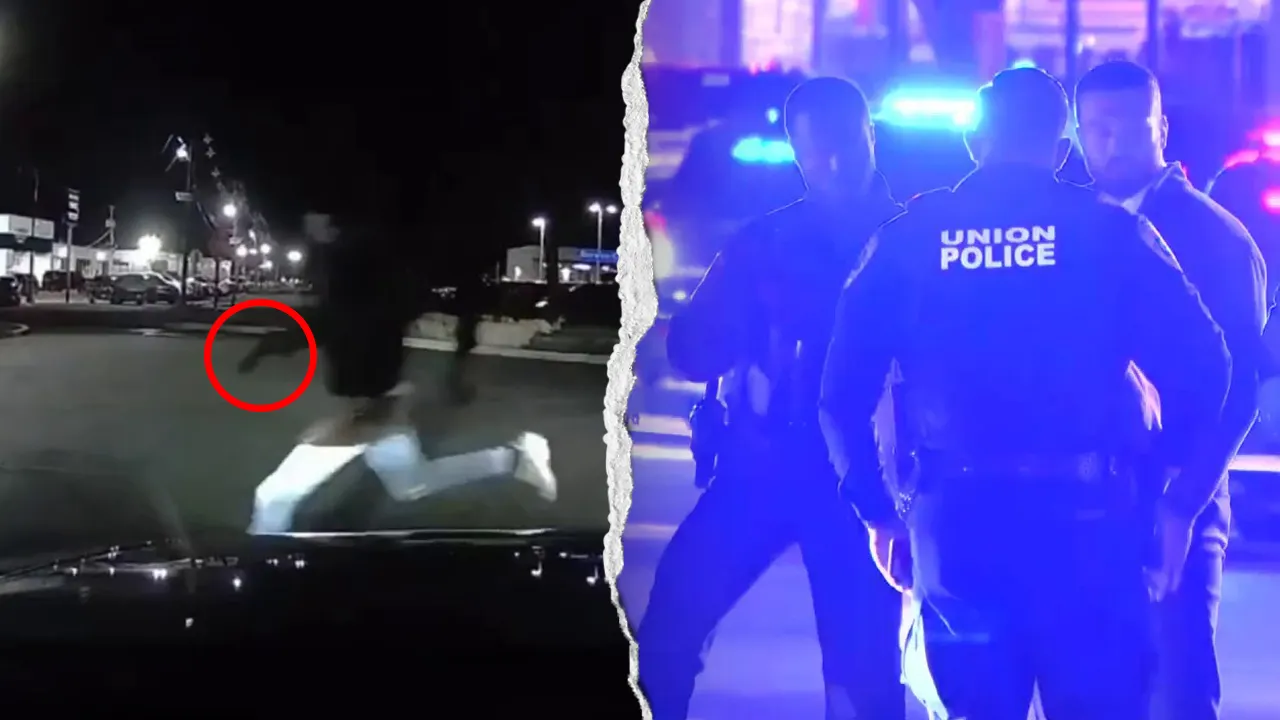
Delving deeper into the timeline of that fateful evening, we get a clearer picture from eyewitness accounts that paint a vivid, almost cinematic scene of pandemonium. According to a man who spoke to CBS New York, his girlfriend— one of the workers huddled behind the counter— recounted the horror in breathless detail: a group of men, armed and determined, barged into the restaurant, bypassing the front lines and unleashing a barrage of gunfire. It wasn’t a movie; it was real life, with the echo of shots ringing out as patrons scrambled for cover under tables or fled toward emergency exits. Dashcam footage, circulating online and viewed by millions, captures the raw terror—a shadowy figure sprinting away, seemingly clutching a weapon, blending into the night as if the streets swallowed the culprit whole. Imagine the adrenaline-fueled clarity of those moments: the crash of chairs tipping over, the cries of the wounded, and the sheer confusion of bystanders from the parking lot or adjoining businesses, unsure whether to rush in or call for help. Police arrived swiftly, their boots crunching on gravel as they secured the area, treating it like a battlefield scarred by internal strife. The busy stretch of Route 22, lined with strip malls and gas stations, became a hub of chaos, with officers canvassing the parking lot for clues, interviewing shaken employees, and cordoning off the building overnight. For the victims—seven in total— the experience must have been a blur of pain and disbelief. One man lost his life on the spot, his dreams ended abruptly, leaving a void in his family that words can’t fill. The six injured, treated for wounds that thankfully didn’t prove fatal, now bear physical scars and emotional burdens, from hospital beds wondering about the strangers who invaded their world. Was this customer-related? A workplace dispute? A grudge spilled over from outside lives? Authorities haven’t confirmed, but the targeted nature suggests premeditation, a chilling thought that makes us ponder the motives of the unseen suspects. Humanizing this means empathetically reconstructing those seconds: the worker whose heart raced as she ducked; the patron who shielded a child with their body; the bystander who later realized they were closer to danger than they thought. It’s a reminder that in our interconnected lives, violence in one corner reverberates outward, affecting strangers who become unwitting participants in tragedy. Communities like Union, with their melting pot of cultures, rely on places like Chick-fil-A as neutral ground—safe havens for interaction. Yet this incident exposes the potential for isolation and conflict within that very fabric, provato provocatively provoked some to question the undercurrents of societal tensions simmering beneath polite facades. As investigators sift through evidence, piecing together alibis from CCTV, phone records, and tip lines, we feel the urgency of their work, knowing that catching those responsible is key to restoring a sense of justice. It’s not just about arrests; it’s about healing a collective wound, ensuring that the echoes of that evening don’t haunt the community indefinitely. Families of the victims, likely gathering in living rooms filled with hushed conversations, embody the true victims here—the invisible agony of loss and lingering fear.
Turn your gaze to the victims themselves, and the human toll becomes even more intimate, unfolding in the stark corridors of local hospitals and the quiet reflections of homes. The one man pronounced dead at the scene—whose name has yet to be released as authorities respect the grieving process—was someone’s brother, son, or friend, perhaps a regular who frequented that Chick-fil-A for its predictability. His family now navigates the crushing reality of funeral arrangements, sympathizers flooding their doorstep with flowers and condolences, all while wrestling with the “why him” questions that plague the bereaved. Meanwhile, the six injured—adults with jobs, hobbies, and aspirations—are recovering from non-life-threatening wounds, but the trauma runs deeper. Gunshot injuries, even minor, leave lasting physical pains and psychological scars, from nightmares reliving the blasts to the paranoia of public spaces. One might wonder about their stories: the cashier who dreamed of college, now sidelined; the patron grabbing a late-night bite on their way home, now in therapy dealing with survivor’s guilt. In a county like Union, where tight-knit communities flourish, these individuals aren’t mere statistics—they’re anchors of local life, their absences felt acutely at church gatherings, neighborhood barbecues, or school events. Humanizing their plight involves imagining the weepy phone calls to siblings, the supportive hugs from coworkers, and the determination to return to normalcy, even as doubts linger. The prosecutor’s office emphasizes that while no immediate threat persists, the investigation plans to reveal connections—are the victims linked to the shooters through past disputes, or was this a broader statement of unrest? As Fox News Digital reaches out for more details, we can’t help but empathize with the officials too, under pressure to deliver justice amidst media scrutiny. Governor Mikie Sherrill’s statement on X adds a layer of compassion, promising support to first responders and expressing thoughts with the wounded and their loved ones. Sherrill, as a mother and public servant, likely connects personally with the family’s heartache, her words a balm in turbulent times. Yet, beneath the empathy, there’s a call for vigilance—what huddles such shadows in our suburban enclaves? Statistics show that targeted shootings like this often stem from personal vendettas or escalating conflicts, contrasting with random acts that devastate public spaces. For instance, recalling similar tragedies, like the Florida community shooting or the Minnesota mall incident, underscores a pattern: young lives disrupted, communities rallying. Humanizing means drawing parallels to our own lives—relating to the father sending reassuring texts to his child post-attack or the survivor clutching a lucky charm for comfort. It’s about fostering empathy across divided lines, prompting us to ask: how do we protect these everyday spaces from becoming stages for violence? As authorities encourage tips with rewards up to $10,000, the community rallies, proving that unity often emerges strongest in adversity. Ultimately, these victims’ stories remind us that resilience is human— a quiet strength born from shattering events, urging a collective healing to prevent such darkness from recurring.
Authorities’ statements provide a framework for understanding, yet they leave us yearning for closure in an ongoing saga of uncertainty. The Union County Prosecutor’s Office, in their preliminary assessment, insists this wasn’t random, a reassurance that suggests premeditated intent rather than senseless chaos. No arrests have been made, meaning the shooters—potentially a group, as described—remain at large, evading justice amid a busy county that offers countless hiding spots. Late Saturday into Sunday, investigators pored over the scene, cataloging evidence like shell casings and witness statements, while officers outside combed the parking lot for overlooked clues, their flashlights cutting through the darkness like beacons of hope. This active pursuit feels methodical, almost poetic in its dedication, as detectives like Edward Mack or Jennifer Smith field calls, piecing together a puzzle that could lead to indictments. Yet, the human aspect shines through in their tireless efforts: these are fathers and mothers in uniform, sacrificing family time to chase shadows, driven by a duty to safeguard neighbors they’ve sworn to protect. Governor Sherrill’s briefing underscores interagency cooperation, her voice on social media a testament to leadership’s empathy—a New Jersey native likely reflecting on malls or eateries darkened by past horrors. Humanizing the response means acknowledging the emotional weight on these responders: the fatigue from long hours, the frustration of dead ends, and the personal commitment to families they’ve never met. Without motive details, speculation fills the void—from workplace beefs to broader societal ills—and investigators reiterate the targeted nature, possibly implying individual connections among suspects and victims. Compare this to other referenced shootings—the Florida gated community’s multiple deaths or the Minnesota mall where juveniles were detained—and a pattern emerges: urban and suburban spaces turning perilous, triggering national debates on gun control and mental health. For instance, the Austin suspect’s social media rants highlight extremism’s role, a sobering contrast to this localized event. Public outcry grows, pressuring officials to share more, yet protocols protect the probe’s integrity. Anecdotally, community watches form overnight, residents sharing theories over coffee, embodying grassroots resilience. Humanizing invites us to empathize with the investigators’ burdens: sleepless nights reviewing footage, late calls to spouses begging patience. It’s a multidimensional effort, not just solving a crime but mending communal trust, proving that justice is a human endeavor woven from patience, persistence, and profound care.
In the broader tapestry of recent shootings across America—from Florida’s quarantined community massacre to Minnesota’s mall bloodbath—the New Jersey Chick-fil-A incident feels like a grim chapter in an escalating narrative of insecurity. Each event, tied by threads of violence and unresolved motives, humanizes the nationwide crisis, reminding us that such tragedies aren’t isolated; they’re reflective of deeper societal fractures. In Florida, a gated haven turned deadly battlefield, where multiple lives were claimed behind supposed walls of safety. In Minnesota, a bustling mall shattered by gunfire, leading to juvenile arrests and a manhunt for the suspected gunman. And here in Union, a fast-food stop along a major route, echoing the Austin attacker’s hateful online diatribes—anti-Christian, anti-Semitic, misogynistic ravings that preempted mass carnage. These parallels compel us to ask: what commonalities fuel such acts—grievances, mental strife, or easy access to weapons? Humanizing this means grappling with the personal stories behind the headlines: the Florida victims, perhaps retirees enjoying golden years, now mourned in community vigils. The Minnesota youths in custody, facing charges that could derail young lives. And in New Jersey, the seven affected, their individual trials interwoven into a larger fabric of loss. It’s not just statistics; it’s the collective heartbreak of a nation grappling with violence’s unpredictability. Empathetic voices online debate solutions—stricter gun laws, mental health initiatives, community dialogues—while families of the slain advocate for change. Imagine the children in Florida or Minnesota, processing trauma through art or counseling, their laughter now tinged with cautious pause. Or the New Jersey survivor, hesitant to return to route 22, rebuilding trust one cautious step at a time. These stories humanize public policy debates, urging us beyond outrage to action. Yet, amidst the despair, pockets of hope emerge: increased awareness, fundraising efforts, and tighter community bonds. National reckonings like these often catalyze reforms, from enhanced security in public spaces to preventive education. For those directly touched, the path to healing is long—therapy sessions, support groups, faith-driven rituals—yet it underscores humanity’s enduring capacity to rise. As we connect these dots, we realize the Chick-fil-A shooting isn’t merely local; it’s a mirror to America’s soul, challenging us to confront and counteract the forces that divide and destroy.
Finally, as the investigation marches forward, the community and beyond rally with a unified plea for information, transforming passive observers into active allies in the quest for justice and peace. Union County’s Crime Stoppers offer up to $10,000 for tips leading to convictions, a monetary incentive paired with a moral imperative to stand against silence. Contact numbers like Detective Mack’s or Sergeant’s Smith’s buzz with potential leads, while anonymous submissions via website or hotline empower the hesitant to share without fear. This call to action humanizes the process, inviting ordinary citizens—restaurant patrons turned vigilantes, or neighbors with overheard whispers—to bridge the gaps authorities can’t reach alone. Governor Sherrill’s gratitude toward first responders echoes sentiments felt across town, where barbecues for the families and fundraisers for the wounded signal resilience. Yet, amid the solidarity, there’s raw emotion: tears shed at candlelight vigils, prayers murmured in houses of worship, and reflections in personal journals capturing the uncharted grief. Humanizing this means envisioning the community’s heartbeat—the elderly couple donating to victim funds, the teacher discussing safety with students, or the coworker organizing shifts to support scarred colleagues. It’s a testament to collective empathy, where strangers bond over shared vulnerability, proving that even in shadows, light emanates from unity. In the end, the Chick-fil-A shooting, while devastating, ignites a spark for change, reminding us that humanity thrives on compassion, accountability, and unwavering support. As days pass, hopes for arrests grow, intertwined with dreams of prevention—safer routes, wiser laws, kinder dialogues. We, as a nation, must evolve from reacting to tragedies to proactively nurturing the safety we all deserve. For the victims and their families, the road ahead is arduous, but with communal embrace, healing begins—a human triumph over despair. And so, in New Jersey and beyond, we listen, learn, and lean on one another, forging paths toward a brighter, more guarded future. Fox News, in echoing this call, empowers voices to be heard, transforming passive news consumption into active civic engagement, one shared story at a time.