





Man Arrested for Attempted “Terrorist Attack” on Los Angeles Federal Building
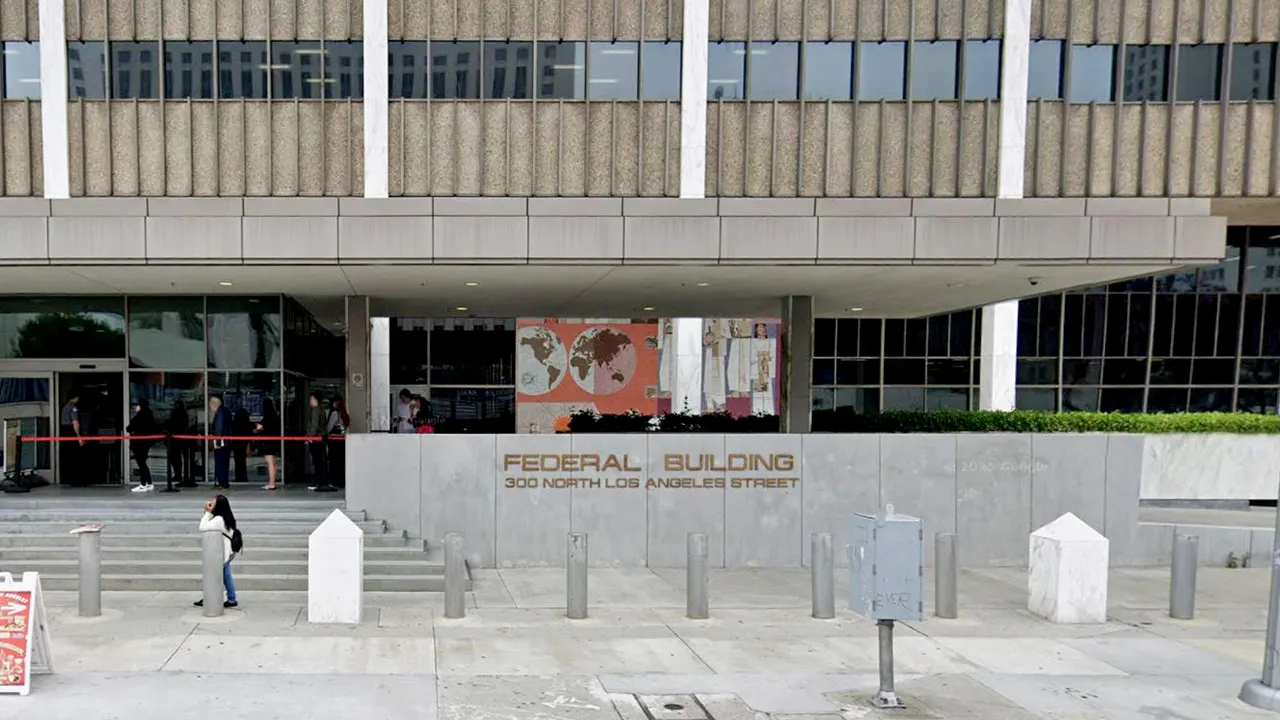
In a disturbing incident that highlights growing tensions over immigration enforcement, a Los Angeles man was taken into custody Monday after allegedly attempting to launch what he himself described as a “terrorist attack” on a downtown federal building. The suspect, whose identity has not been released, allegedly threw homemade Molotov cocktails at the building that houses several federal agencies, including Immigration and Customs Enforcement (ICE) and the U.S. Attorney’s office. This facility is known to be where many immigration proceedings take place, including the processing of undocumented immigrants. Fortunately, although the suspect attempted to detonate the incendiary devices, they failed to ignite properly, and no injuries were reported in the incident.
The man’s actions appear to have been motivated by deep-seated anger toward immigration enforcement policies. Following his arrest, he reportedly told federal agents they were “separating families” and explicitly stated, “this is a terrorist attack anyways,” adding, “I attacked your b—- a–.” The crude statements reveal the emotional intensity behind what investigators are treating as a politically motivated attack. Before targeting the federal building, authorities say the suspect intentionally set fire to his rented apartment, where Los Angeles Fire Department crews later determined an accelerant had been used, suggesting a premeditated and escalating series of actions.
The attack method was particularly concerning to law enforcement officials. According to investigators, the suspect threw one Molotov cocktail at an employee entrance door, which broke into pieces and showed signs of charring, indicating it had been lit. He then allegedly threw a second similar device through a public entrance where people were queuing for security screening. Each homemade incendiary device consisted of a breakable container with a wick, and testing revealed they contained either hand sanitizer or ethanol—substances capable of causing significant fire damage had they properly ignited. The suspect was found with additional similar devices in his possession when apprehended, suggesting he may have planned a more extensive attack.
This incident occurs against a backdrop of increasing tensions surrounding immigration enforcement in the United States. The federal building targeted in this attack serves as a processing center for many immigrants facing potential deportation, making it both practically and symbolically significant in the ongoing national debate about immigration policy. The suspect was scheduled to appear in court Tuesday afternoon, when formal charges were expected to be filed. While the specific charges weren’t detailed in initial reports, attacks on federal buildings typically carry serious federal penalties, especially when characterized as acts of domestic terrorism.
The Los Angeles attack follows a troubling pattern of escalating confrontations related to immigration enforcement agencies. Just days earlier, hundreds of anti-ICE protesters were recorded throwing trash cans and debris at officers near a government building in New York City, resulting in multiple arrests. Similar incidents have been reported elsewhere, including an attack on ICE facilities in Dallas identified as part of what some officials describe as a growing dangerous pattern of violence directed at the agency and its personnel. These events collectively point to increasing polarization around immigration enforcement activities.
The failed attack raises important questions about the security of federal buildings and the growing risk of politically motivated violence in the United States. While security measures prevented casualties in this instance, the incident demonstrates how heightened political rhetoric around immigration can potentially inspire individuals to attempt violent actions. As the case moves through the justice system, it will likely draw attention to the broader challenges of protecting government facilities while addressing the underlying political tensions that contribute to such confrontations. The incident serves as a stark reminder of how policy disagreements, particularly on emotionally charged issues like family separation and deportation, can sometimes escalate beyond peaceful protest into dangerous acts that threaten public safety.