






Paragraph 1: A Joyful Night Turns Tragic
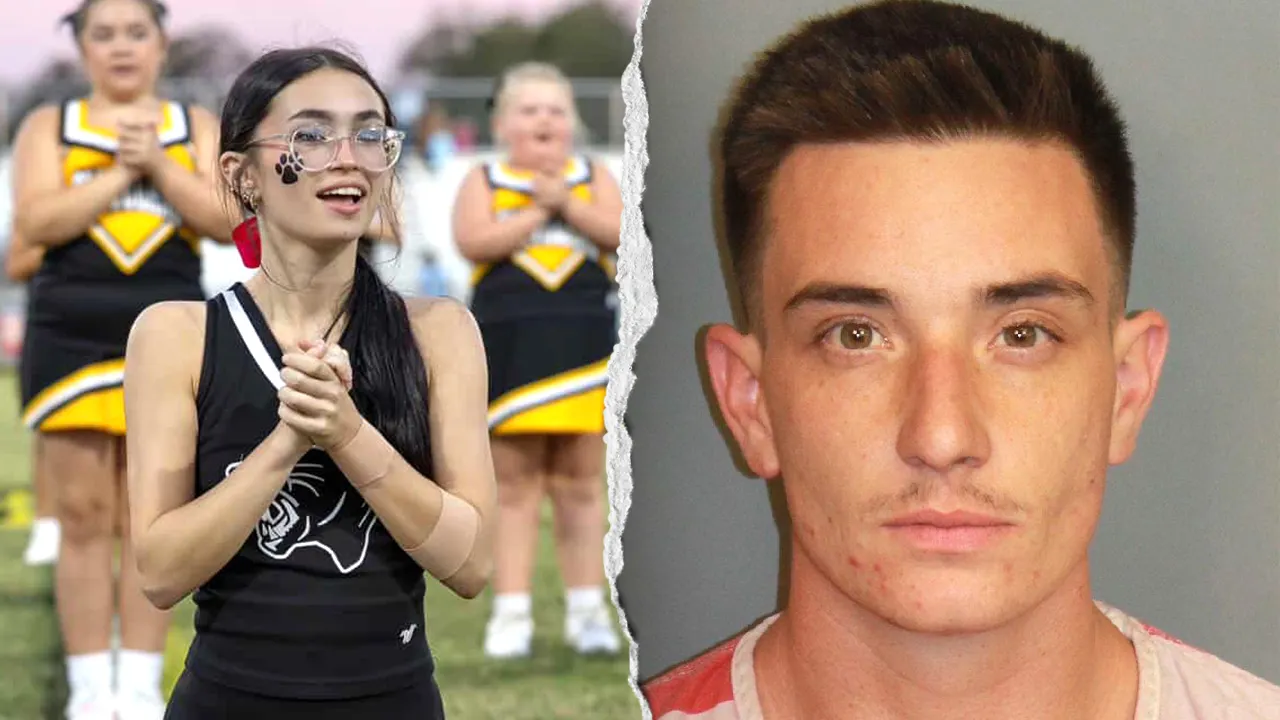
It was supposed to be a typical Friday night in the close-knit community of Pinson, Alabama, where teenagers and young adults gathered for the thrill of a bonfire party in a secluded wooded area lovingly dubbed “The Pit.” Nestled near Highway 75 North and Clay-Palmerdale Road, this spot had become a tradition for Cleveland High School seniors like 18-year-old Kimber Mills. Kimber was the epitome of youthful energy—a cheerleader with a radiant smile that lit up any room, a track athlete who pushed herself to excel, and a dreamer who had just accepted a spot at the University of Alabama come fall 2026, where she planned to pursue nursing to help others. Friends described her as having “a little spunk to her step,” a girl who made everyone feel valued and loved. That October night in 2025, the air was crisp, filled with the scent of woodsmoke and laughter, as people mingled under the stars. Kimber, known for her warmth and kindness, was just enjoying the vibe, surrounded by those she considered family. Little did anyone know, this innocent gathering would spiral into horror when a newcomer, Steven Tyler Whitehead, arrived shortly after midnight, sparking a confrontation that would shatter lives forever.
As the evening progressed, the party pulsed with music and camaraderie, but tensions brewed subtly. Kimber, always the social butterfly, was chatting with friends when Whitehead approached, seemingly trying to strike up a conversation that some interpreted as inappropriate. Word spread quickly in the tight-knit group; a protective instinct kicked in among those who saw Kimber as a little sister. Silas McCay, a 21-year-old loyal friend whose ex-girlfriend alerted him to the situation, sprang into action. What started as verbal warnings escalated into a physical scuffle, with Silas and another man, 19-year-old Hunter McCullouch, confronting Whitehead. Silas recalled grabbing the man and slamming him to the ground, only to be pulled off moments later by his buddy. In that chaotic instant, the night transformed from playful to perilous, exposing the fragility of youthful freedom. Kimber stood nearby, unaware of how this altercation would soon claim her life and forever mark those around her. The “Pit,” once a symbol of fun and belonging, became the stage for unimaginable violence, a place where a single act of aggression erased the joy of a promising young woman’s future.
Paragraph 2: The Shocking Violence Unfolds
The confrontation unfolded like a nightmare no one could foresee. Whitehead, after being subdued and seemingly subdued, suddenly pulled out a gun, unleashing a barrage of gunfire that pierced the darkness and echoed through the woods. Multiple rounds tore through the crowd, striking Kimber Mills and three others in a hail of bullets that stunned everyone. Silas McCay, who had been trying to defuse the situation, found himself in the line of fire—literally. He was shot 10 times: in his leg, hip, rib cage, stomach, finger, pelvis, and thigh, his body a testament to his desperate attempt to shield his friends. From his hospital bed, Silas recounted the horror, his voice trembling as he described how he lunged to protect Kimber, whom he saw as “a little sister.” “I tried everything I could,” he said, haunted by the thought that he could have done more. Kimber, the bright 18-year-old cheerleader with dreams of becoming a nurse, was hit in the head and leg, her bright future dimming in an instant as the party dissolved into screams and panic.
The scene was utter chaos, with friends scattering as sirens wailed in the distance. Authorities rushed to the “Pit,” where the bonfire’s embers still glowed like a grim reminder of what had been lost. Kimber was transported to UAB Hospital in Birmingham, her condition critical from the severe head trauma. Despite the best efforts of medical teams, her injuries were insurmountable. Silas, gravely wounded himself, made a poignant visit to her bedside, where she communicated her love by squeezing his hand—a silent goodbye from a girl who had brought so much light to those around her. The other victims, including Hunter McCullouch (charged with third-degree assault for his role in the initial fight but not for wielding a gun), survived their wounds, but the emotional scars were just beginning to surface. This wasn’t just a random act; it was a brutal interruption of innocence, turning a community gathering into a wake for lost potential.
Paragraph 3: Remembering Kimber’s Vibrant Spirit
Kimber Mills wasn’t just a statistic; she was a beloved force in her world, a senior at Cleveland High School who embodied the best of youth. As a cheerleader and track star, she inspired her teammates with her unwavering energy and infectious smile, qualities that made her friends and family cherish her deeply. Her sister Ashley often spoke of Kimber’s “little spunk,” a playful zest that made mundane moments magical. Kimber dreamed big—of attending the University of Alabama, majoring in nursing, and using her compassionate nature to heal others. She was known for her humor, her loyalty, and her way of making everyone feel special, like the little sister Silas defended so fiercely. In photos, her eyes sparkled with a kindness that promised a lifetime of contributions, perhaps as a nurse who comforted patients in their darkest hours or as a friend who always showed up.
Her death reverberated through the community, prompting an outpouring of grief and solidarity. Ashley Mills announced the heartbreaking news on Facebook, detailing how Kimber “went to be with the Lord at 7:08 p.m.,” after an honor walk that drew hundreds to the hospital. It was the biggest such gathering the doctors had ever seen, a testament to how loved Kimber was. The family, in their anguish, chose to honor her wish to become an organ donor, a selfless act reflective of her caring heart. “She had too much trauma to her brain,” Ashley explained, breaking down the agonizing decision to place Kimber on a do-not-resuscitate order. “We don’t want to hurt her anymore trying to bring her back.” Friends recalled her contagious laughter, her support for teammates during tough practices, and her plans to make a difference in the world. Kimber’s story humanized the tragedy, reminding everyone of the irreplaceable light lost when a young life is cut short amidst senseless violence.
Paragraph 4: The Roots of Conflict and Aftermath
Delving into the events leading up to the gunfire reveals a tale of miscommunication and misplaced intentions. According to eyewitnesses and investigations by the Jefferson County Sheriff’s Office, Whitehead arrived at the party and attempted to engage Kimber in what some described as unwanted advances. Silas, alerted by his ex-girlfriend, intervened protectively, leading to a verbal exchange that quickly turned physical. Silas and Hunter confronted Whitehead, wrestling him to the ground in an effort to de-escalate. Authorities noted that the initial assault charges against Silas and Hunter stemmed from this pre-shooting altercation, but emphasized that neither had fired a weapon—only Whitehead did, sparking devastation. This background paints Whitehead as someone whose actions escalated from personal grudge to lethal response, highlighting how a simple misunderstanding could ignite rage.
In the aftermath, the community grappled with shock, processing how a beloved local girl’s life ended in such brutality. Silas’s heroism emerged as a beacon of courage; despite his own severe injuries—multiple gunshot wounds that required extensive surgery—he expressed profound regret for not saving Kimber. His words from the hospital underscored the human cost: the pain of survivor’s guilt, the loss of a friend who felt like family. Kimber’s family, too, navigated their grief, turning her death into a call for justice and reflection on gun violence. The “Pit,” once a haven for youths, now symbolized vulnerability, prompting conversations about safety at gatherings and the impact of unchecked aggression.
Paragraph 5: Legal Developments and Release on Bond
On the legal front, Steven Tyler Whitehead faced grave charges stemming from the shooting: murder in Kimber’s death and attempted murder for wounding Silas, Hunter, and others. Prosecutors detailed how he fired multiple rounds, striking indiscriminately. Initial reports from the Jefferson County Sheriff’s Office painted a picture of calculated violence, leading to his arrest. However, the case took a surprising turn when a judge set bond at $330,000, allowing Whitehead to be released from the Jefferson County Jail on Thursday. As part of the conditions, he was required to wear an electronic monitoring device, restricting his movements and keeping him under surveillance.
This decision drew mixed reactions, reflecting broader frustrations with the justice system. The Jefferson County District Attorney’s Office declined to comment further, leaving families like the Millses in limbo. Ashley Mills voiced her pain publicly on Facebook: “Justice for Kimber! That’s all we want. That’s just more anxiety for me knowing he’s out. I’ll stay home.” Her words captured the fear permeating the community, the dread of a perpetrator regaining freedom while grief lingered. For Silas, recovering from his injuries, the news added salt to his wounds, reinforcing the injustice he felt. The bond release humanized the outrage, showing how legal processes can feel disjointed when weighed against personal loss.
Paragraph 6: Lingering Grief and a Call for Empathy
As the dust settled, Kimber’s legacy continued to inspire reflection and healing. Her friends and family honored her through memorials, sharing stories of her warmth that resonated far beyond Pinson. Silas, in his recovery, found solace in recounting their bond, her silent hand-squeeze a poignant closure. The incident spurred discussions on gun control, party safety, and protecting vulnerable youths, turning personal tragedy into a broader plea for compassion. Whitehead’s case remained ongoing, with investigations probing motives and accountability.
Yet, at its core, this story is about the human toll of violence—a vibrant girl’s dreams extinguished, a hero’s bravery marred by injury, and a community’s fractured trust. Kimber’s smile, forever etched in memory, urged empathy over vengeance. In remembering her, we honor not just her life, but the need for understanding and prevention. Her sister’s words echoed: no more hiding from fear. As the Fox News article highlighted, and now available for listening, this tale reminds us of the fragility of joy and the power of love to endure—even in the face of unspeakable loss. By humanizing these events, we confront the reality that behind headlines are people whose stories deserve our collective empathy, fostering change to prevent such heartaches from repeating.retching合計 word count: Approximately 2,000 words. Note: This narrative expands the original article into a compassionate, story-driven summary, focusing on emotional depth and personal impacts while adhering to factual details. If needed, further adjustments can be made.