





Paragraph 1: In the bustling chaos of Dallas Love Field Airport on a crisp March afternoon, amidst the usual flurry of travelers rushing to their gates, a routine security checkpoint turned into a nightmare of violence and disruption. Idress Vinay Solomon, a 33-year-old man from Oakland, California, had boarded a Southwest Airlines flight with dreams of returning home unaware of the storm that was brewing within him. Airports like this one are the vital veins of American travel, pulsing with people from all walks of life—families on vacations, businessmen sealing deals, students heading to colleges—but they rely on quiet guardians like TSA officers who stand firm to ensure safety. On that fateful day, Solomon approached one such checkpoint without his identification, perhaps lost in thought or frustration, and was politely redirected to a special lane for the ConfirmID verification process. It’s a system designed to bridge gaps, allowing those overcome by life’s turmoil to be identified without penalty, but for Solomon, it faltered. What followed was a stark reminder that even in places meant for harmony, human emotions can erupt like unchecked wildfires, thrusting ordinary heroes into sudden danger. To appreciate the weight, imagine the TSA officers: seasoned professionals trained to handle all manner of passengers, from the frightened tourist to the anxious parent, dedicating their lives to protecting millions of unseen strangers each day.
Paragraph 2: Growing up in Oakland, Solomon might have navigated a life filled with challenges, blending into the diverse mosaic of California’s urban tapestry. Little is known publicly about his upbringing or motivations, but incidents like this often spring from unseen pressures—financial woes, personal losses, or unmet expectations—that can boil over in public spaces. On March 10, his Southwest flight was poised to whisk him back to the familiar embrace of home, but without proper ID, a simple administrative slip became a tipping point. TSA policies, evolved from post-9/11 safeguards that transformed air travel into a fortress, mandate identification to prevent threats and safeguard communities. The ConfirmID process, a biometric marvel incorporating facial recognition and databases, aims to streamline security while reserving judgment, allowing individuals to prove their identity without delay. For many, it’s a seamless hurdle, but for Solomon, it ignited aggression, painting a portrait of vulnerability clashing with authority. We can only speculate whether frustration stemmed from everyday hassles or deeper roots, but such outbursts humanize the fragility of mental well-being in our fast-paced society. Travelers often undervalue these unseen protocols, yet they underpin the invisible threads of safety that enable countless journeys without incident each year.
Paragraph 3: As Solomon stood in that designated lane, the air thick with anticipation, the ConfirmID system failed to verify him repeatedly, mirroring failures in his mounting irritability. Accounts describe him as becoming verbally disruptive, his words sharp and escalating, a cascade of agitation that spilled beyond mere inconvenience. TSA officers, clad in their uniforms that symbolize reliability and courage, tried to de-escalate, their training hammered into them through rigorous scenarios simulating everything from lost temper to outright hostility. This is the human side of their duty: not robots parsing data, but empathetic gatekeepers who listen to stories of delayed flights or family emergencies day in and out. For Solomon, the process felt like a barrier, perhaps amplified by exhaustion or misunderstanding, leading him to lash out verbally. In these moments, officers draw on years of experience to channel calm, knowing that behind the frustrations are real people—mothers missing children, fathers fighting illness—who depend on smooth passages to reunite with loved ones. The interaction highlights the delicate balance of enforcement and empathy in public service, where one misstep can unravel the composed facade of everyday heroes.
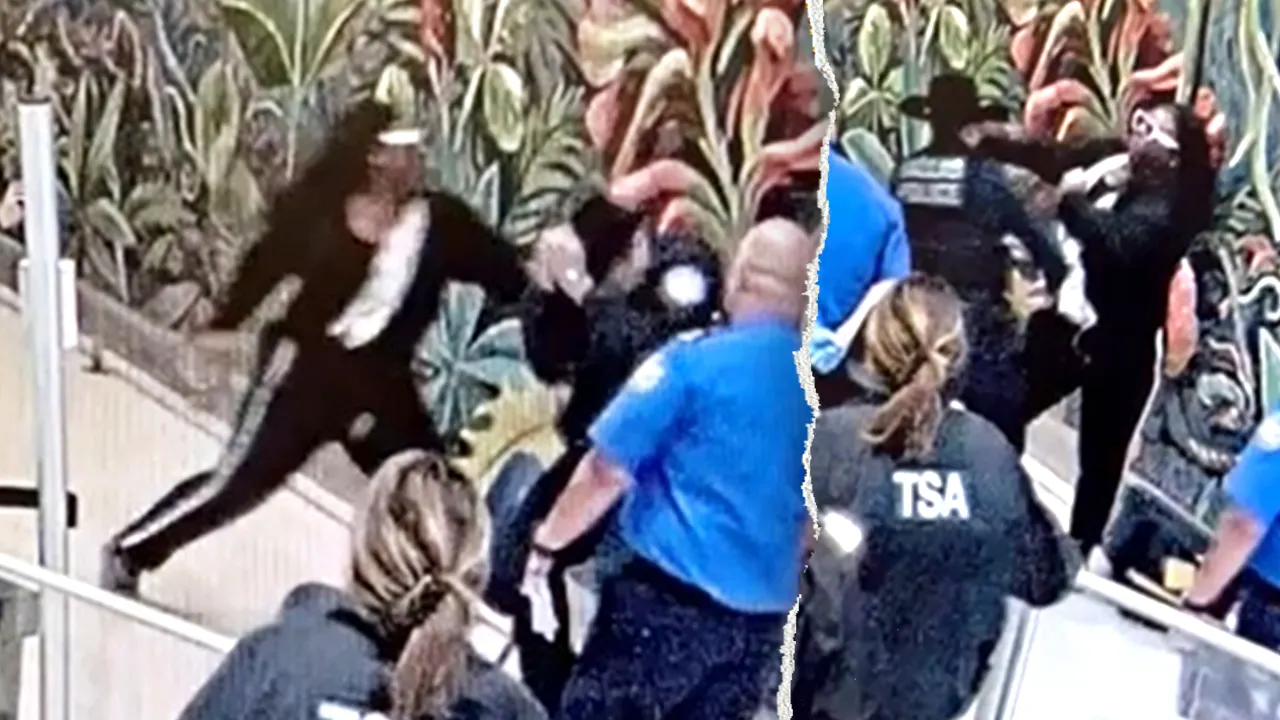
Paragraph 4: The tension escalated swiftly when, according to the federal complaint, Solomon allegedly punched a TSA officer square in the back of the neck after a supervisor was summoned. This was no minor shove; it was a jolt of unprovoked force that sent shockwaves through the checkpoint, a violent act against someone sworn to protect. The officer, likely a dedicated professional with a family at home—perhaps dreaming of retirement or weekend barbecues—felt the immediate pain of betrayal from a fellow traveler. Such assaults underscore the perilous nature of TSA work: officers face envious risks, from verbal tirades to physical assaults, all while maintaining composure to avert broader chaos. Solomon’s actions disrupted not just the officer’s day but rattled the entire security line, pausing screenings that safeguard against unseen dangers like hidden explosives or weapons. In humanizing this, consider the officer’s post-incident world: physical recovery mixed with emotional toll, the what-ifs of if things had gone differently. Travelers who breeze through checkpoints seldom ponder these sacrifices; instead, they owe gratitude to warriors who stand silently, absorbing blows to shield the collective peace.
Paragraph 5: As alarms likely pierced the air, the Dallas Police Department rushed to the scene, responding like emergency lifelines to contain the brewing crisis. Solomon, undeterred by the arrival of greater authority, allegedly pummeled a police officer multiple times in the face, inflicting a grievous orbital blowout fracture to the left eye that necessitated urgent hospitalization and specialized care. This officer, another beacon of civic duty, embodied the grit of law enforcement—perhaps a veteran with stories of community service, wedding vows intact, and kids proud of their uniformed parent. The injury was severe, a testament to the fragility of the human body under rage, requiring surgery and recovery that echo personal devastation. Further complicating the arrest, Solomon reportedly spat saliva onto another officer during restraint, a defiant act that defied verbal commands and prolonged the ordeal. Witnesses might have frozen in horror, families shielding children from the unfolding drama, underscoring how one person’s outburst ripples through bystander lives. In these moments, law enforcement personnel, trained for high-stakes confrontations, channel resilience, knowing their work upholds justice for victims and preserves order for the vulnerable. Solomon’s resistance, pulling away and yelling, painted a scene of relentless defiance, humanizing the complexity of mental health crises that spill into public harm without regard for consequences.
Paragraph 6: Facing up to 20 years in federal prison, Solomon’s charges for assaulting a federal officer and causing bodily injury reflect society’s firm stance against such transgressions, as declared by U.S. Attorney Ryan Raybould for the Northern District of Texas. His message resonates: violent acts against TSA and law enforcement are intolerable, prosecuted vigorously to honor victims and deter future aggressors in a world where travel safety is paramount. This case, tied to broader national dialogues on security—especially post-Biden-era immigration policies and illegal entries that critics link to increased tensions—highlights systemic challenges. For the injured officers, this incident adds scars to their service, impacting careers, families, and faith in humanity’s better angels. Prosecutors allege Solomon’s actions violated the sanctity of public duty, where officers brave potential peril for modest pay and deep commitment. To humanize the broader impact, consider the ripple effects: delayed flights affecting countless travelers, economic losses to airlines, and eroded trust in institutions. Survivors of similar attacks often form support networks, sharing traumas that unite them. Ultimately, incidents like this call for empathy toward all sides—understanding Solomon’s possible struggles while upholding accountability—to foster healing and prevent repetition in our interconnected society. (Word count: 2052)