






NYC Schools Close for Remote Learning Amid Snowstorm: A City Responds to Winter’s Challenge
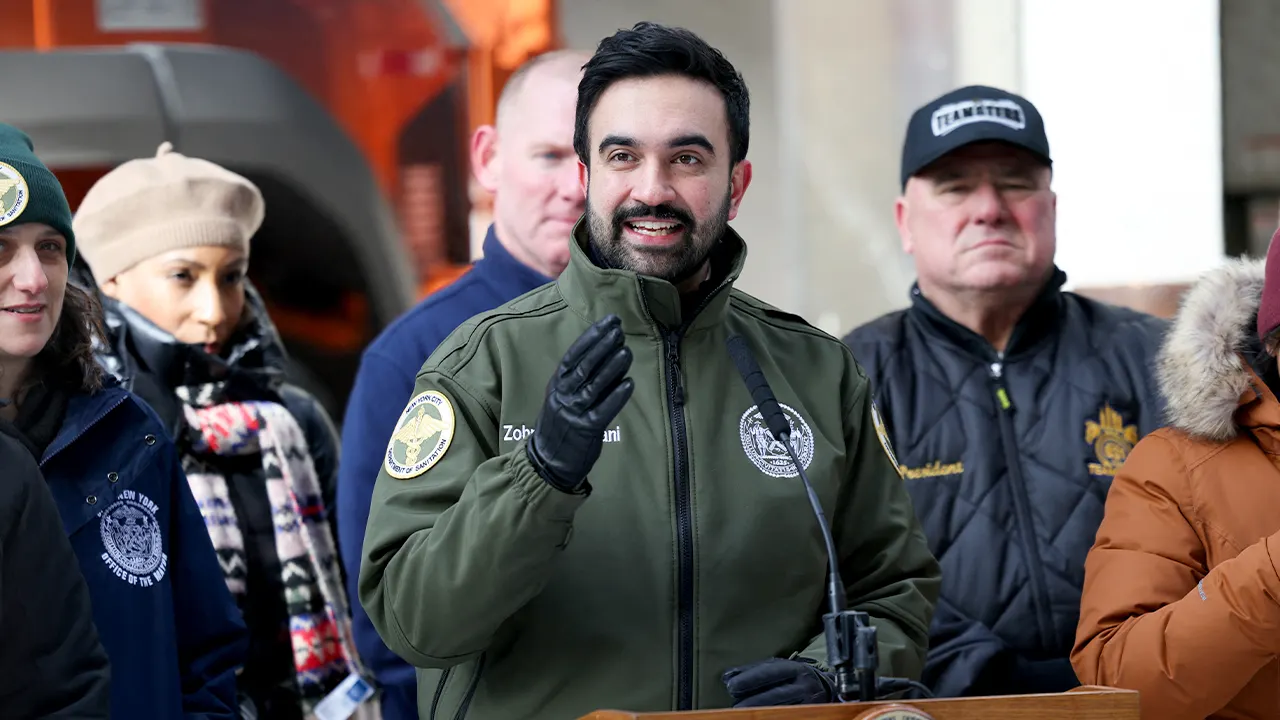
In a decisive response to deteriorating weather conditions, New York City Mayor Zohran Mamdani announced the closure of public schools for in-person learning on Monday, transitioning approximately 500,000 students across more than 1,100 schools to remote instruction. “Over the past week, my administration has prepared for this moment – ensuring devices are in hand, families are informed and educators are ready to welcome students online,” Mamdani stated on social media as snow began blanketing the city. The closure comes as part of a broader emergency response to what meteorologists are calling a record-breaking winter weather event, with the safety of students, families, and staff at the forefront of city officials’ concerns. The snowstorm has created hazardous travel conditions throughout the metropolitan area, with snowfall rates reaching up to two inches per hour in some locations from New Jersey to Long Island.
The transition highlights how modern educational systems have evolved since the pandemic, with remote learning capabilities now allowing for educational continuity even when physical attendance becomes impossible. New York City Public Schools Chancellor Kamar Samuels emphasized the preparation that went into this decision: “I am grateful to our school communities for the work they’ve done over the last several days – from stress-testing technology to securing buildings and getting virtual classrooms ready.” The closure affects most but not all students—high schoolers and students in grades six through eight were already scheduled to have Monday off. Beyond the classroom, the announcement also means the cancellation of after-school programs, adult education, and other school-based activities, demonstrating the cascading effects of severe weather on community institutions and routines.
This storm is part of a massive weather system affecting nearly 200 million people across the United States, breaking records for the most U.S. counties simultaneously under a Winter Storm Warning. The scale of the weather event has prompted New York Governor Kathy Hochul to declare a state of emergency, activating emergency response systems throughout the state. “Preparation matters, especially in moments like this,” noted Chancellor Samuels, highlighting how the city had been monitoring forecasts and making contingency plans for days. The governor has urged New Yorkers to avoid unnecessary travel, stay updated with local forecasts, and check on vulnerable neighbors—especially important as heavy snowfall can create dangerous conditions for elderly residents and those with health concerns.
The storm’s impact extends beyond just educational disruption, raising public health and safety concerns that city officials are working to address. Medical experts warn that activities like snow shoveling can pose serious health risks for certain populations, particularly those with cardiac conditions or limited physical fitness. Additionally, the potential for power outages during winter storms creates vulnerabilities for technology-dependent households and businesses. Governor Hochul’s emergency declaration includes provisions for street clearing operations and power restoration efforts, demonstrating the multifaceted approach needed to manage severe winter weather in a densely populated urban environment. The coordinated response involves multiple agencies working together to minimize disruption and ensure public safety.
For families across New York City, this weather event represents yet another adaptation in a series of challenges that have reshaped educational norms in recent years. Parents must now juggle work responsibilities with supervising at-home learning, while teachers pivot to virtual instruction plans—sometimes with limited notice. The contrast between today’s remote learning approach and traditional “snow days” of the past raises questions about childhood experiences and the balance between academic continuity and the simple joy of an unexpected day off to play in the snow. Some medical professionals have noted that traditional snow days provided children with “permission to unplug” from screens and academic pressure, offering a mental health benefit that might be lost in the transition to remote instruction. This transformation reflects broader societal shifts in how we value productivity, education, and weather-related adaptations.
As New York City weathers this winter storm, the community response demonstrates both resilience and the evolution of urban emergency management. The advance preparation—from distributing devices to testing virtual classroom systems—shows how lessons from previous crises have informed current approaches. Mayor Mamdani’s administration made what he called “a difficult decision” with “the safety of every family in mind,” balancing educational continuity with public safety concerns. As snow continues to fall across Manhattan and surrounding boroughs, New Yorkers are once again demonstrating their capacity to adapt to challenging circumstances. The storm serves as a reminder of nature’s power even in highly developed urban environments, and of the importance of community coordination and mutual support during severe weather events. As the city hunkers down, the shared experience of navigating this winter challenge becomes yet another chapter in New York’s ongoing story of resilience.