






Crime in America: Mixed Progress Across the Nation
In a significant development for public safety across the United States, violent crime declined nationwide during the first nine months of 2025, according to a new survey from the Major Cities Chiefs Association (MCCA). The comprehensive data shows promising overall trends, with reductions in all four major violent crime categories tracked by the association: homicides, sexual assaults, robberies, and aggravated assaults. Nationwide, homicides dropped from 5,126 in 2024 to 4,143 in 2025 during the January-September reporting period—a nearly 20% reduction that signals substantial improvement in public safety. Similarly, reports of rape decreased from 21,728 to 20,407, robberies fell significantly from 81,860 to 66,501, and aggravated assaults declined from 216,466 to 194,804. These nationwide improvements represent a welcome reversal of the crime surge that many communities experienced in recent years, though the MCCA cautions that these preliminary figures are based on voluntary reporting from participating law enforcement agencies.
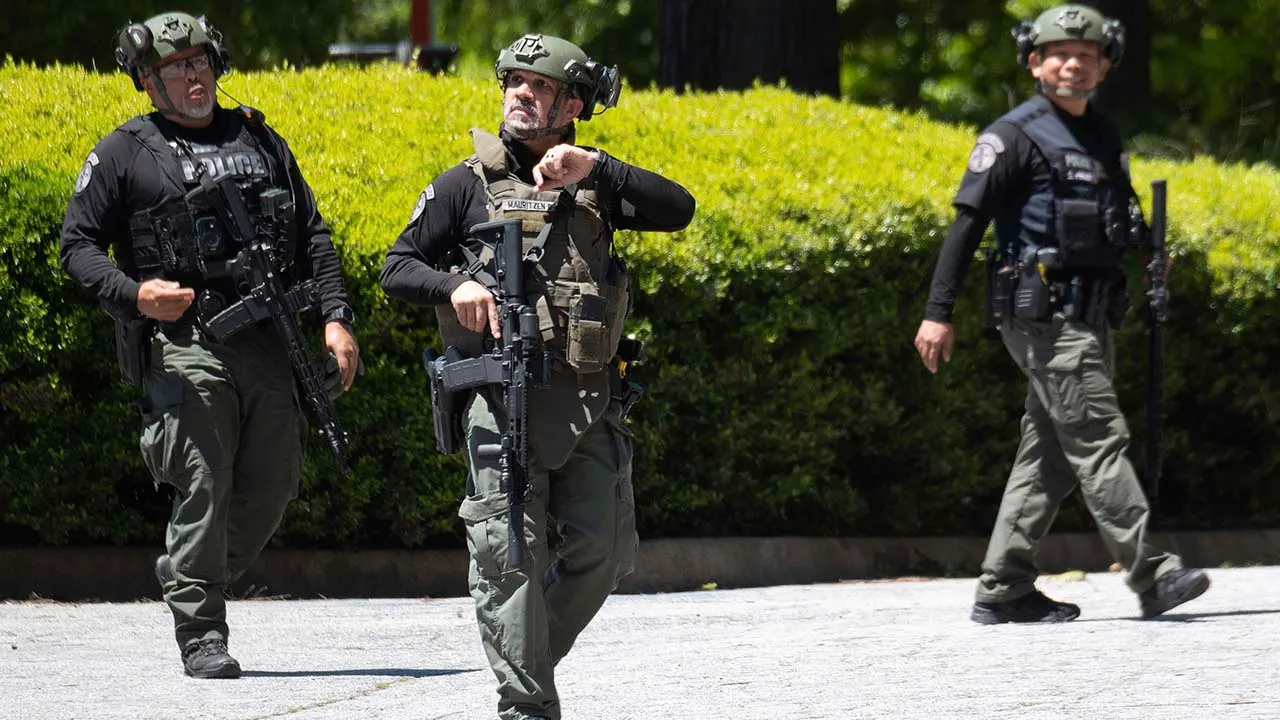
Despite the encouraging national picture, several cities are moving in the opposite direction, experiencing troubling increases in violent crime that contradict the broader positive trends. Omaha, Nebraska stands out as particularly concerning, with increases reported across all four violent crime categories. Atlanta, Georgia similarly bucked the national trend with year-over-year increases in sexual assault, robbery, and aggravated assault. Columbus, Ohio saw rises in robbery and aggravated assault cases, while Los Angeles County reported more rapes and aggravated assaults than the previous year. These contrasting local realities highlight the complex and geographically varied nature of America’s crime challenges, suggesting that while national policies may be showing positive results in many regions, local factors continue to drive crime in specific communities.
The survey reveals a patchwork of safety improvements and challenges across America’s urban centers. Several other cities reported increases in specific crime categories while seeing improvements in others. Tampa, Florida experienced rises in both rape and robbery, while Suffolk County in New York saw increases in homicides and robberies. Wichita, Kansas reported more homicides and sexual assaults, Pittsburgh witnessed increases in rape and aggravated assault, and both Denver and Philadelphia recorded rises in sexual assault cases. These mixed results demonstrate that even as the country makes progress overall, individual communities face distinct public safety challenges that may require tailored approaches rather than one-size-fits-all solutions.
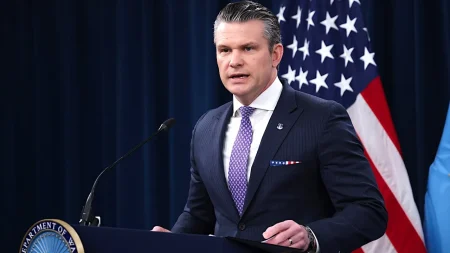
The Trump administration has made combating violent crime a central focus of its domestic policy, taking credit for the nationwide improvements while intensifying federal involvement in troubled areas. The President’s approach has included deploying federal resources to assist local law enforcement in several cities experiencing persistent crime problems. Most notably, the administration sent National Guard troops to Washington, D.C. earlier this year to support local police in crime reduction efforts. Similar federal interventions are being considered for other cities with elevated crime rates, as the administration pursues an aggressive stance on public safety. This approach represents a significant federal role in what has traditionally been primarily a local responsibility, raising important questions about the proper balance between federal, state, and local authority in addressing crime.
The MCCA survey arrives at a time of heightened national attention to public safety issues, with crime reduction emerging as a top priority for many Americans. The mixed results—overall improvement nationally coupled with troubling increases in certain localities—illustrate the complex nature of crime trends and the challenge of developing effective public safety strategies. Political leaders across the spectrum have increasingly focused on crime reduction, with even governors from traditionally progressive states implementing stricter enforcement measures. This convergence suggests a growing bipartisan recognition that public safety concerns must be addressed directly, though significant disagreements remain about the most effective and appropriate methods for doing so.
As America continues to navigate these complex public safety challenges, the divergent experiences of different communities highlight both progress and persistent problems. The nationwide improvements offer hope that effective strategies can reduce violent crime, while the contrary trends in certain cities remind us that success is neither automatic nor universal. Moving forward, policymakers at all levels face the difficult task of building on positive nationwide trends while developing targeted solutions for communities still experiencing rising violence. The ultimate measure of success will not be national statistics alone, but whether all Americans—regardless of where they live—can enjoy communities that are safe from the threat of violent crime. This remains an unfinished project, with both encouraging signs and sobering reminders of the work that remains to be done.